The wrong vehicle shows its limits fast in Iceland. You feel it in the wind when opening a door, on gravel when the road turns rough, and at the campground when you realize bigger does not always mean easier. If you are looking for a small camper for Iceland, the best choice is usually not the biggest van you can afford. It is the setup that fits Iceland’s roads, weather, and the way you actually want to travel.
For a lot of travelers, that means thinking smaller and smarter. A compact 4×4 camper or rooftop tent vehicle can give you more flexibility than a large motorhome, especially if your plan includes remote areas, narrow roads, simple campsite stops, and a route that may change with the forecast.
Why a small camper for Iceland makes sense
Iceland is not a place where size automatically equals comfort. Large campervans can feel appealing when you are comparing photos online, but they come with trade-offs. They are bulkier in wind, more limited on rougher roads, and often cost more in both rental price and fuel.
A small camper for Iceland is easier to handle in changing conditions. That matters when you are driving long distances, parking in small towns, or dealing with sudden weather shifts. You spend less time worrying about the vehicle and more time getting where you want to go.
There is also the route question. If you want the freedom to head toward the Highlands or drive approved F-roads where conditions allow, vehicle type matters more than interior standing room. Many larger campers are not built for that kind of access. A compact 4×4 setup is often the more useful tool for real Iceland travel.
What actually matters more than size
The better question is not, How small can you go? It is, What do you need the vehicle to do well?
In Iceland, the basics are simple. You need something reliable in wind and variable weather. You need enough sleeping space to rest well. You need room for your gear without turning the cabin into a mess. And if your route includes rough roads, you need ground clearance and 4×4 capability more than extra cabinets.
That is why many travelers do better with a practical setup instead of a traditional campervan. Sleep-in-the-back vehicles and rooftop tent 4x4s keep things simple. They combine transport and accommodation without adding the weight and limitations of a larger camper body.
If you are a couple or solo traveler, a compact camper is often the sweet spot. You get mobility, lower costs, and a setup that is easier to live with day to day.
Small camper for Iceland: the main options
There is no single perfect answer for every traveler, but most small camper choices in Iceland fall into a few clear categories.
Compact campervan
This is the option many first-time visitors picture first. You get an enclosed sleeping area and a familiar camper format. For Ring Road travel in summer, that can work well.
The downside is that not every compact campervan is suited to rougher roads, and many are still only two-wheel drive. If your trip is mostly paved roads, popular south coast stops, and established campgrounds, that may be enough. If you want more route freedom, it can feel restrictive.
Sleep-in-the-back 4×4
This option is practical in the best way. You have a real 4×4 vehicle with a sleeping setup built into the back. It is compact, easier to drive than a full campervan, and much better matched to Iceland’s mixed road conditions.
It is not luxury travel. Space is tighter, and you need to pack with some discipline. But for travelers who care more about flexibility than extra interior height, it is one of the smartest ways to explore the country.
Rooftop tent 4×4
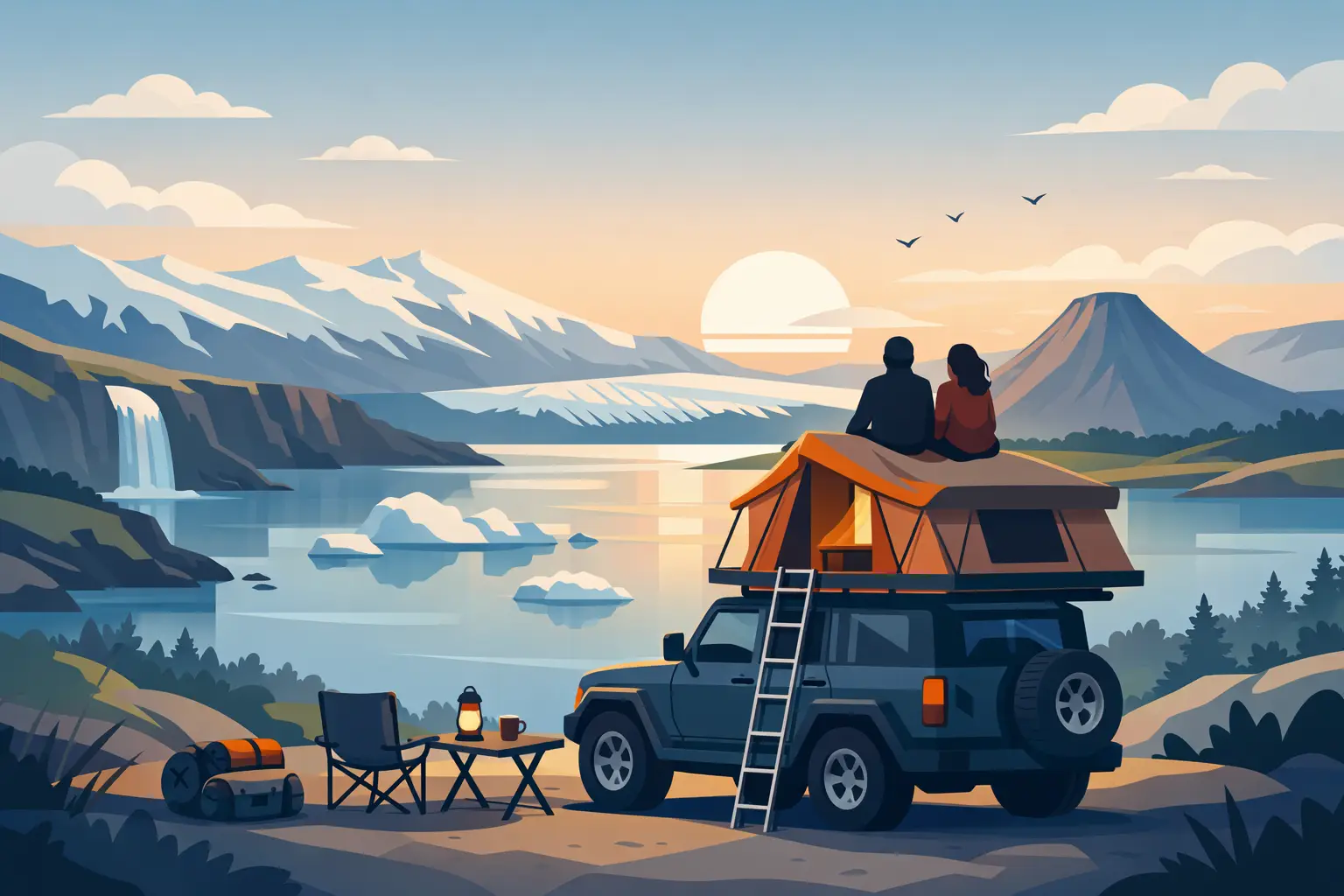
A rooftop tent setup gives you strong road capability with a separate sleeping space above the vehicle. It works especially well in summer and for travelers who like camping as part of the experience, not something to tolerate.
The trade-off is weather exposure. A good rooftop tent is comfortable and quick to set up, but it is still more outdoor-focused than sleeping inside the vehicle. For some people, that is part of the appeal. For others, especially in shoulder season, a sleep-in-the-back option may feel simpler.
The road conditions change the decision
A small camper for Iceland should be chosen around your route, not just your budget.
If you are staying on the Ring Road and visiting the most common sites, you have more options. A standard compact camper may be enough. But if your itinerary includes gravel detours, mountain roads, or Highland access where permitted, then 4×4 becomes far more important.
This is where travelers sometimes book the wrong vehicle. They compare interior features and forget that Iceland is a driving destination first. The vehicle has to work on the road before it works as accommodation.
Weather also matters. Even in summer, strong wind and fast changes are normal. A vehicle that is easier to control, easier to park, and easier to handle in rough conditions often leads to a better trip than a larger setup with more indoor space.
Cost matters, but so does efficiency
A bigger camper usually costs more upfront. That part is obvious. What gets missed is the daily efficiency.
Smaller campers and 4×4 camping vehicles generally use less fuel, are easier to maneuver, and often fit the way people actually travel in Iceland. Most travelers are out exploring during the day and only using the setup for driving, cooking simply, and sleeping. If that is your plan, paying extra for a large mobile room may not add much value.
A compact setup also keeps your trip more flexible. You can move faster, stop more easily, and adapt if the weather changes your route. That matters in Iceland, where the best plan is often the one with enough room to change.
Who should choose a smaller setup
A small camper works best for solo travelers, couples, and friends who are comfortable traveling light. If you like the idea of covering ground, changing plans easily, and sleeping somewhere practical instead of fancy, it is a strong fit.
It is also a good choice for first-time visitors who want to keep things simple. One vehicle. One booking. No hotel check-ins. No fixed schedule. Just the freedom to drive, stop, and stay where your day naturally ends.
That said, a small camper is not ideal for everyone. If you need lots of indoor living space, are traveling with several large suitcases, or want to spend long evenings inside the vehicle in poor weather, a larger camper may suit you better. The best option depends on your comfort level and season.
What to look for before you book
Do not focus only on photos. Check whether the vehicle is 4×4, what kind of sleeping setup it uses, what gear is included, and how pickup works. In Iceland, practical details make a big difference.
Unlimited mileage is useful because distances add up quickly. Included camping gear keeps the trip simpler and easier to budget. Clear insurance terms matter. So does support, especially if you are arriving late or starting early.
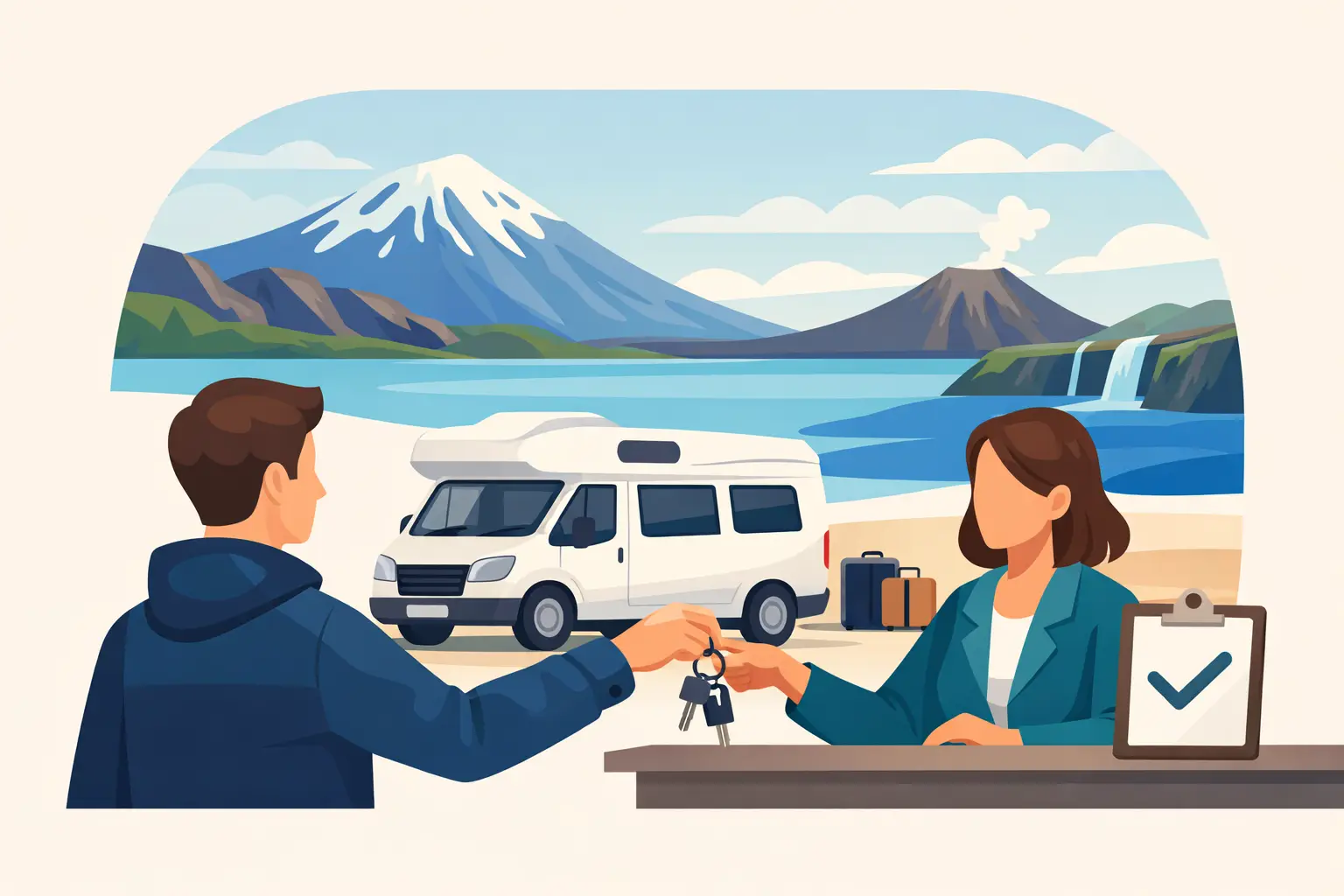
Convenience is part of the experience too. A digital, self-service pickup can save you from wasting travel time at a rental counter. No queues. No waiting. No surprises. If the goal is freedom, the rental process should support that from the start.
For travelers who want that kind of setup, Black Sheep Campers offers compact 4×4 camping vehicles designed for Iceland rather than generic road trips elsewhere. That difference matters more than flashy features.
The best small camper for Iceland is the one that keeps you moving
Iceland rewards travelers who stay flexible. Weather changes. Roads change. Plans change. A smaller, practical camper setup makes it easier to adjust without turning every decision into a hassle.
That is why the best small camper for Iceland is usually a compact vehicle built around real conditions, not just extra space. If it handles rough roads well, gives you a comfortable place to sleep, and lets you travel on your own schedule, it is doing the job.
Keep it simple. Pick the setup that fits your route, your season, and the way you actually want to travel. You will feel the difference somewhere between the gravel roads, the late-night campsite arrivals, and the moments when changing plans turns out to be the best part of the trip.