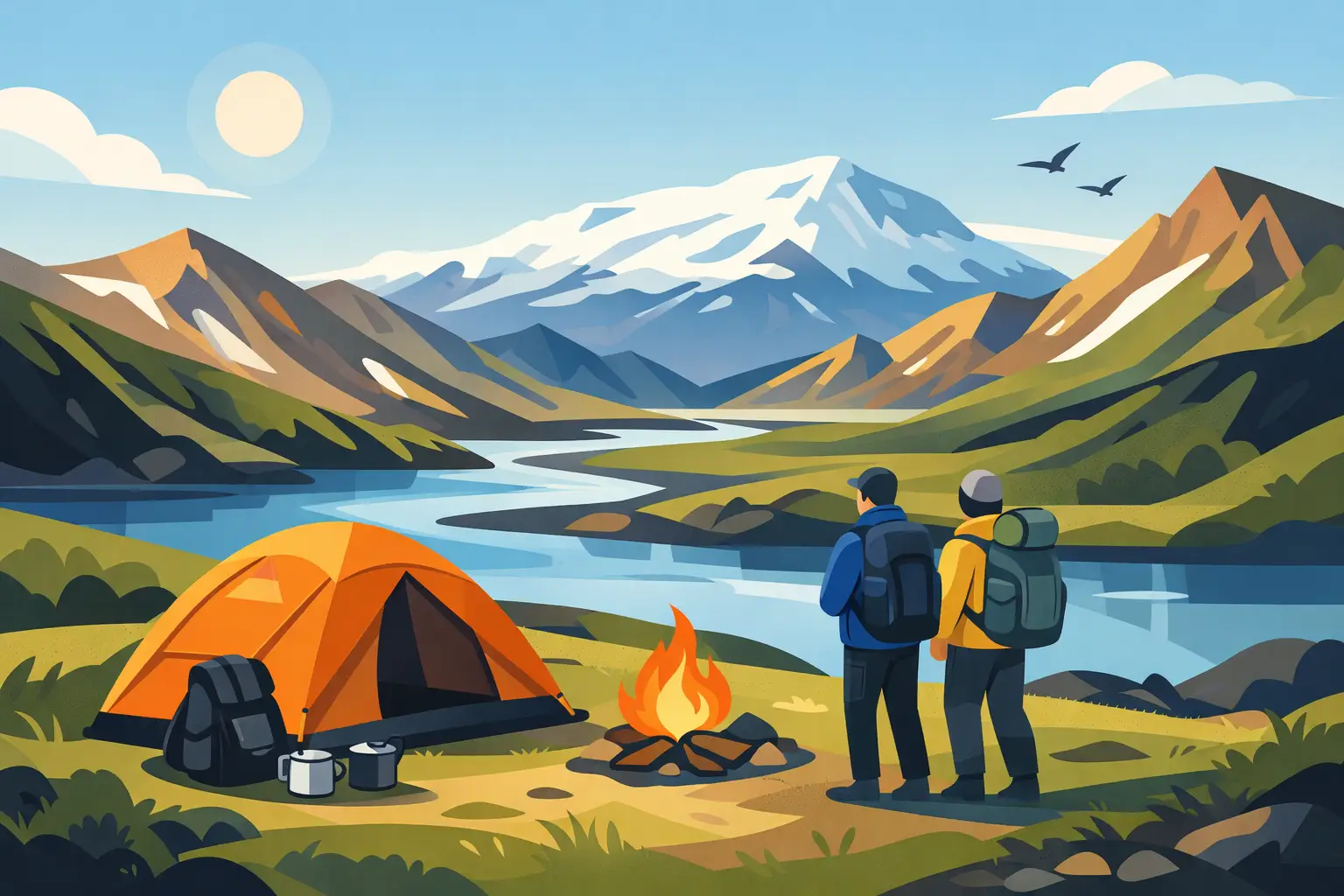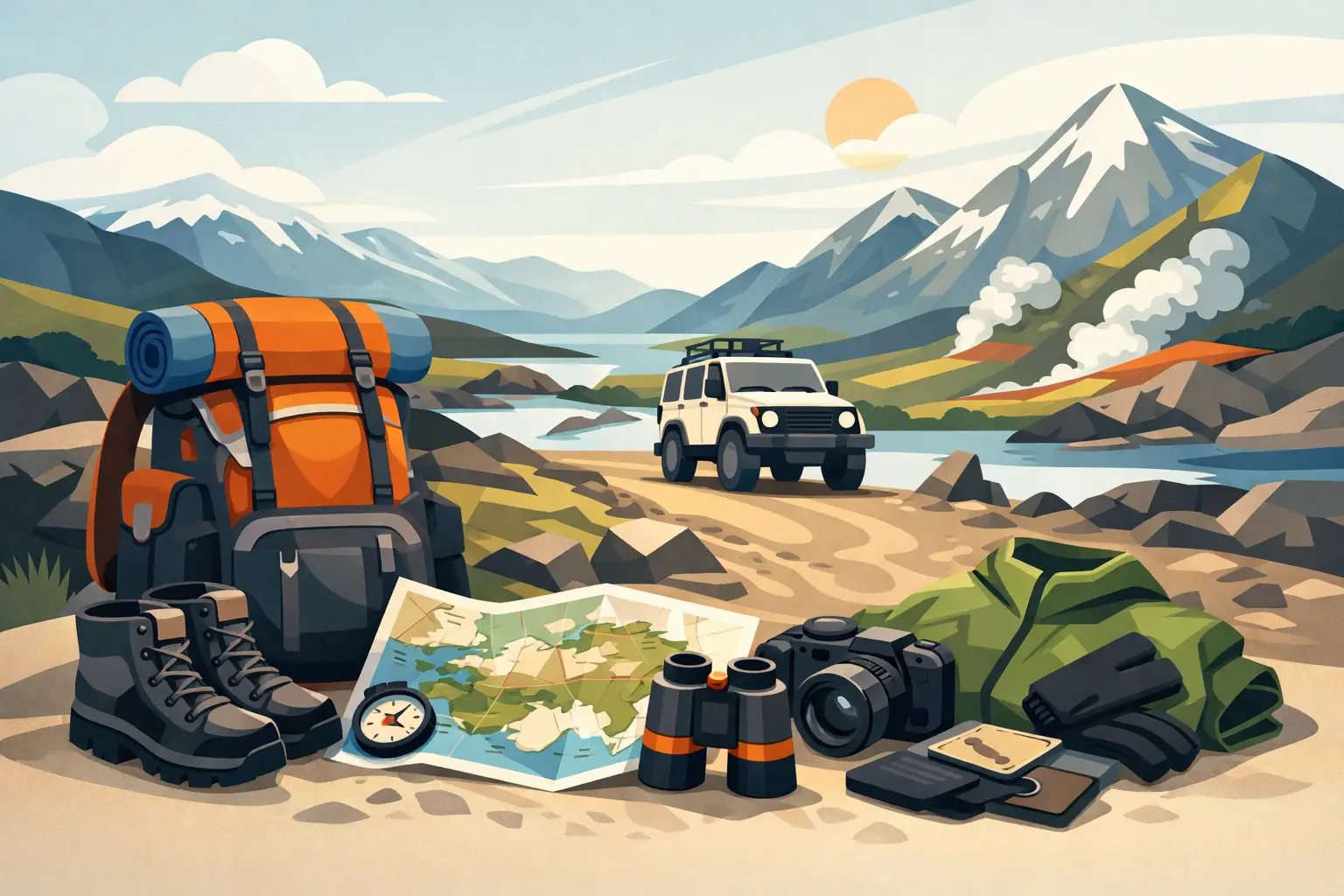
A 4×4 camper can turn an Iceland road trip into something far more flexible than a hotel-and-tour itinerary. But knowing how to choose a 4×4 camper is not just about finding the biggest vehicle or the lowest daily rate. It is about matching the vehicle to the roads you plan to drive, the season you visit, and the way you actually want to travel.
For some travelers, a compact 4×4 with a rooftop tent is the right balance of comfort and freedom. For others, a sleep-in-the-back setup makes more sense, especially if they prefer a quicker bedtime routine or are traveling in cooler, windier conditions. Keep it simple: choose the camper that supports your plan, rather than building your plan around a vehicle that does not fit it.
How to Choose a 4×4 Camper for Your Iceland Route
Start with your route, not the camper. Iceland has a wide range of roads, from smooth paved sections of the Ring Road to gravel tracks, mountain roads, and remote Highland F-roads. A 4×4 gives you more capability and confidence on rougher surfaces, but it does not mean every unpaved road is suitable or every F-road is accessible.
If your trip focuses on the Ring Road, the Golden Circle, Snæfellsnes, the South Coast, or the Westfjords’ main routes, a compact 4×4 camper is often a practical choice. You get better traction and ground clearance than a standard car while keeping fuel use, parking, and driving manageable.
If the Highlands are a central part of your trip, pay closer attention to the exact vehicle, current road conditions, and rental rules. F-roads only open seasonally, often in summer, and conditions can change quickly after rain, snow, or high winds. Some routes include rough terrain or unbridged river crossings that are not suitable for every 4×4 camper. Never assume a four-wheel-drive badge is permission to drive every route.
Before booking, look at your planned stops day by day. Ask whether you need a 4×4 for access, or whether you simply want the extra security and freedom it provides. Both are good reasons to choose one, but they lead to different priorities.
Think About the Roads You Will Drive Every Day
A vehicle that feels great on a paved highway may be less enjoyable after several hours on washboard gravel. At the same time, a larger, more specialized 4×4 may cost more to fuel and feel unnecessary if most of your route stays on main roads.
The best choice is usually the smallest camper that comfortably handles your planned route, your passengers, and your gear. Smaller vehicles are easier to park at viewpoints, campsites, and grocery stores. They are also less intimidating for travelers who have never driven in Iceland before.
Choose Your Sleeping Setup: Rooftop Tent or Sleep-in-the-Back
This is where personal travel style matters most. A rooftop tent gives you a classic camping experience and keeps your sleeping area separate from the vehicle interior. It can feel spacious for two people and lets you keep your luggage and cooking gear accessible below.
The trade-off is setup. You will need a few minutes to open the tent, climb up, and pack it away in the morning. In calm summer weather, that routine is easy. In strong wind or rain, it can be less appealing, particularly if you move campsites every night.
A sleep-in-the-back camper is usually the more straightforward option for travelers who value speed and shelter. You can park at a campsite, organize the front seats, and get into bed without climbing a ladder or opening a tent. It is especially practical for short stays, unpredictable weather, and travelers who want less gear handling at the end of a long driving day.
The compromise is interior space. Sleeping in the back of a compact 4×4 works best when you pack light and accept that the vehicle is primarily a place to sleep, not a full indoor living room. Two people can travel comfortably in this style, but only if they organize their bags and supplies carefully.
Match the Camper to Your Group Size and Luggage
A 4×4 camper for two people is not automatically comfortable for two people with two large suitcases, hiking packs, camera gear, food, and wet clothes. Iceland asks a lot of your packing system. Jackets, boots, towels, and groceries need somewhere to go when the weather turns.
Couples who travel light can usually enjoy a compact setup without trouble. If you are bringing bulky winter clothing, serious photography equipment, fishing gear, or several large bags, choose a vehicle with enough storage or plan to use soft bags that are easier to move around.
Solo travelers have more flexibility. A compact camper can feel roomy when there is only one person sleeping inside, and it leaves more space for supplies. Small groups should be realistic about sleeping arrangements. A vehicle designed for two is best treated as a two-person camper, not a vehicle to stretch beyond its intended use.
Also consider your height. A longer sleeping platform can make a major difference after several nights on the road. Check the bed dimensions rather than assuming that any camper will suit taller travelers.
Consider the Season Before You Decide
Summer is the easiest time to camp in Iceland. Days are long, campsites are open, and more Highland roads may be available. A rooftop tent can be an excellent fit during this period, especially for travelers who want to move freely and wake up close to nature.
Spring and fall bring quieter roads and changing conditions. Nights are colder, weather can shift faster, and some facilities may have reduced hours. A sleep-in-the-back setup may feel more convenient if you want to minimize exposure while setting up camp.
Winter requires a more cautious approach. Road closures, snow, ice, wind, and limited daylight all affect where you can go and how far you can comfortably drive. A 4×4 can be valuable, but it is not a substitute for checking weather forecasts, road conditions, and local warnings every day. Choose a vehicle that you feel confident driving, and keep your daily distances sensible.
Compare the Real Cost, Not Just the Daily Rate
A cheap rental can become expensive if it excludes essentials you need to buy or rent separately. When comparing 4×4 campers, look at what is included in the setup. Sleeping gear, cooking equipment, a cooler, camping chairs, and basic kitchen items can save both money and time after arrival.
Also check mileage limits, insurance options, deposits, fuel policy, and any charges related to pickup or return times. Unlimited mileage matters in Iceland because distances add up quickly once you start adding waterfalls, hot springs, detours, and scenic side roads to the plan.
A camper combines transportation and accommodation, but campsites still have nightly fees. Budget for those, along with fuel, groceries, and activities. Camping outside designated areas is restricted in Iceland, so plan to use established campsites rather than assuming you can park and sleep wherever the view looks good.
Transparent pricing makes trip planning easier. Black Sheep Campers focuses on practical 4×4 setups with camping essentials included, unlimited mileage, and self-service pickup and return, so you can spend less time coordinating logistics and more time on the road.
Do Not Overlook Pickup, Support, and Simple Details
Your vehicle is only part of the experience. Think about what happens when you land, especially if your flight arrives late or leaves early. A 24/7 self-service pickup and return process can remove the pressure of reaching a rental counter before closing time. No queues. No waiting. No need to reshape your first or last day around office hours.
Ask how support works if you have a question on the road. You may need help understanding a warning light, operating the camping equipment, or adapting your route when the weather changes. Clear instructions and responsive support matter more than flashy extras.
Before setting off, take time to inspect the vehicle, learn how the tent or bed setup works, and confirm what fuel it uses. Test the camping equipment while you are still near the pickup location. A five-minute check can prevent a frustrating first night at a remote campsite.
The right 4×4 camper should make Iceland feel open, not complicated. Choose for the roads you will actually drive, the weather you may actually face, and the level of comfort you genuinely need. Then leave room in your itinerary for the unplanned turnoffs, changing skies, and quiet campsites that make a self-drive trip worth taking.