A rooftop tent changes the way you see Iceland. Instead of checking into a hotel before sunset or rushing back to Reykjavik, you can follow the weather, take the longer road, and sleep close to tomorrow’s first trail. The best Iceland stops with rooftop tent travel are the places where a great drive, a legal campground, and a memorable landscape come together.
The simple rule is this: use campgrounds for overnight stays. Wild camping in a vehicle is generally not allowed in Iceland, and parking at a waterfall or scenic pullout is not permission to sleep there. Iceland has excellent campgrounds across the country, often close to the stops you came to see. Plan loosely, check opening dates and road conditions, then keep enough flexibility to change course when the forecast does.
Best Iceland Stops With a Rooftop Tent
1. Þingvellir National Park
Þingvellir is an easy first stop after leaving Reykjavik and a smart way to settle into a self-drive trip. You can walk between the North American and Eurasian tectonic plates, see the clear water at Silfra, and take in the broad lava landscape without committing to a long driving day.
It is popular, especially in summer, so arrive early or visit later in the evening. Stay at a nearby designated campground rather than trying to make this a rushed day trip. With your accommodation on the roof, you can enjoy the park when most tour buses have gone.
2. Geysir, Strokkur, and Gullfoss
The Golden Circle can feel busy, but it earns its place on a rooftop tent route because the stops are close together and easy to combine. Strokkur erupts every few minutes, while Gullfoss delivers the kind of scale that photos rarely explain properly. This is a reliable first or last full day if weather limits your plans elsewhere.
The trade-off is crowds. If you want a quieter experience, do the route in the opposite direction from the usual Reykjavik day-trip flow, or sleep nearby and visit Gullfoss early. The roads are generally straightforward, but conditions can change quickly outside summer.
3. Seljalandsfoss and Gljúfrabúi
On the South Coast, Seljalandsfoss is one of Iceland’s most recognizable waterfalls for a reason: in the right conditions, you can walk behind it. Bring waterproof layers and protect your camera. The path is slippery, and spray is constant.
A short walk away, Gljúfrabúi is tucked inside a narrow canyon. You may need to step across wet rocks to see it properly, but it is a much more intimate stop than the open waterfall next door. Find a campground in the area for the night and use the long summer evening to explore at a slower pace.
4. Skógafoss and the Fimmvörðuháls Trail Start
Skógafoss is powerful from the ground, but the staircase beside it is worth the climb for a wide view over the coast. If you have time, continue along the river above the falls. Even a short section of the trail gives you a better sense of the landscape than a quick photo stop.
This is also a useful place to decide what kind of trip you want. The Ring Road can be completed quickly, but a rooftop tent trip is better when you leave room for walks, weather delays, and places that deserve an extra night. Keep it simple. One waterfall, one hike, one campground can be a perfect day.
5. Dyrhólaey and Reynisfjara
Near Vík, Dyrhólaey offers high coastal views, black sand, seabirds, and a dramatic rock arch. Access can be seasonal or affected by weather, so do not assume the road will be open. Check local conditions before heading up.
Reynisfjara’s black beach and basalt columns are equally striking, but this is a place to take safety seriously. Sneaker waves can arrive without warning and have swept visitors into the ocean. Stay well back from the water, watch the sea for several minutes before walking down, and never turn your back on it. Camp in or near Vík rather than overnighting at the beach parking lot.
6. Skaftafell and Jökulsárlón Glacier Lagoon
Skaftafell is one of the strongest stops for travelers who want more than roadside views. Hiking trails range from short walks to longer routes with glacier and mountain views. The trail to Svartifoss, framed by dark basalt columns, is a solid choice if you have a few hours and decent weather.
Farther east, Jökulsárlón Glacier Lagoon and Diamond Beach make an excellent late-day stop. Icebergs drift through the lagoon, while pieces of ice wash onto the black sand across the road. The light can be beautiful near sunset, but wind and rain can make the area feel much colder than the temperature suggests. Pack warm layers where you can reach them easily, not buried under all your camping gear.
7. Eastfjords: Djúpivogur to Seyðisfjörður
The Eastfjords reward travelers who are willing to slow down. The drive includes winding coastal roads, small fishing towns, steep mountains, and fewer large tour groups than the South Coast. This is where a rooftop tent setup becomes especially useful because you are not locked into a hotel reservation in one town.
Djúpivogur is a good point to pause, restock, and check the forecast. Seyðisfjörður is another memorable overnight area, reached by a mountain pass that can be foggy or temporarily difficult in poor conditions. Drive to the conditions, not to your planned arrival time. If visibility drops, stop somewhere safe and give yourself more time.
8. Mývatn and Hverir Geothermal Area
North Iceland feels different: wider skies, volcanic terrain, geothermal steam, and fewer obvious route decisions. Around Lake Mývatn, you can combine lava formations at Dimmuborgir, pseudo-craters at Skútustaðagígar, and the colorful geothermal ground at Hverir.
Stay on marked paths at geothermal areas. The ground can be thin, hot, and dangerous, even when it looks solid. This region also gets midges in summer, so pack a head net if bugs tend to ruin your outdoor time. It is a small item that can make a major difference.
9. Goðafoss and the Tröllaskagi Peninsula
Goðafoss is close to the Ring Road and easy to visit from either side of the river. It is not a full-day destination, but it is a worthwhile break before or after time around Akureyri. The waterfall is broad, accessible, and especially good in softer morning or evening light.
If your schedule allows, continue into Tröllaskagi. The peninsula offers mountain roads, coastal villages, and a less direct route west. It is a better choice for travelers with extra days than for those trying to circle Iceland in a week. The road may be slower, but that is the point.
10. Snæfellsnes Peninsula
Snæfellsnes is often called Iceland in miniature, and for once the description is useful. In one compact region, you get lava fields, black beaches, fishing villages, sea cliffs, mountains, and Snæfellsjökull glacier. Kirkjufell near Grundarfjörður is the best-known photo stop, but the peninsula is more rewarding when you keep driving.
Take time for Arnarstapi, Djúpalónssandur, and the coastal road around the national park. Wind can be strong here, so always secure your rooftop tent properly and avoid setting it up in exposed conditions if a storm is coming. A campground with some shelter is worth choosing over the most scenic but windy option.
Plan Your Overnight Stops Around Reality
A good Iceland route is not a checklist. It is a flexible plan built around daylight, weather, driving distance, campground availability, and your energy level. In summer, long daylight makes it tempting to keep going, but tired driving is never worth one more stop. In spring and fall, shorter days and fast-changing conditions make a realistic route even more important.
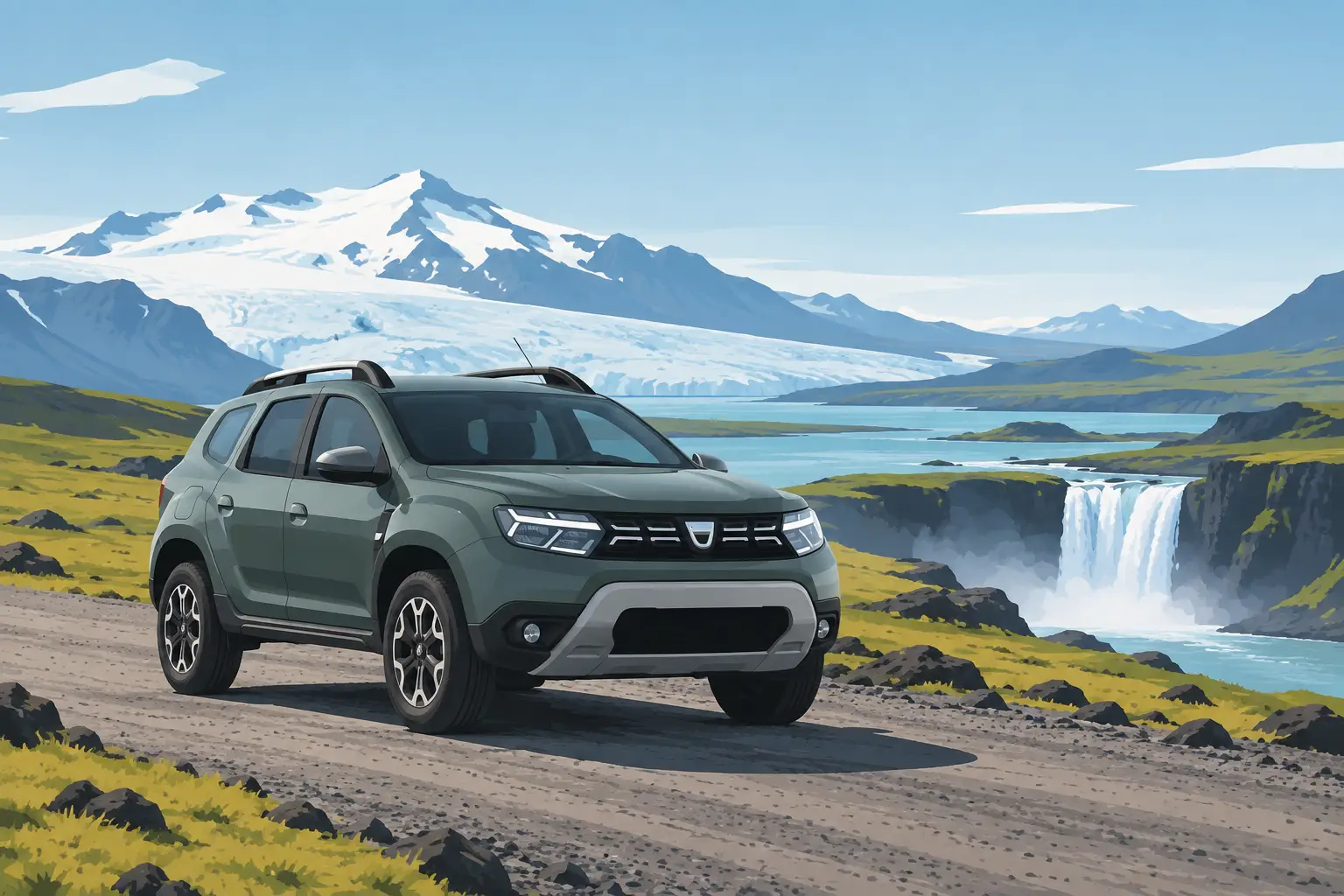
A 4×4 gives you more options, but it does not make every road suitable. F-roads open only in the summer season, depend on conditions, and can involve rough surfaces or river crossings. Never drive through a river unless your vehicle is approved for it, you understand the route, and conditions are safe. A Dacia Duster is capable on many Iceland roads, but it is not a river-crossing vehicle.
Before leaving each morning, check the weather forecast, road conditions, and any alerts for your intended route. Then choose your next campground, fill up when fuel is available, and keep food and water on hand. With a fully equipped 4×4 rooftop tent vehicle from Black Sheep Campers, there are no hotel check-in times dictating your day. No queues. No waiting. Just a practical base for seeing more of Iceland on your own terms.
The best stop is often the one you did not force into the original itinerary: a quiet fjord after rain clears, a campground beside a mountain, or a trail you had time to walk because you were not racing toward a reservation.