You usually realize how to choose a campervan in Iceland the moment you start comparing vehicles and notice they are not all built for the same trip. A cheap 2WD van might be fine for summer nights on the Ring Road. It is a bad match if you want gravel roads, strong wind, Highland access, or the freedom to change plans as you go. In Iceland, the right vehicle is less about extras and more about fit.
That is the key idea to keep in mind while booking. Choose for your route, your season, and your comfort level – not just the nightly rate. A camper that works well in southern Europe can feel limited here fast.
How to choose a campervan in Iceland for your trip
Start with the roads you actually plan to drive. This matters more than almost anything else.
If your itinerary stays on the Ring Road, paved routes, and the main sights in summer, you have more flexibility. A standard campervan may cover what you need. But if you want rougher gravel roads, shoulder-season travel, or access to more remote areas, a 4×4 setup makes a real difference in stability, clearance, and overall confidence behind the wheel.
If F-wegen are part of the plan, the decision gets simpler. You need a vehicle that is legally and practically suited for them. Not every campervan is. That is where many first-time visitors make the wrong comparison – they shop by bed size or interior photos before checking whether the vehicle matches the roads.
A good rule is simple: if your trip is built around freedom, choose a vehicle that gives you more of it.
Match the vehicle to the season
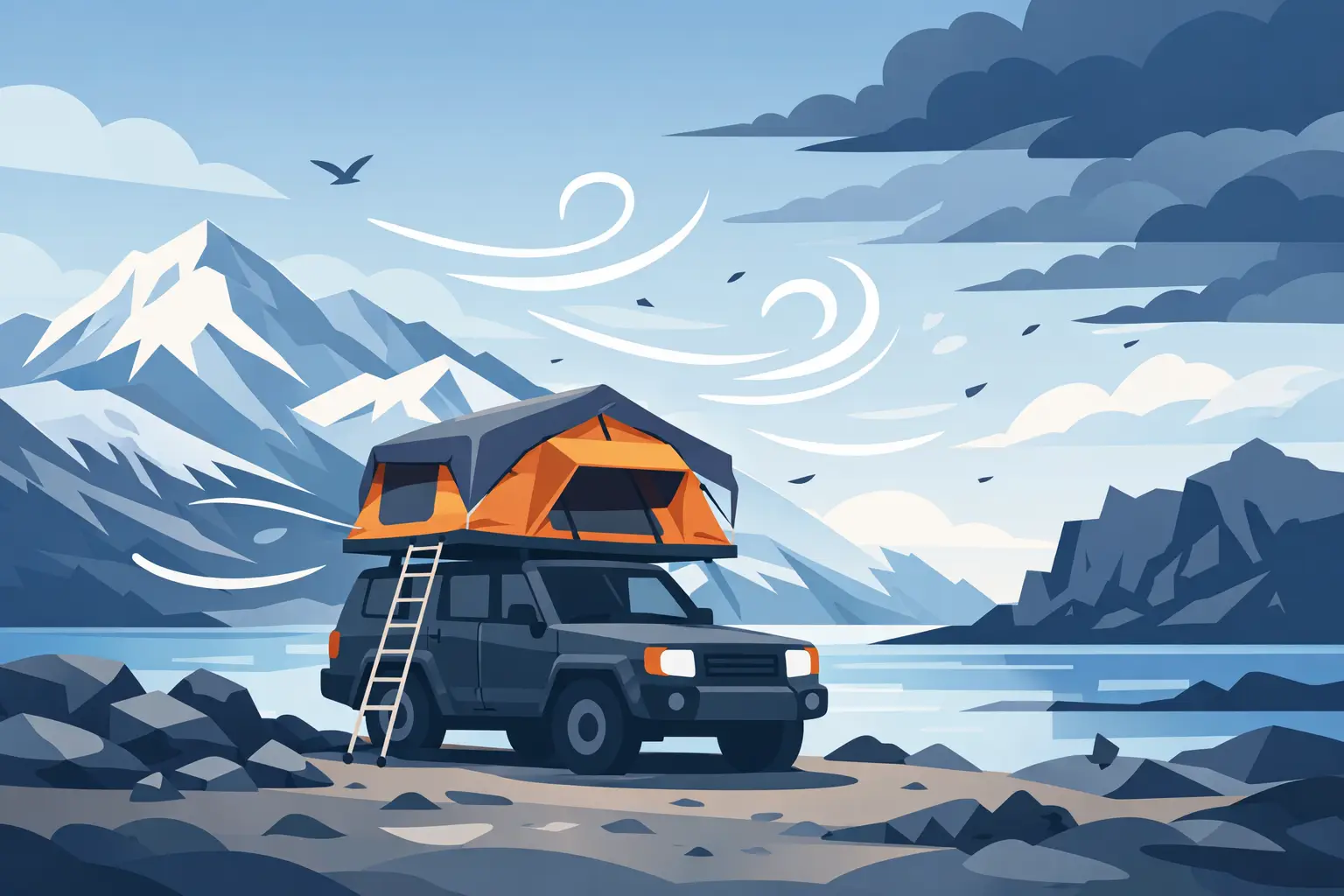
Summer is the easiest time to rent in Iceland, but even then, weather can change fast. Wind is often a bigger factor than people expect. A large, tall camper can feel more exposed, especially for drivers who are not used to Icelandic conditions.
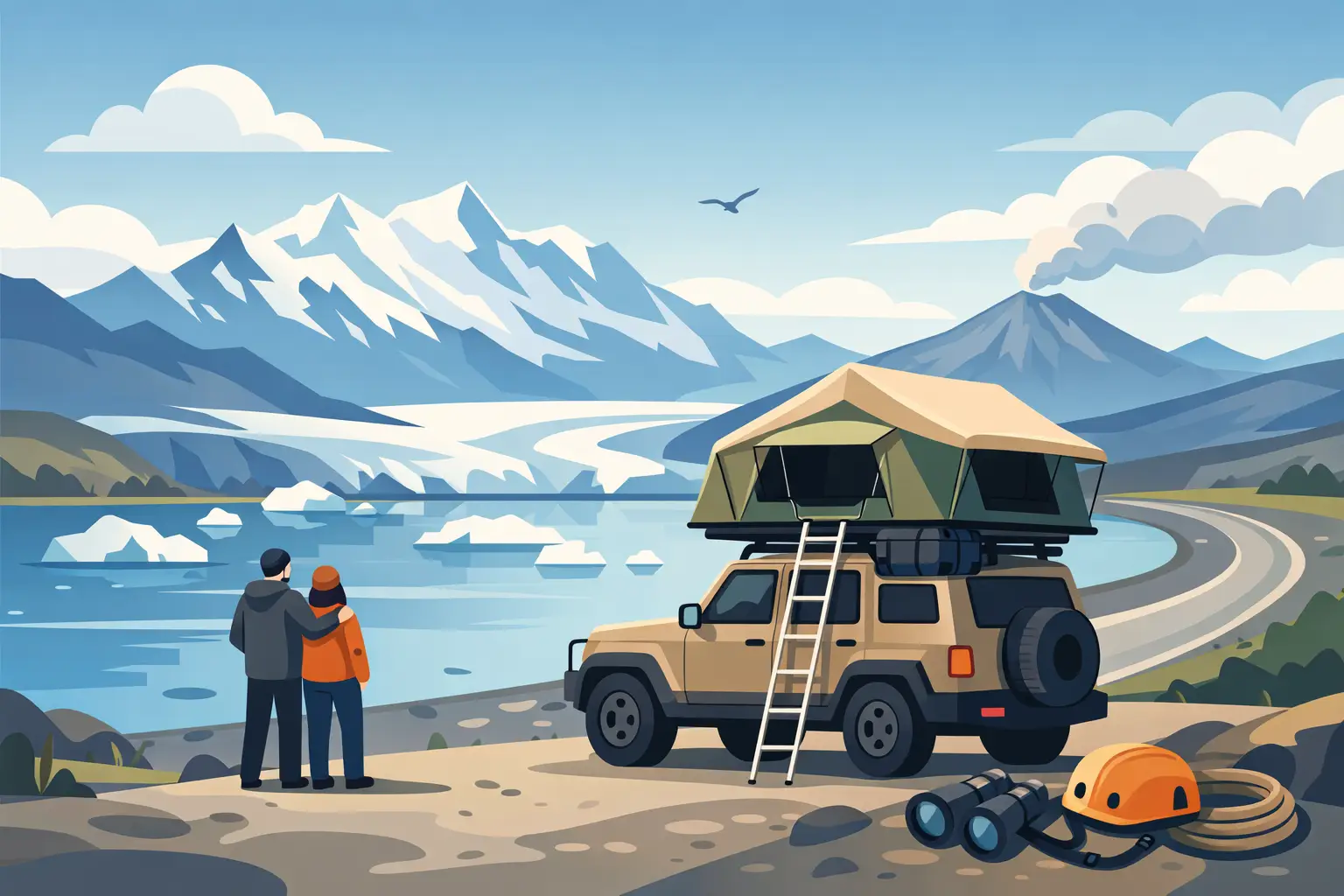
That is one reason many travelers prefer smaller 4×4 campers or rooftop tent setups. They are practical, easier to handle, and better suited to mixed road conditions. You do give up some interior living space, so it depends on what matters more to you – a roomier cabin or a more versatile vehicle.
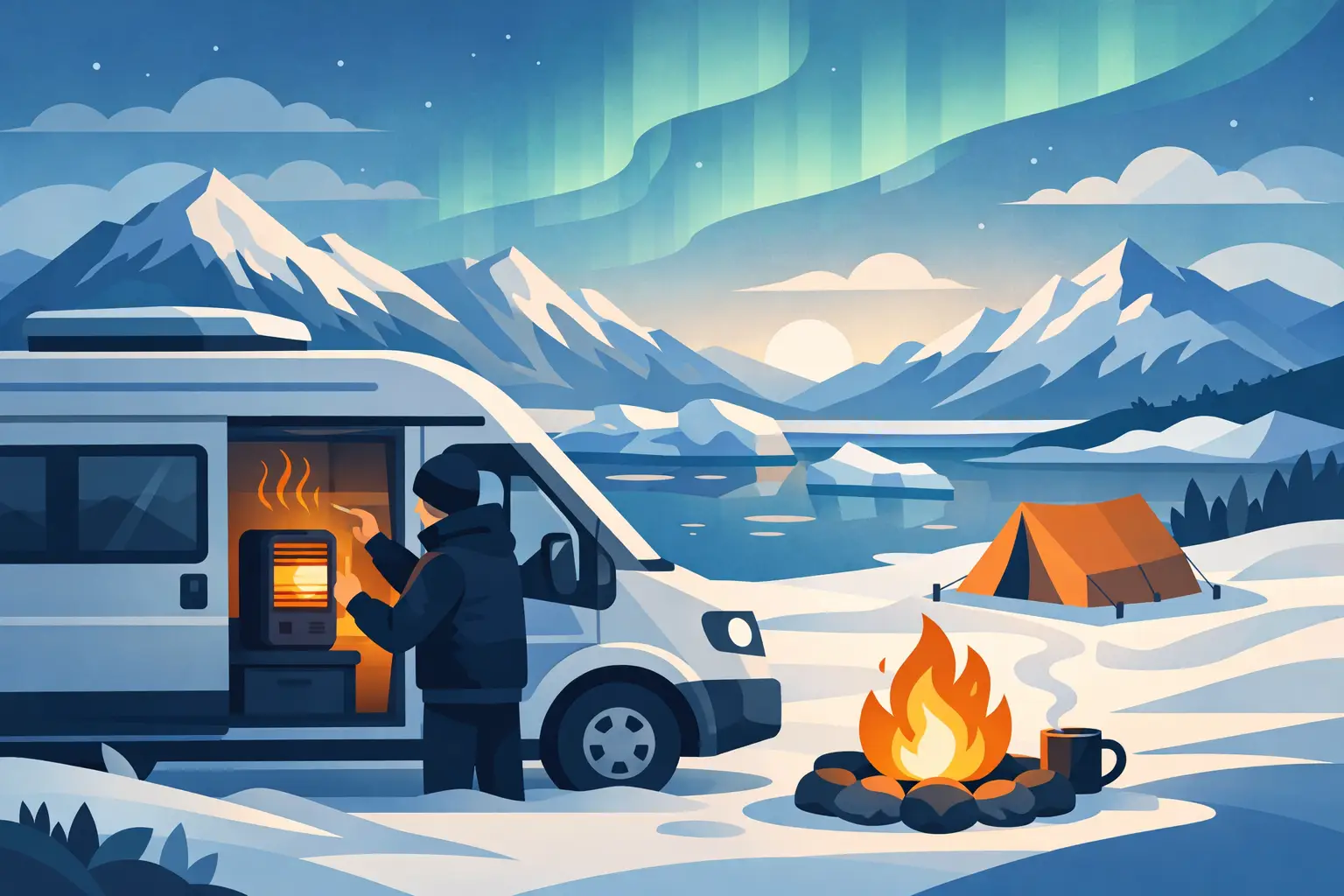
In spring and fall, that trade-off becomes even more important. Shorter days, colder nights, and less predictable weather make capability and simplicity more valuable than extra campervan features you may barely use.
Pick the right camper style, not the biggest one
A lot of travelers assume a larger camper is automatically better. In Iceland, that is not always true.
Big vans offer stand-up space and more indoor comfort, which can be great for longer stays at campsites. But they are also bulkier on narrow roads, less suited to rough terrain, and often more restrictive if you want to explore beyond the standard route.
Smaller sleep-in-the-back campers and rooftop tent 4x4s appeal to travelers who care more about mobility than indoor square footage. They are especially popular with couples and solo travelers who want a simple, all-in-one setup without paying for space they do not need.
If your travel style is active – hiking, moving often, chasing weather windows, changing plans day by day – a compact 4×4 camper usually makes more sense than a large motorhome-style van.
Rooftop tent or sleep-in-the-back?
This is one of the most practical decisions you will make.
A rooftop tent setup gives you a capable vehicle and a separate sleeping space above the car. It is efficient, usually lighter on fuel than bigger campers, and works well for travelers who are comfortable with a camping-style experience. Setup is straightforward, but it is still more outdoors-focused than sleeping inside the vehicle.
A sleep-in-the-back camper keeps your sleeping area inside the car, which can feel simpler in bad weather. You lose some of the separation between storage and sleeping space, but you gain convenience on cold or wet nights.
Neither is universally better. If you like classic camping and want maximum road flexibility, rooftop tents are a strong option. If you want to keep things compact and sheltered, sleeping inside the vehicle may suit you better.
Think about Iceland-specific driving conditions
This is where many rental comparisons become too generic. Iceland is not just another road trip destination.
Gravel is common. Wind is serious. Weather changes quickly. Remote stretches can be long, and services are limited in some areas. The best campervan for Iceland is the one that stays practical when conditions stop being ideal.
That means you should look closely at ground clearance, drivetrain, tire type, heating options if relevant, and how the vehicle handles on uneven roads. It also means thinking honestly about your own driving experience. If you are not comfortable driving a large van in strong wind, choosing a smaller 4×4 can make the whole trip easier.
This is also why transparent vehicle descriptions matter. You want to know what the camper is actually designed for, not just what looks good in photos.
Check what is included
A lower base price does not always mean a better deal. Some rentals look cheap until you add mileage, camping gear, extra driver fees, or basic equipment you assumed was standard.
Look for clear pricing and a fully equipped setup. If your rental includes the practical essentials from the start, planning gets much easier. Unlimited mileage is especially valuable in Iceland because distances add up fast, even on a short itinerary.
It is also worth checking how pickup and return work. Traditional rental counters can eat into your travel day, especially if you land late or leave early. A digital, self-service process gives you more control over your schedule, which fits the whole point of a camper trip in the first place.
Budget for the full experience, not just the rental
When deciding how to choose a campervan in Iceland, price should be part of the decision, but not the only part. The cheapest rental can become expensive if it limits where you can go, adds hidden fees, or forces you into hotels because the setup is not practical for your route.
A better approach is to think in total trip cost. A well-equipped camper that combines transport and accommodation often gives better value than booking separate hotels and a car. And if the vehicle is capable enough for your itinerary, you avoid the cost of changing plans halfway through.
Fuel matters too. Larger campers usually consume more. A compact 4×4 may strike a better balance between capability and operating cost, especially for two people.
Choose based on how you travel
The right camper depends on your habits as much as your route.
If you like slow travel, long evenings at camp, and more interior comfort, a traditional campervan may feel worth the extra size. If you mostly use the vehicle as a base for hiking, sightseeing, and moving frequently, keeping things lighter and simpler usually works better.
For first-time visitors, simpler is often the safer choice. You do not need a complicated setup to have a great Iceland road trip. You need a reliable vehicle, sensible equipment, and enough flexibility to adapt to weather and road conditions.
That is one reason many independent travelers choose practical 4×4 camping vehicles over larger vans. They are easier to live with day to day, especially when Iceland does what Iceland does.
Questions to ask before you book
Before you commit, make sure you can answer a few basics clearly. Is the vehicle allowed on the roads you want to drive? Is the sleeping setup realistic for your group size? What gear is included? How does pickup work if your flight arrives late? What support is available if something goes wrong?
If those answers are hard to find, that is usually a warning sign. Rental decisions should feel clear, not complicated.
A practical provider will tell you exactly what the vehicle is good for and who it suits. That kind of honesty matters. At Black Sheep Campers, the focus is on simple 4×4 setups that make sense for real Iceland travel, not overbuilt campers that look impressive but limit your options.
The best campervan is the one that fits the trip you actually want to have. Keep it simple. Choose for the roads, the weather, and the way you like to travel, and the rest of Iceland gets a whole lot easier.