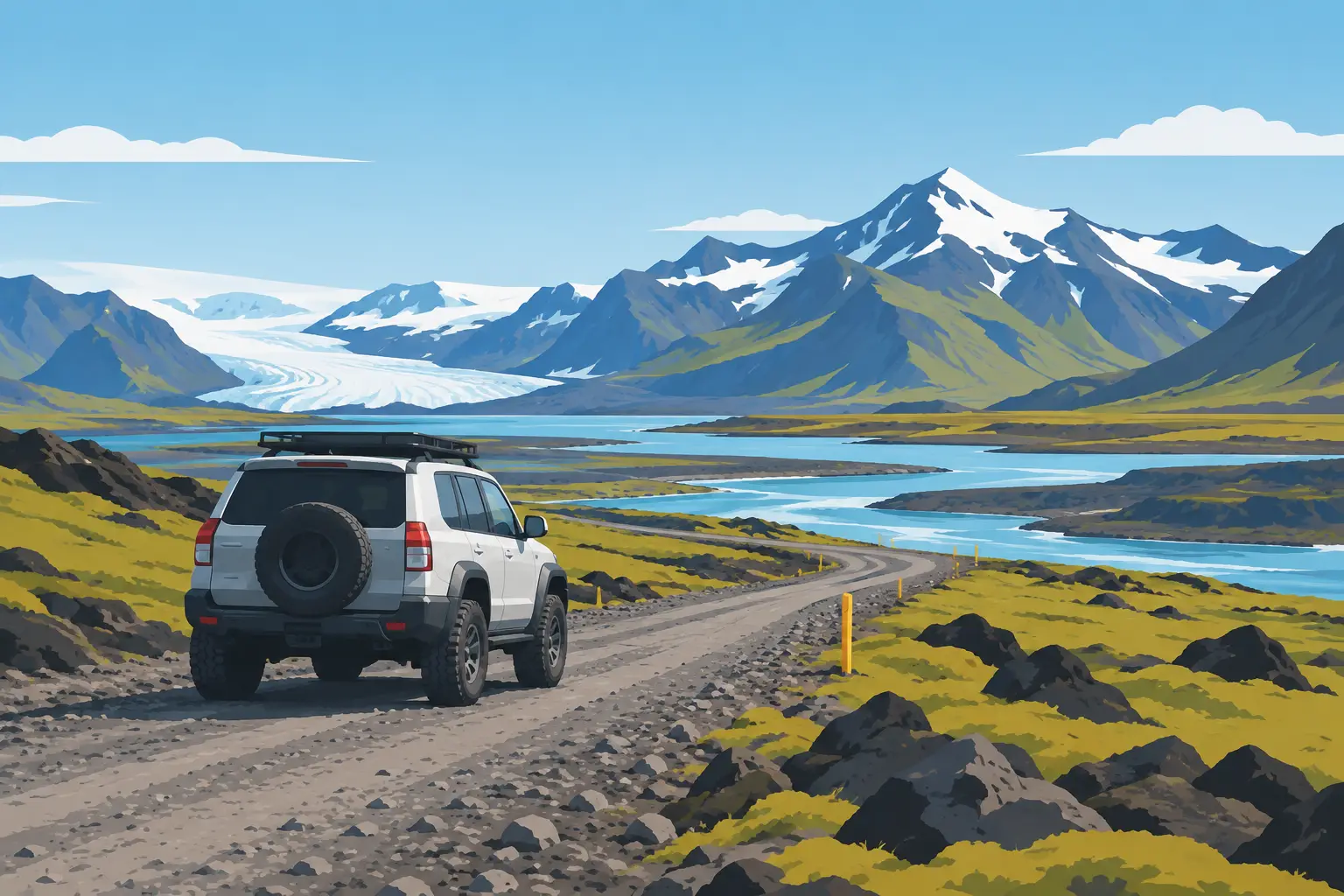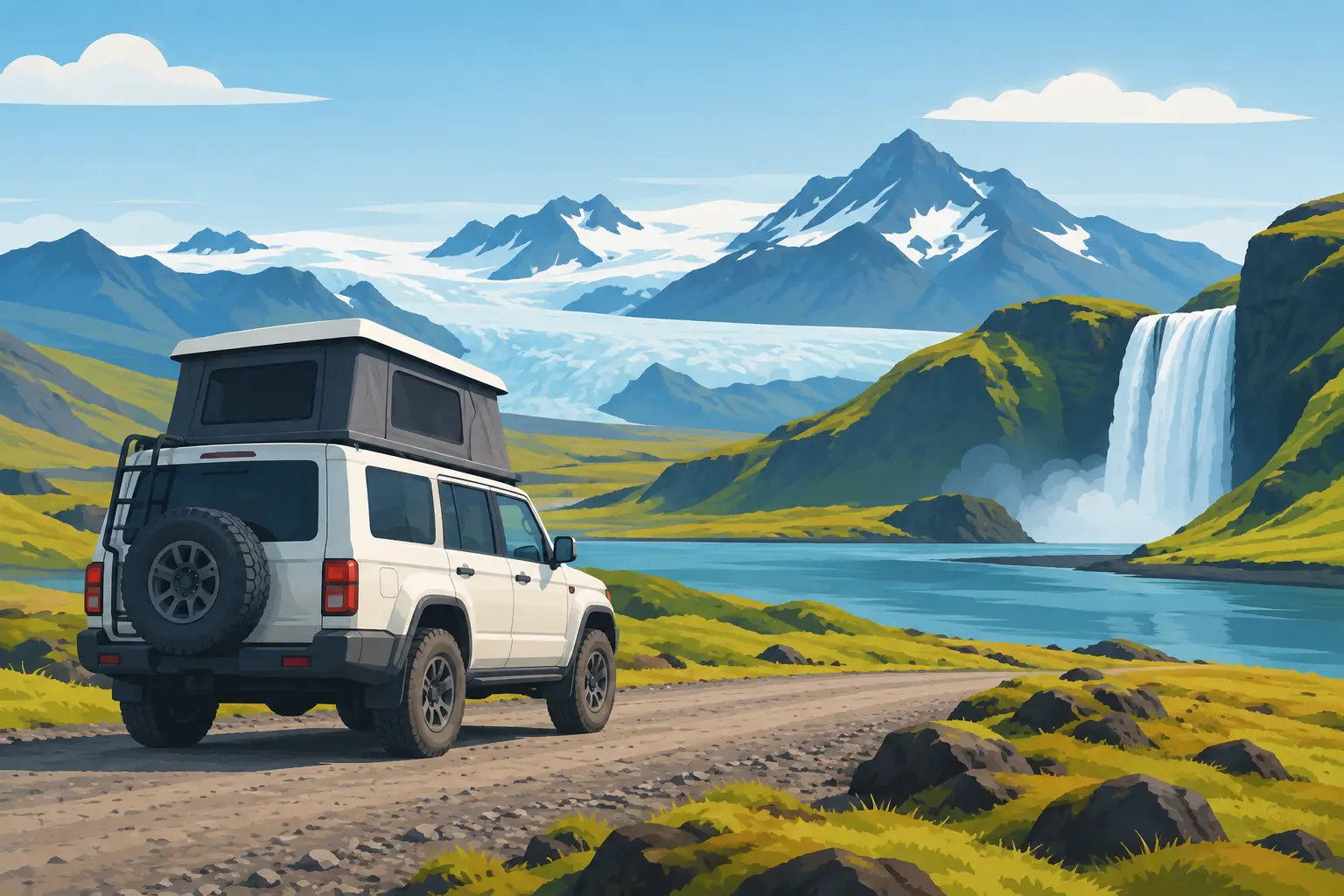
The mistake first-time visitors make is assuming any rental car can handle an Iceland road trip. That works for some summer Ring Road itineraries, but an Iceland 4×4 travel guide starts with a simpler truth: your route decides your vehicle, not the other way around. If you want gravel backroads, rougher mountain routes, or access to the Highlands, a 4×4 is often the difference between a flexible trip and a limited one.
A 4×4 also changes how you travel day to day. You are less tied to paved roads, less stressed by rough surfaces, and better set up for the kind of Iceland trip many people actually want – one with campsites, scenic detours, and the freedom to stop when the weather or landscape tells you to. That does not mean every traveler needs the biggest vehicle available. It means choosing a setup that matches Iceland as it really is.
Iceland 4×4 travel guide: when you actually need one
If your plan is a basic summer loop on the main Ring Road, with hotel stays and no Highland driving, a 2WD car can be enough. But that is the narrow version of Iceland. Many travelers quickly realize they want more flexibility once they arrive. A side road to a remote canyon, a gravel detour to a quieter campsite, or a route toward Landmannalaugar can change the whole trip.
A 4×4 becomes the practical choice in three common situations. First, you plan to drive F-roads. These are Iceland’s mountain roads, marked with an F, and they require a 4×4 by law. Second, you want to camp and move freely without overthinking every road surface. Third, you are traveling outside peak summer, when weather and road conditions become less forgiving.
There is also a comfort factor people overlook. Even on non-F roads, gravel, potholes, wind, and shifting conditions are part of Iceland travel. A proper 4×4 gives you more control and more confidence. No drama. No second-guessing every turnoff.
What F-roads are and why they matter
F-roads are not just normal roads with a different label. They are rough mountain tracks that usually open only in summer, and opening dates depend on snow, thaw, and road conditions. Some are relatively manageable in a smaller 4×4. Others are much rougher, with loose surfaces, steep sections, or river crossings.
That last part matters. River crossings are where travelers get into trouble. A 4×4 is required on F-roads, but not every 4×4 is suitable for every crossing, and conditions can change fast with rain or meltwater. If you are new to Iceland driving, it is smart to treat river crossings conservatively. Turn back if you are unsure. The road is not going anywhere.
This is where route planning matters more than ambition. Driving to Highland areas can be one of the best parts of an Iceland trip, but only if your vehicle, your timing, and your confidence level match the road. Keep it simple. Pick routes that fit your experience.
Choosing the right 4×4 setup
Not everyone needs a large expedition vehicle. For many couples and solo travelers, a compact 4×4 with a rooftop tent or sleep-in-the-back setup hits the sweet spot. You get access, flexibility, and lower fuel costs without carrying more vehicle than you need.
That balance is one reason smaller 4×4 campers work well in Iceland. They are easier to drive, easier to park, and easier on the budget than bigger campervans. At the same time, they still handle the rougher conditions that make Iceland different from a standard road trip destination.
A rooftop tent setup makes sense if you want a simple camp routine and do not mind sleeping above the vehicle. A sleep-in-the-back setup can be better if you expect colder or wetter nights and want faster shelter from wind and rain. Neither is automatically better. It depends on your trip style, the season, and how much comfort you want after a long driving day.
Black Sheep Campers focuses on this practical middle ground – 4×4 vehicles that keep Iceland accessible without making the trip complicated.
How to plan your route without overpacking the itinerary
A good Iceland 4×4 travel guide should probably save you from your own spreadsheet. Distances here look short on a map, but weather, road surfaces, photo stops, and simple curiosity slow everything down. The smartest plan is usually the one with fewer fixed stops.
If you have 5 to 7 days, focus on one region plus room for detours. South Iceland and parts of the Highlands can work well in summer. North Iceland works well if you want fewer crowds and longer scenic drives. If you have 8 to 12 days, the Ring Road becomes realistic, with time to camp and take side routes. If you want the Highlands, add buffer days. They are not optional if weather changes.
Try not to stack every famous place into one trip. Iceland works best when you leave space for the unexpected stop that turns into your favorite memory. A canyon with no tour buses. A hot spring you had not planned on. A campsite with a view that makes you stay another night.
Driving conditions first-time visitors underestimate
The road surface is only part of the story. Wind is often the bigger issue. Strong gusts can affect steering, make gravel sections trickier, and turn opening a car door into a bad decision if you are not careful. Slow down when conditions change. Iceland rewards calm drivers.
Weather can also shift several times in one day. Sun, rain, fog, and cold wind can all show up before lunch. That affects visibility, road grip, and how tired you feel behind the wheel. Start earlier than you think you need to, especially if you are driving unfamiliar roads.
Fuel planning matters too. In more remote regions, gas stations are less frequent. Do not wait until the tank is low if you are heading inland or into quieter areas. Top up when you can and treat that as standard practice, not overcaution.
What to pack for a 4×4 camping trip in Iceland
Packing for Iceland is mostly about layers and practicality. You do not need a huge wardrobe. You do need clothing that handles wind, moisture, and fast temperature changes. A waterproof outer layer, warm mid-layers, decent hiking shoes, and a hat and gloves are useful even in summer.
Inside the vehicle, organization matters more than volume. Keep the things you use every day easy to reach – rain gear, snacks, water, headlamps, and anything you need for setting up camp quickly. If the weather turns bad, a simple setup feels like luxury.
Food planning is worth thinking through before you land. If your vehicle comes equipped with camping basics, you can shop once, stock the essentials, and avoid expensive last-minute stops. That keeps the trip flexible and your budget under control.
Common mistakes to avoid
The biggest mistake is assuming a 4×4 makes every road safe. It does not. It simply gives you the right tool for roads that would otherwise be off-limits or uncomfortable. Judgment still matters.
The second is trying to do too much. Iceland looks small online and much bigger from the driver’s seat. Long driving days can wear you down, especially when conditions are windy or visibility is poor.
The third is treating campsite travel like hotel travel. If you are camping, give yourself time in the evening. Cooking, setting up, and checking weather for the next day all take a bit of rhythm. Once you settle into it, that rhythm becomes part of the trip.
The best way to get more out of Iceland
A 4×4 road trip in Iceland is not about driving the hardest road you can find. It is about having options. You can follow the weather, stay longer where it feels right, and reach places that are harder to access with a standard car. That freedom is the real upgrade.
If this is your first trip, aim for capability over complexity. Choose a vehicle that fits your route, keep your plan flexible, and respect the conditions you find on the day. Iceland does not need to be overengineered to be unforgettable. Set yourself up well, leave room to adjust, and let the road do the rest.