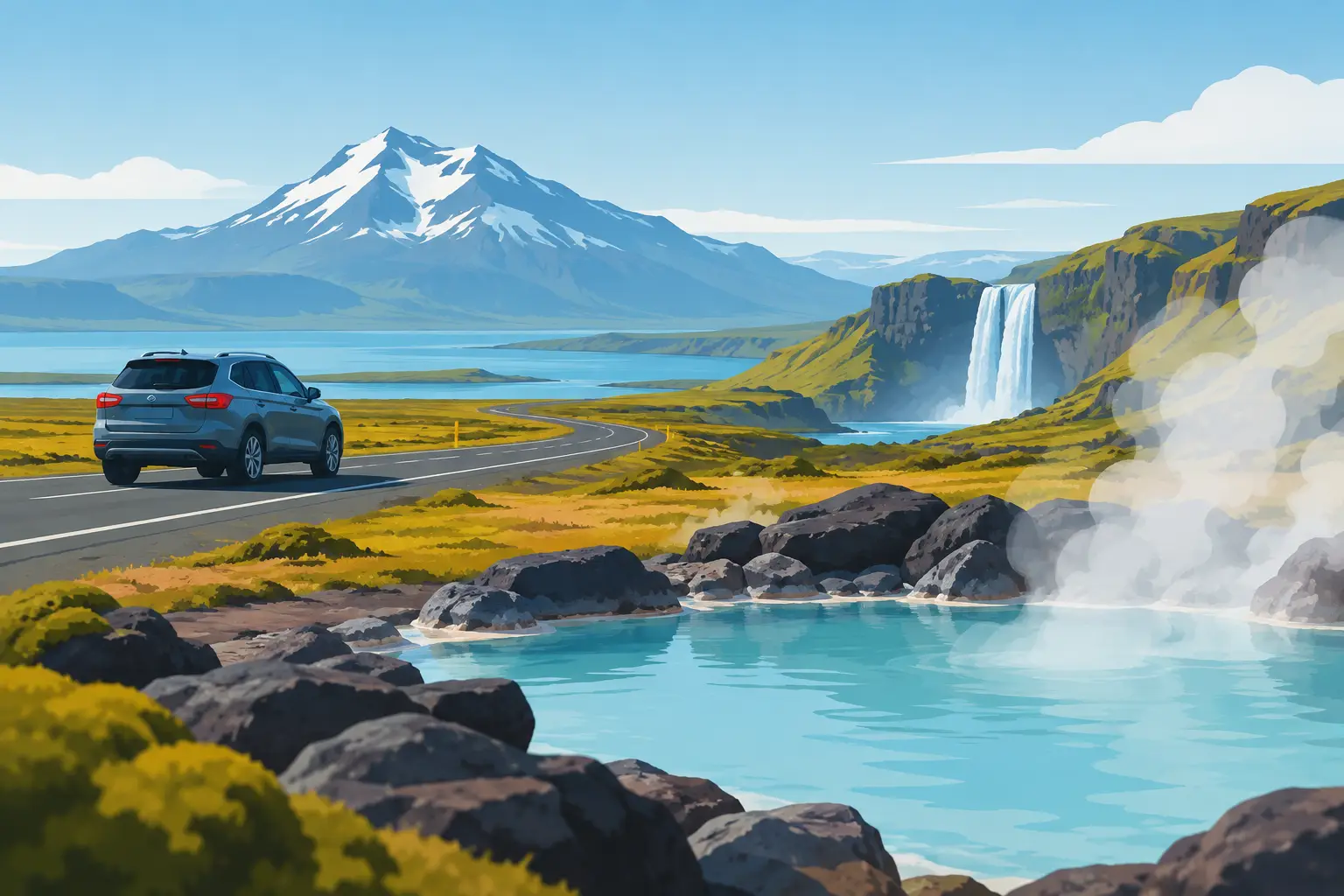
A sunny morning at Seljalandsfoss can turn into cold rain and hard wind before you reach Vík. That is why the best gear for iceland roadtrip travel is not about packing more. It is about bringing the few things that keep you warm, dry, fed, connected, and ready to change plans.
Iceland is easy to travel independently when your setup is practical. Roads can be long, weather moves quickly, and a stop that looks like 20 minutes on a map can become half a day once you add viewpoints, hikes, and a hot spring. Pack for the conditions, not just the photos.
Best gear for Iceland roadtrip weather
Your outer layer matters more than almost anything else. Bring a properly waterproof jacket with a hood, not a water-resistant city jacket. Wind-driven rain finds its way through weak zippers and thin fabric quickly, especially around waterfalls and on exposed coastlines. Waterproof pants are equally useful. They may feel excessive at the airport, but they can save a day when you want to walk to a viewpoint instead of waiting in the car.
Under the shell, use layers you can add or remove easily. A fleece or insulated midlayer, merino or synthetic base layers, and a warm sweater cover most seasons. Avoid relying on cotton for active days. Cotton stays wet, loses warmth, and takes too long to dry in a camper.
A warm beanie, gloves, and neck gaiter take up almost no space but make early starts and late campsite arrivals much more comfortable. Even in summer, nights can be chilly and the wind can make a moderate temperature feel much colder. In winter and shoulder season, thermal base layers and insulated gloves are standard gear, not optional extras.
Footwear depends on your plan. For short walks at major sights, waterproof trail shoes with good grip are often enough. If you expect muddy trails, river edges, or longer hikes, choose waterproof hiking boots with ankle support. Break them in before the trip. Iceland is not the place to discover that your new boots rub after two miles.
Keep your camping setup simple
A 4×4 camper or rooftop tent vehicle already removes much of the packing problem: your transport, sleeping space, and basic camping setup are together. With Black Sheep Campers, the goal is the same as a good Iceland packing list: keep it simple, carry what works, and leave room for the road trip itself.
Still, a few personal items make camp life easier. Bring a compact headlamp, preferably one with a red-light setting for late evenings. It is more useful than a phone flashlight when you are organizing gear, cooking outside, or walking across a dark campsite. Pack a reusable water bottle too. Icelandic tap water is excellent, and buying bottled water creates unnecessary cost and waste.
A quick-dry microfiber towel is another smart addition. It works for hot springs, showers, and unexpected wet gear, then dries far faster than a regular bath towel. Swimsuits should stay near the top of your bag, not buried under clothes. A geothermal pool or hot spring is often the right answer after a wet, windy day.
For sleeping, focus on comfort rather than bringing bulky extras. Eye masks and earplugs are especially helpful in summer, when daylight lingers late and campsites can be active. In colder months, warm sleepwear and thick socks make a bigger difference than packing several extra outfits.
Electronics that earn their space
Phone batteries drain faster in cold conditions, and navigation, weather checks, music, and camera use add up. A reliable power bank is one of the most useful small items you can pack. Choose one with enough capacity for at least one full phone charge, and keep it in an inside pocket when temperatures drop.
Bring charging cables for the vehicle and a wall plug adapter suitable for Iceland’s European-style outlets. A small multi-port charger is useful for couples or small groups sharing a campsite power point. Do not assume every campsite has unlimited outlets available, especially during busy summer evenings.
Offline maps are worth downloading before you leave Reykjavik or the airport area. Main routes usually have coverage, but remote stretches, mountain roads, and weather-affected areas are not where you want to depend on a weak signal. Save your accommodation or campsite details offline as well.
If photography is a priority, bring spare camera batteries and memory cards. Cold weather shortens battery life, while Iceland gives you plenty of reasons to shoot more than expected. Keep your camera in a dry bag or protective pouch when rain is likely. A small cloth for wiping water from lenses is more practical than expensive camera accessories.
Road-trip gear for changing conditions
The most useful road-trip equipment is often information. Check weather, road conditions, and route status every morning, then check again before heading into remote areas. Icelandic conditions can change quickly, particularly in the Highlands, along the south coast, and in winter. If a road is closed or a wind warning is active, adjust the plan. The best view is never worth putting yourself or other drivers at risk.
A small daypack keeps essentials close when you leave the vehicle: water, snacks, a warm layer, rain shell, headlamp, and phone. Choose one with a rain cover or water-resistant fabric. It is far easier than searching through your main luggage at every stop.
Food gear can stay basic. Bring a few reusable containers, a travel mug, and snacks that do not mind being stored in a vehicle. Nuts, dried fruit, oatmeal, crackers, and instant soup are useful backup food when shops are closed or you arrive late at camp. Fresh food is easy to buy in towns, but remote stretches have fewer options than visitors often expect.
A small personal first-aid kit is sensible for blisters, minor cuts, headaches, and basic medication. Add blister pads even if you are not planning major hikes. A short trail to a waterfall can still involve wet rocks, uneven ground, and more walking than expected.
What not to pack
Large hard-shell suitcases are awkward in compact adventure vehicles and make daily organization harder. Soft duffel bags or backpacks are easier to fit around camping equipment and easier to move when you need something quickly. Pack by category in smaller bags rather than bringing one oversized suitcase full of loose items.
You can skip dressy clothing, excessive outfits, and heavy camping furniture. Iceland road trips are casual. One clean set of clothes for a restaurant or city evening is enough for most travelers. The rest should be clothes you can layer, dry, and wear again.
Drones deserve a little caution. They are restricted or prohibited at many popular locations, can be difficult to fly in strong winds, and should never disturb wildlife or other visitors. If you bring one, research rules for each area in advance and be prepared not to use it.
Adjust your gear by season and route
Summer travelers need waterproof layers just as much as winter visitors, but they can pack lighter insulation and prioritize eye masks, insect repellent for some areas, and gear for long daylight hours. A summer road trip may include late hikes, so keep your warm layer accessible even if the morning starts bright.
For winter, add insulated boots or traction devices suited to icy walking conditions, warmer gloves, extra base layers, and a thermos. Winter driving requires more flexibility too. Build spare time into your plan rather than treating every day as fixed.
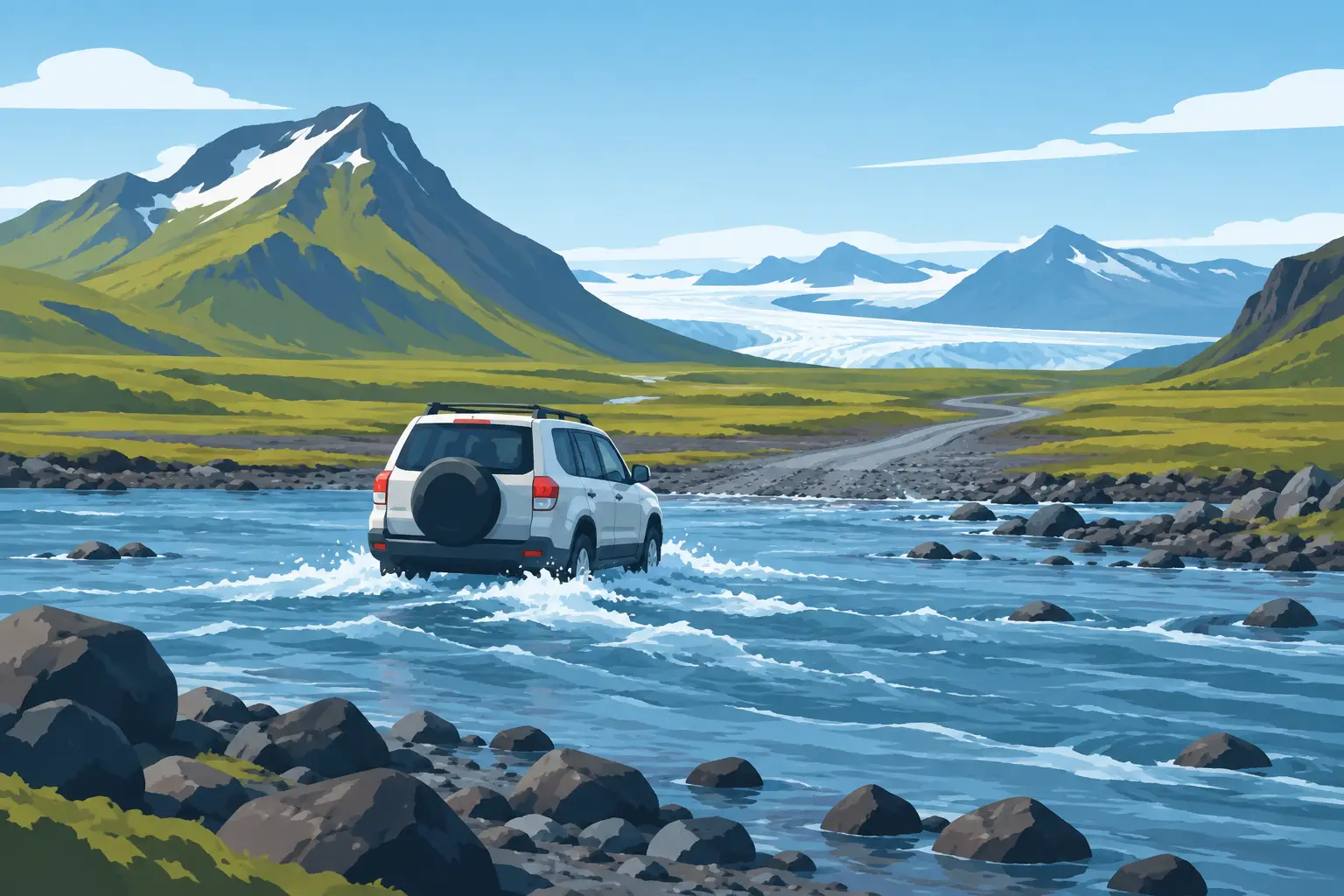
Heading into the Highlands changes the calculation. F-roads require the right 4×4 vehicle, and conditions, river crossings, and opening dates vary. Bring more food, water, warm layers, and a fully charged phone than you would for the Ring Road. Never treat a route description from last year as current advice.
The right gear does not make Iceland predictable. It gives you the freedom to enjoy it when the forecast shifts, the wind picks up, or an unplanned stop becomes the best part of the day. Pack light, pack for rain, and leave space for a change of plan.