A clear road at breakfast can be closed by lunchtime in Iceland. Wind builds, snow moves across a mountain pass, rivers rise, and conditions on exposed roads can change far faster than a printed itinerary can keep up with. So, are road closures updated daily? Usually, yes – but for a self-drive trip, checking once a day is not always enough.
If you are traveling in a 4×4 camper, the best plan is simple: treat road and weather information as part of your driving routine, not something to check only when you leave Reykjavik. A few minutes in the morning and another check before a long drive can save you from turning around in bad weather, waiting at a closure, or pushing into conditions that are not worth the risk.
Are Road Closures Updated Daily in Iceland?
Official road-condition services update closures and conditions throughout the day when new information is available. That means a road may be marked open in the morning, restricted later due to high wind or ice, then reopen after conditions improve. During unsettled weather, updates can arrive several times in one day.
Daily updates are useful for broad planning, especially when deciding whether to drive the Ring Road, head toward the Westfjords, or enter the Highlands. But they are not a guarantee that the road will look the same when you get there. A status map reflects the latest verified report, while the weather continues moving.
The practical answer is this: check road conditions before driving each morning, then check again if your route includes mountain passes, open coastal stretches, F-roads, or a weather warning. If visibility drops or the wind starts shaking the vehicle, slow down and reassess even if the road was open when you started.
Why Daily Updates Are Not Always Enough
Iceland is not difficult because every road is remote. It is difficult because the conditions can be local and changeable. You might have blue skies at your campsite and encounter fog, crosswinds, snow, or rain an hour later.
Winter is the clearest example. A route can remain technically open while being marked slippery, icy, snow-covered, or difficult to drive. That is not the same as a closure, but it should change your decision. An open road may still be a poor choice for an inexperienced driver, a tired traveler, or anyone trying to reach a fixed booking before dark.
Summer brings different variables. Highland roads may open gradually as snow melts and road crews assess them. Heavy rain can affect gravel roads and river crossings. Strong wind is possible in every season, especially on open sections of the south coast and in the east. Volcanic activity can also lead to temporary restrictions in specific areas.
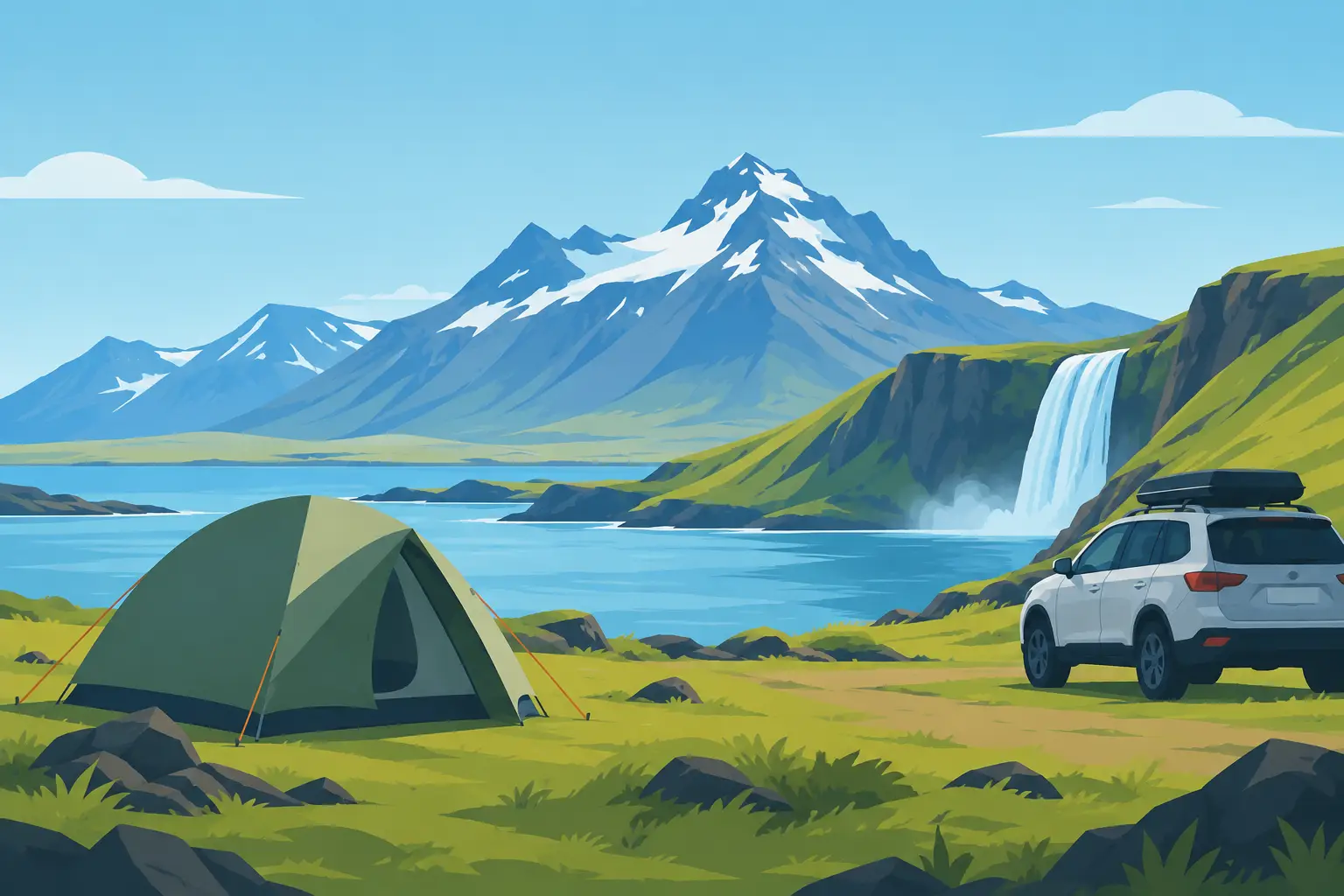
This is why a flexible camper trip works so well in Iceland. You do not need to force a long driving day just because a hotel reservation is waiting at the other end. You can adjust your direction, stay another night nearby, or take a slower route when conditions call for it.
Where to Check Before You Drive
Use official information first. The Icelandic Road and Coastal Administration road-condition map is the main source for closures, surface conditions, and road alerts. SafeTravel Iceland is also useful for travel warnings and safety notices. Pair both with the Icelandic weather forecast and wind forecast, because road status without weather context tells only half the story.
Do not rely only on a navigation app. Navigation tools are good at calculating distance, but they may suggest mountain routes, gravel roads, or routes that have changed since the map data was last refreshed. They also cannot judge whether a road is sensible for your experience level or your vehicle setup.
Local information helps when you are already on the road. Ask at a campground, gas station, visitor center, or shop if a nearby pass has been rough that day. This is especially useful in shoulder seasons, when a road may be open but conditions are still variable. Still, make the official road map your final check before setting off.
A Simple Road-Check Routine for Your Iceland Trip
Keep it simple. Before you pack up each morning, check your intended route, the roads around it, and the weather for the places you will actually drive through. A forecast for Reykjavik does not tell you much about a mountain pass in North Iceland.
Then consider the timing. A six-hour route on a dry summer day can become much longer with wind, gravel, low visibility, photo stops, or roadworks. Leave margin in your plan rather than treating the estimated driving time as a target.
Before a long stretch, check again at a gas station or while you still have reliable signal. This matters most when you are about to leave the Ring Road for a more isolated route. Download offline maps in advance, keep your phone charged, and do not assume coverage will be available everywhere.
Finally, make a Plan B. If a section closes, identify a nearby town, campground, or alternate sight that gives you a good day without a stressful detour. The best road trips in Iceland leave room for changes. You are here to see the country, not to win an argument with the forecast.
How to Read a Closure, Warning, or Road Condition
A full closure means do not drive the road. Barriers, signs, and instructions from authorities are there for a reason. Do not drive around a closed-road sign, even if the road looks passable from where you are standing. Conditions can worsen beyond the visible section, and emergency help may be far away.
A warning or difficult-condition label needs judgment. Check the type of hazard: wind, ice, snow, poor visibility, flooding, or loose gravel all require different responses. Wind deserves special attention in a camper or vehicle with a rooftop tent. Sudden gusts can affect steering and can catch car doors hard when you stop.
If the road is open but you are unsure, reducing your plan is often the smart move. Drive a shorter section, wait for a forecast window, or choose a lower-elevation alternative. There is no prize for reaching a waterfall in conditions that leave you tense for the rest of the day.
F-Road Closures and Highland Travel
F-roads require more than a quick look at a route planner. They are seasonal mountain roads, and opening dates vary each year based on snow, thaw, road inspections, and repairs. An F-road that opened last July may not be open on the same date this year.
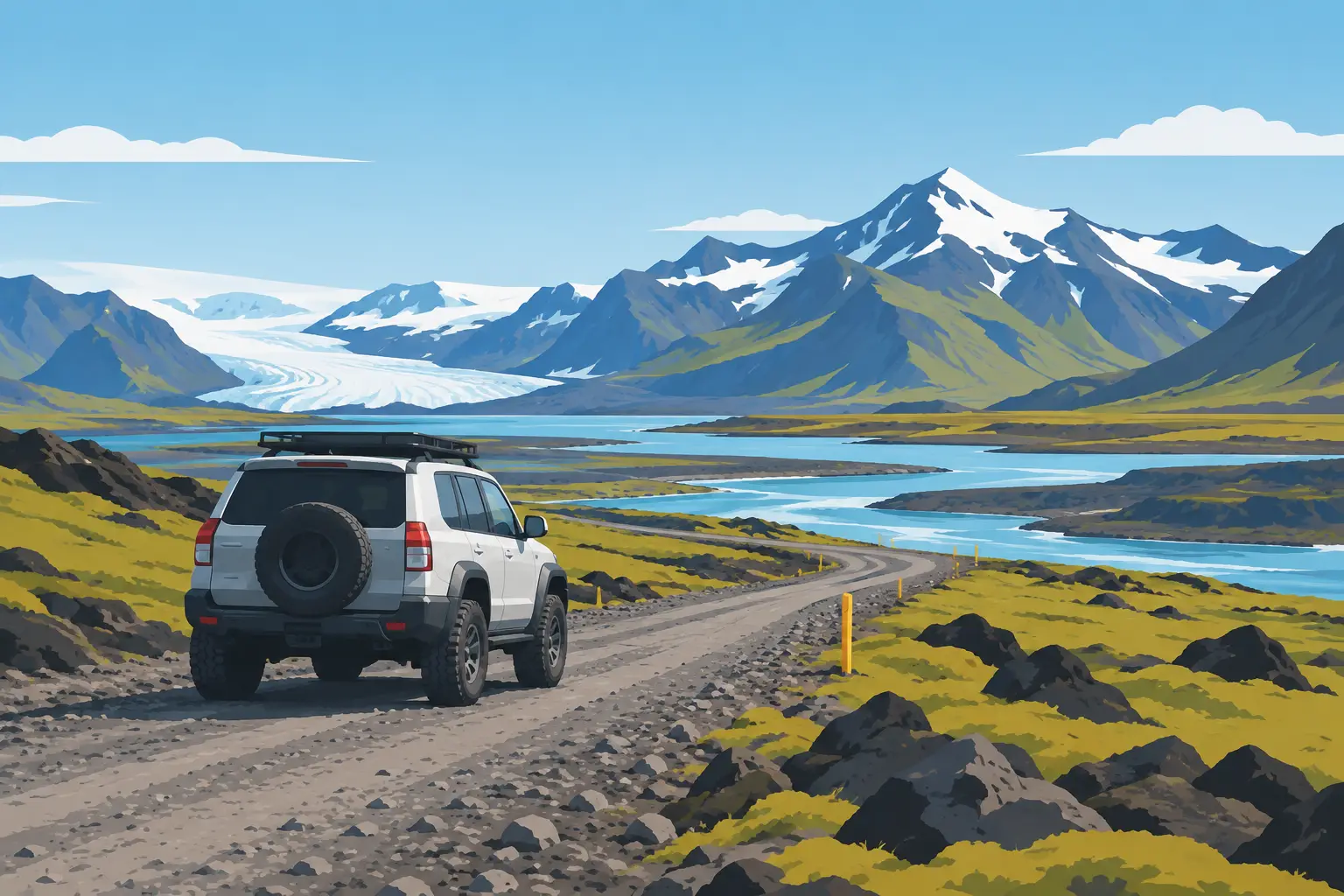
Even when an F-road is open, that does not mean every traveler should drive it. Some routes involve rough surfaces, steep terrain, narrow sections, and unbridged river crossings. A suitable 4×4 is required by law on F-routes, but vehicle capability is only one part of the decision. Driver confidence, current weather, passenger comfort, and river conditions matter too.
Never assume a river crossing is safe because another vehicle went through earlier. Water levels can change quickly, and the right approach depends on the specific crossing and your vehicle. If you do not know the route, do not have current information, or cannot assess the crossing confidently, turn around.
A practical 4×4 camper gives you freedom to explore when conditions are right. Black Sheep Campers is built around that kind of flexible travel, but freedom in the Highlands always works best with patience and good decisions.
What to Do When Your Route Changes
If you find a closure, do not make a rushed decision at the roadside. Pull over somewhere safe, review the official update, and check whether the closure affects your entire route or only one section. Sometimes the best detour is short. Other times, the right move is to change regions completely.
Tell someone in your group what has changed, especially if you had planned to meet elsewhere. Keep fuel above the level you think you need, particularly outside larger towns. A detour in Iceland can add far more kilometers than it appears to on a map.
If conditions become worse while you are driving, choose a safe place to stop rather than continuing simply because you are close. Do not stop on a narrow shoulder or block snow-clearing equipment. Find a town, service area, or established campground where you can wait comfortably and check for the next update.
Quick Questions Travelers Ask
Should I check closures every day in summer? Yes. Summer road conditions are generally easier, but wind, rain, construction, Highland openings, and localized closures can still affect your route. Check every morning and before committing to remote roads.
Can I drive if the road is open but marked slippery or difficult? You may be allowed to, but that does not automatically make it the right choice. Match the condition to your experience, daylight, vehicle, and weather forecast. When unsure, choose the easier route or wait.
Do road closures affect the Ring Road? They can. Route 1 is maintained and monitored, but winter storms, wind, flooding, and incidents can close sections temporarily. Do not assume the Ring Road is always a guaranteed through-route.
What if a closure ruins my itinerary? Let the itinerary change. Stay longer where you are, visit nearby sights, or take a route that is safe and open. Iceland rewards travelers who can adapt.
A road closure is not a failed day. It is a reminder to travel on Iceland’s terms: check the conditions, keep your plans flexible, and take the open road that still feels like an adventure.