A cracked windshield outside Vík or a sandblasted paint job on the South Coast can turn a cheap rental into an expensive memory. This Iceland vehicle insurance guide explains what coverage usually means, where the gaps can be, and how to choose protection that fits the roads you actually plan to drive.
Iceland is a straightforward place to road trip when you prepare for its conditions. Weather changes fast, gravel is common beyond the main routes, and wind can be stronger than many first-time visitors expect. The right insurance is not about buying every add-on without thinking. It is about knowing your route, reading the rental agreement, and avoiding the situations coverage may not protect.
Start With the Coverage Included in Your Rental
Every rental company sets its own terms, so your booking confirmation and rental agreement are the final word. Most Iceland rentals include mandatory third-party liability insurance. This generally covers damage or injury you cause to other people or their property, subject to the provider’s terms.
Many rentals also include Collision Damage Waiver, often called CDW. CDW reduces what you may have to pay if the rental vehicle is damaged, but it rarely means you have zero responsibility. There is usually an excess, also called a deductible, which is the maximum amount you could be charged for a covered damage claim.
For example, if your CDW excess is $2,000 and you damage the door in a covered incident, you may be responsible for up to that amount. The rental company or insurer handles the remaining eligible cost. A lower daily rental rate with a high excess can work well for confident travelers on paved routes. It may feel less comfortable if you are planning a longer trip through gravel areas or traveling during the shoulder seasons.
Read what is excluded before you collect the keys. In Iceland, exclusions often matter more than the name of the package.
Iceland Vehicle Insurance Guide: The Add-Ons That Matter
Optional protection is usually designed around Iceland’s most common rental-car risks. Whether it is worth adding depends on your itinerary, the season, your vehicle, and your appetite for financial risk.
Super CDW or excess reduction
Super CDW, sometimes called SCDW, normally lowers the excess on collision-related damage. It can be useful if you want more predictable costs, especially on a multi-week trip where small mistakes become more likely simply because you spend more time driving.
It does not automatically cover every kind of damage. Damage caused by prohibited driving, negligence, river crossings, or driving on closed roads may still be excluded. Lower excess is valuable, but it is not permission to take unnecessary risks.
Gravel protection
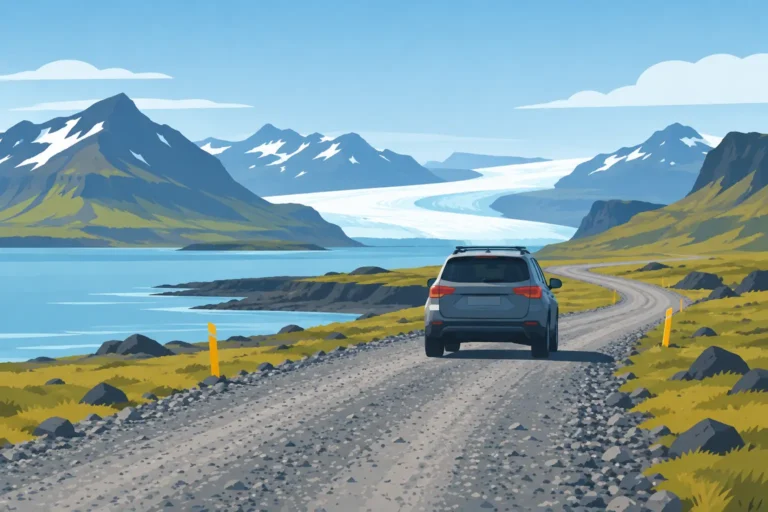
Gravel protection is one of the most practical options for Iceland. Loose stones can chip windshields, headlights, paint, and other exterior surfaces, particularly when another vehicle passes on a gravel road. Gravel roads are common around remote sights, in the Westfjords, and on routes leading away from the Ring Road.
Slow down when the pavement ends, leave plenty of space behind the vehicle ahead, and move carefully when passing. Insurance can reduce the financial hit, but driving calmly is the best protection for both your vehicle and everyone inside it.
Sand and ash protection
Sand and ash damage can be extremely costly because fine particles carried by strong winds can scour paint, glass, lights, and trim. This risk is most associated with exposed parts of the South Coast, especially in windy and dry conditions.
Sand and ash protection is worth serious consideration if your route includes the South Coast, particularly outside peak summer or when weather forecasts show strong winds. If a warning is issued, adjust your plans. Do not park in exposed areas just because the view is good, and do not drive into a windstorm to stay on schedule.
Theft protection
Theft protection may be included or offered separately. Iceland has a relatively low crime rate, but you should still lock the vehicle, keep valuables out of sight, and never leave cameras, bags, passports, or electronics in an unattended car. A broken window and lost travel documents are a hassle even if insurance covers part of the cost.
What Insurance Commonly Does Not Cover
This is where travelers need to be precise. Policies differ, but rental coverage commonly excludes damage to tires, wheels, the undercarriage, the roof, and interior components unless a specific policy says otherwise. Door damage from wind can also be excluded or subject to conditions.
Driving through rivers is another major issue. Water damage from river crossings is often excluded, even in a 4×4. F-roads can include unbridged rivers, and a four-wheel-drive vehicle does not make every crossing safe. Water depth, current, riverbed conditions, and your own experience all matter. If you are not fully confident, turn around or choose another route. There is no viewpoint worth a flooded engine.
Other common exclusions include driving off marked roads, driving on closed roads, using the wrong fuel, allowing an unauthorized driver to drive, or driving while impaired. Iceland’s roads and landscapes are protected for good reason. Off-road driving is illegal and can lead to serious damage, fines, and costs that insurance will not cover.
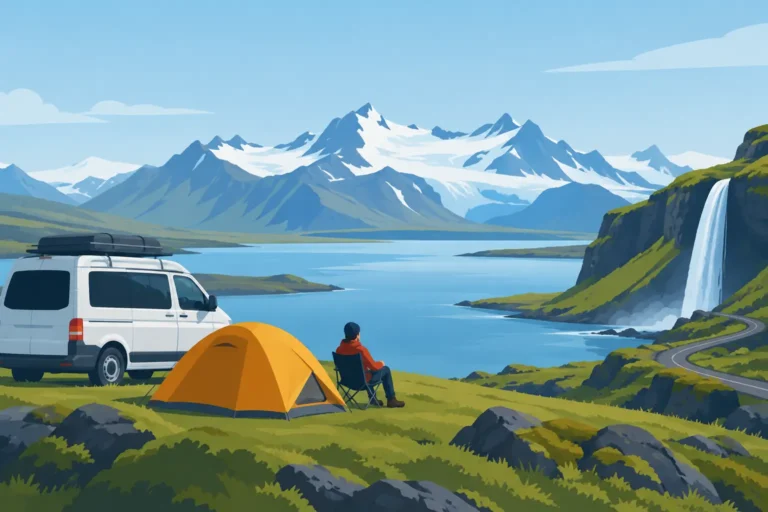
For rooftop tent and camper travelers, check how the agreement treats equipment damage. Camping gear, tent components, and items inside the vehicle may have different rules from the vehicle itself. Take a few minutes at pickup to understand what is included and what you are responsible for.
Match Your Insurance to Your Iceland Route
A simple Ring Road trip in summer usually presents different risks than a Highlands itinerary. If you plan to stay mainly on paved roads, visit popular stops, and drive in stable summer conditions, basic included coverage plus a manageable excess may be enough for your budget.
If your trip includes gravel routes, remote regions, or the South Coast in a windy season, gravel and sand protection can provide real peace of mind. For Highlands travel, choose a suitable 4×4, confirm which F-roads are permitted by your rental provider, and understand every exclusion before leaving pavement.
Black Sheep Campers is built for travelers who want a practical 4×4 camping setup without being tied to a fixed itinerary. Even with the right vehicle, however, route planning and weather awareness come first. Road conditions decide what is sensible on a given day, not the original plan on your phone.
Before You Drive: Five Minutes That Can Save You Money
At pickup, inspect the vehicle in daylight if possible. Photograph the exterior, windshield, wheels, interior, and any existing marks. Make sure the condition report reflects anything you find, even if it looks minor. This is not about expecting a problem. It is a simple habit that keeps the handoff clear for everyone.
Ask about the excess amount, what each protection option covers, and whether there are special restrictions for F-roads, river crossings, tires, wind damage, or camping equipment. Confirm who is allowed to drive and make sure every driver is listed on the agreement.
Before heading out each day, check the weather and road conditions. Wind warnings deserve as much attention as snow or ice warnings. When opening a door in strong wind, hold it firmly with both hands and park facing a direction that gives the wind less leverage. A single gust can damage a door hinge in seconds.
Keep the Road Trip Flexible
The best insurance decision is usually a balanced one: enough protection that an unexpected chip or scrape will not ruin your trip, plus enough understanding that you do not rely on coverage where it may not apply. Choose for the route you want to drive, not just the lowest daily price.
Then give yourself room to change plans. Slow down on gravel, respect closures, avoid exposed areas during severe wind, and skip any river crossing that does not feel clearly safe. Iceland rewards travelers who leave a little space in the schedule for the conditions to lead the way.