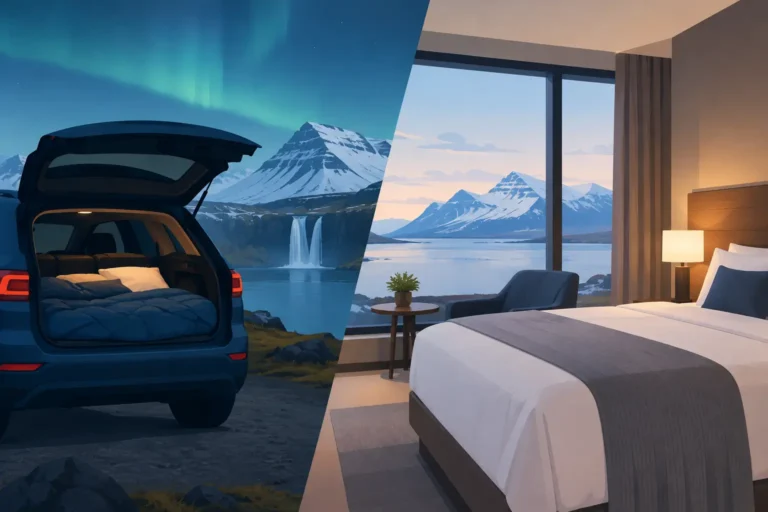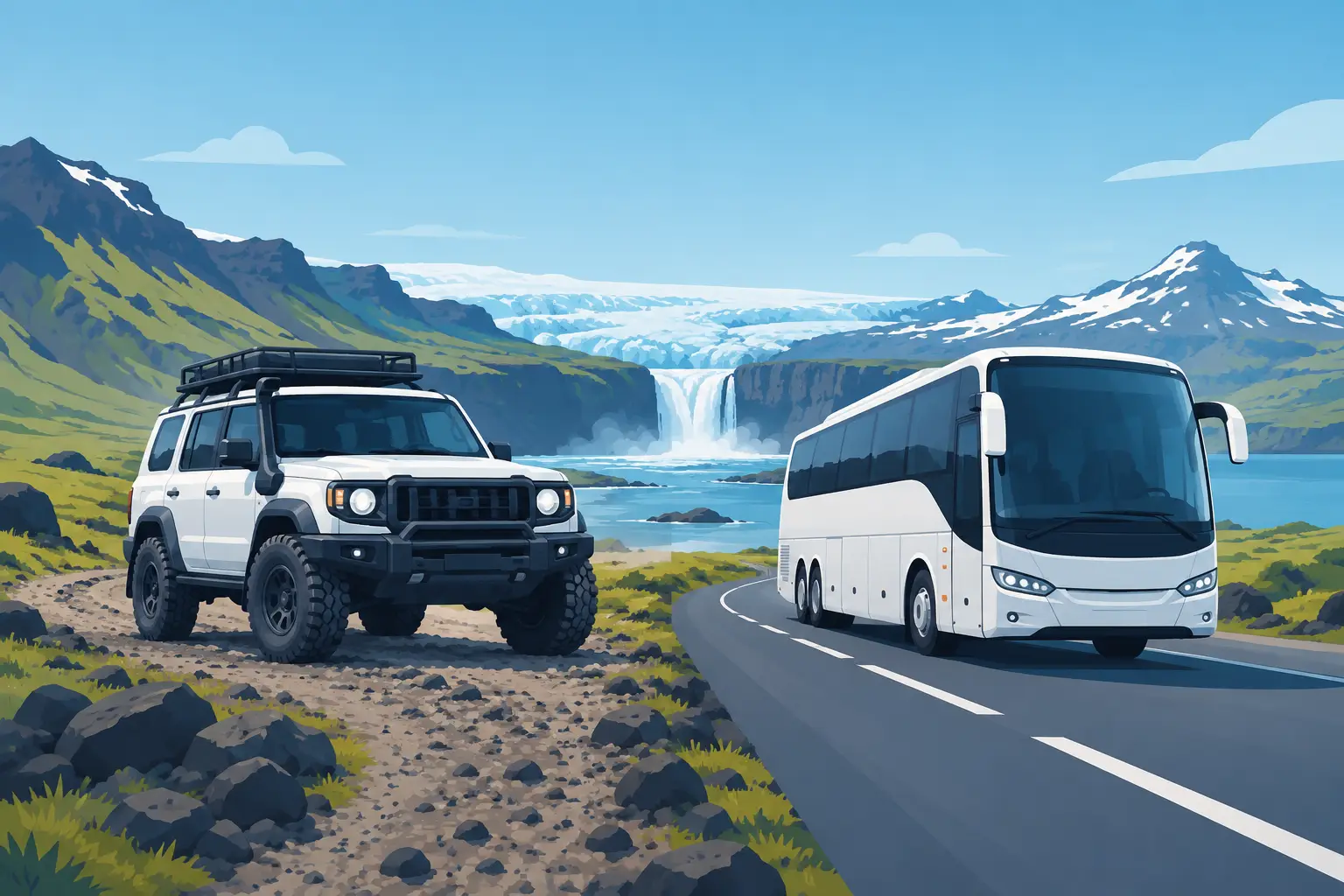
A waterfall does not care whether you arrive at 9:00 a.m. with 40 other people or at 10:30 p.m. when the light turns soft and the parking lot is nearly empty. That difference sits at the heart of choosing a 4×4 car versus tour bus in Iceland. One gives you a route and a timetable. The other gives you a key, a map, and the responsibility to make good decisions along the way.
Neither option is automatically better. A tour bus can be the simplest choice for travelers who want local guidance and zero driving. A 4×4 camper suits people who want to linger at a black-sand beach, take a detour when the weather changes, or wake up close to tomorrow’s first stop. The right choice depends on how you want Iceland to feel.
4×4 Car Versus Tour Bus: The Real Difference
A tour bus is built around convenience through structure. You book a day tour or a multi-day itinerary, meet at the assigned place, and let someone else handle the roads, weather checks, parking, and navigation. For a short visit or a first-time traveler who does not want to drive in unfamiliar conditions, that can be a genuine relief.
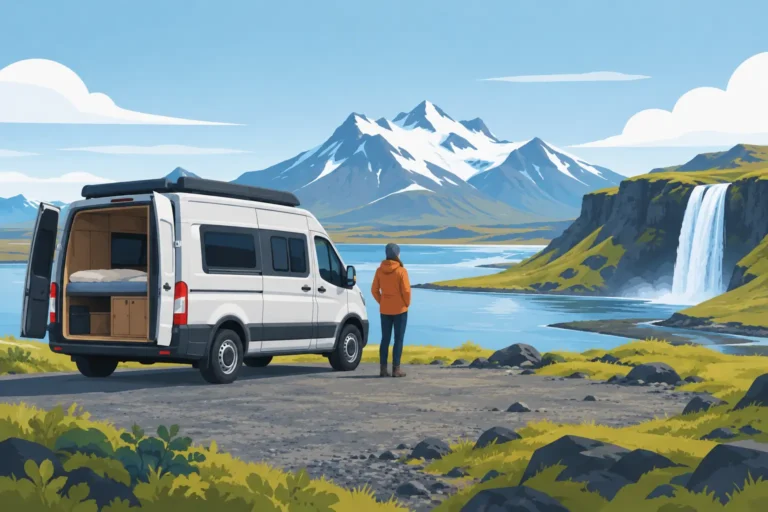
A 4×4 camper is built around convenience through independence. Your transportation, sleeping setup, and core camping equipment travel with you. You decide when to leave, where to stop, and whether a place deserves 20 minutes or an entire afternoon. With 24/7 self-service pickup and return, Black Sheep Campers also removes the usual rental-counter schedule. No queues. No waiting. No need to reshape your flights around office hours.
The trade-off is clear: freedom requires planning. You need to check road conditions, follow weather alerts, understand where your vehicle is allowed to go, and book campsites as needed. Iceland rewards independent travel, but it also expects travelers to use common sense.
When a Tour Bus Makes More Sense
A tour bus is often a smart fit if driving is the part of the trip you would rather avoid. Icelandic weather can shift quickly, and winter driving, strong winds, limited daylight, and icy roads are not the place to build confidence for the first time.
It is also useful for travelers who only have a day or two. A guided Golden Circle, South Coast, or northern-lights tour can cover major sights without the cost and logistics of a rental vehicle, fuel, camping gear, and overnight stays. Solo travelers may find individual day tours more economical than renting a vehicle alone, especially on a very short trip.
Guides add value beyond transportation. A good guide knows when a road closure changes the plan, where conditions are deteriorating, and how to explain the landscape you are looking at. If your priority is learning as much as possible without making many decisions, that structure can be worth the fixed schedule.
The limitation is that the day belongs to the group. Stops have time limits. You may spend longer than you want at one attraction and less time than you want at another. If the weather clears over a mountain pass or you find a quiet beach you love, the bus still leaves when it leaves.
Why a 4×4 Camper Changes the Trip
A 4×4 lets you travel according to conditions rather than a brochure. If rain settles over Vik, you can continue east. If the forecast looks better on the Snaefellsnes Peninsula tomorrow, you can stay put today. That flexibility matters in Iceland, where weather is part of the journey rather than a minor detail.
The biggest practical advantage is combining your travel needs in one setup. Instead of paying separately for a rental car, hotel rooms, restaurant meals at every stop, and luggage transfers, you carry your accommodation and cooking basics with you. A rooftop tent or sleep-in-the-back camper keeps the setup simple while giving you more control over your overnight plan.
A 4×4 is especially useful for travelers who want access to Iceland’s rougher roads during the appropriate season. Many Highland routes are F-roads, which require a 4×4 vehicle. These roads can involve loose gravel, steep sections, rough surfaces, and river crossings. They are not casual shortcuts, and they are not always open. Always check current road conditions and confirm which roads are permitted under your rental agreement.
That last point matters: a 4×4 gives you capability, not permission to take unnecessary risks. Never drive off-road. It is illegal, damages fragile nature, and can lead to serious costs. Use marked roads, respect closures, and turn back if conditions exceed your experience or the vehicle’s limits.
The value of stopping when you want
The best moments on an Iceland road trip are often unplanned. A patch of sunlight over a glacier, a roadside hot spring, a flock of sheep blocking the lane, or a trail you notice just before sunset can become the memory you talk about later.
A bus itinerary can show you Iceland’s highlights. A self-drive trip gives you room between the highlights. That space is where independent travelers usually get the experience they came for.
Comparing Cost Without Guesswork
The cheapest-looking option is not always the lowest total cost. Tour prices are easy to understand upfront, but several day tours can add up quickly. Add hotel nights, airport transfers, meals, and baggage needs, and a guided trip can become more expensive than expected.
With a 4×4 camper, calculate the full trip rather than the nightly vehicle rate alone. Include the rental, fuel, campsites, food, insurance options, and any activities you plan to book. Then compare that total against tours plus accommodation. Couples and small groups often find that sharing one fully equipped camper provides strong value, particularly on trips of five days or more.
Season changes the equation. Summer brings more campsite choices, longer daylight, and access to many Highland areas once roads open. It is also the busiest period, so book vehicles and popular campsites early. Winter can offer lower demand and northern lights, but driving requires more caution, and camping options are more limited. If you are unsure about winter conditions, guided travel may be the more comfortable choice.
Unlimited mileage also matters on a self-drive trip. Iceland looks compact on a map, but distances grow quickly when you add detours, scenic routes, and weather-related changes. Knowing that every extra kilometer will not add to your bill makes it easier to follow the road that looks more interesting.
Comfort Is More Than a Seat
Tour buses offer a warm seat, a driver, and no campsite setup. That is hard to beat after a long flight or during a day of heavy rain. You can look out the window instead of watching the road, and you do not need to think about packing up before moving on.
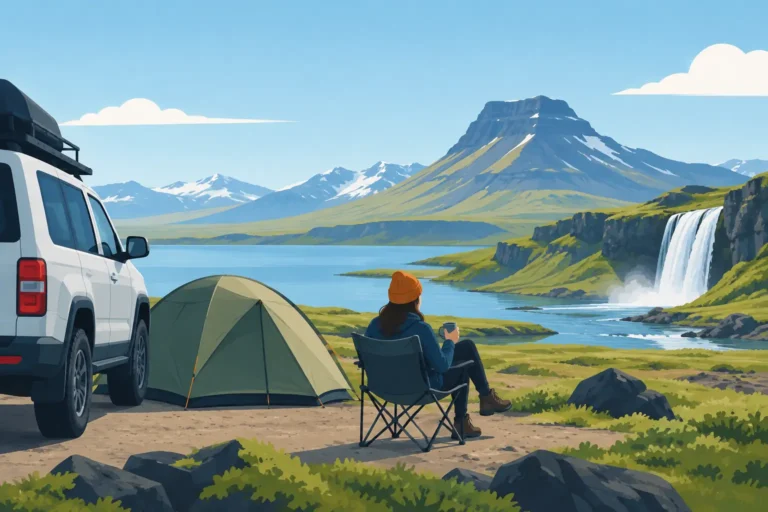
A camper asks for a little more participation. You will organize your gear, cook or prepare food, and sleep outdoors in a country known for wind. But practical camping setups are not about roughing it for the sake of it. They are about waking up closer to nature and avoiding the daily check-in, check-out, and repacking routine.
For many travelers, the comfort question comes down to priorities. If comfort means a hotel room and someone else driving, choose the bus. If comfort means having your own space, your own pace, and no pressure to reach a hotel before dark, choose the 4×4 camper.
Choose Based on Your Travel Style
Choose a tour bus if you have limited time, do not want to drive, are visiting in challenging winter conditions, or prefer a guide to handle the logistics. It is a straightforward way to see key places with less responsibility.
Choose a 4×4 camper if you want to explore beyond a fixed itinerary, camp legally at designated campsites, cook some of your own meals, and adjust your route around the weather. It works best for travelers who see driving as part of the adventure, not time lost between attractions.
There is also a middle ground. Rent a 4×4 camper for most of your trip, then book a specialist tour for an activity that requires a guide, such as glacier hiking or ice-cave exploration. You keep the freedom of the road trip while getting expert support where it matters.
Iceland does not need to be rushed. Leave room in your plan for a closed road, an extra night somewhere beautiful, and the moment you decide not to move on just yet.