Your Iceland vehicle determines more than how you get from the airport to your first waterfall. It decides where you can sleep, which roads are realistic, how much you carry, and how freely you can change plans when the weather does. To choose an Iceland camping vehicle well, start with your actual route and travel style, not the most dramatic photo of a tent in the Highlands.
A camping vehicle should make your trip simpler. Transport, accommodation, and essential camping gear work together in one setup, so you can keep moving when a place is worth an extra night. The right choice is the one that fits the roads you plan to drive, the season you visit, and how much comfort you need after a long day outside.
Choose an Iceland Camping Vehicle for Your Route
The first question is not rooftop tent or sleep-in-the-back setup. It is where you want to go.
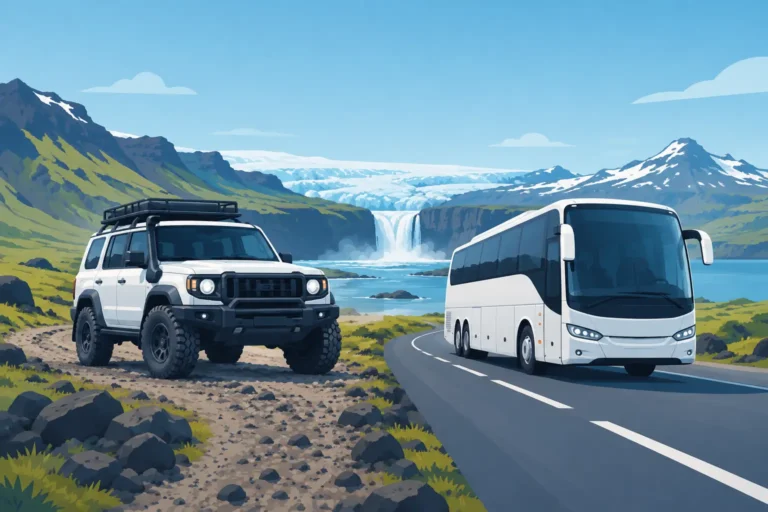
For a Ring Road trip, the Golden Circle, Snæfellsnes, the South Coast, and most well-maintained gravel roads, a 4×4 gives you useful confidence in changing conditions without making the trip complicated. Icelandic weather can shift quickly, and gravel, wind, rain, and rougher access roads are common even outside the Highlands. A compact 4×4 also makes it easier to pull into viewpoints, campsites, and smaller parking areas than a large motorhome.
If the Highlands and marked F-roads are part of your plan, a capable 4×4 is essential. F-roads are mountain roads with uneven surfaces, steep sections, loose gravel, and, in some cases, river crossings. They open only seasonally, often from summer into early fall, and conditions can change fast. Never assume a road is open or suitable just because it appears on a map. Check current road conditions and follow the vehicle rental rules for the specific route.
A 4×4 does not make every F-road appropriate, and it does not make river crossings risk-free. Water levels change with rain, temperature, and time of day. If you are inexperienced, choose Highland routes without crossings or change the plan. Turning back is part of traveling responsibly in Iceland.
Rooftop Tent or Sleep-in-the-Back Camper?
Both options give you the freedom to camp, but they suit different priorities.
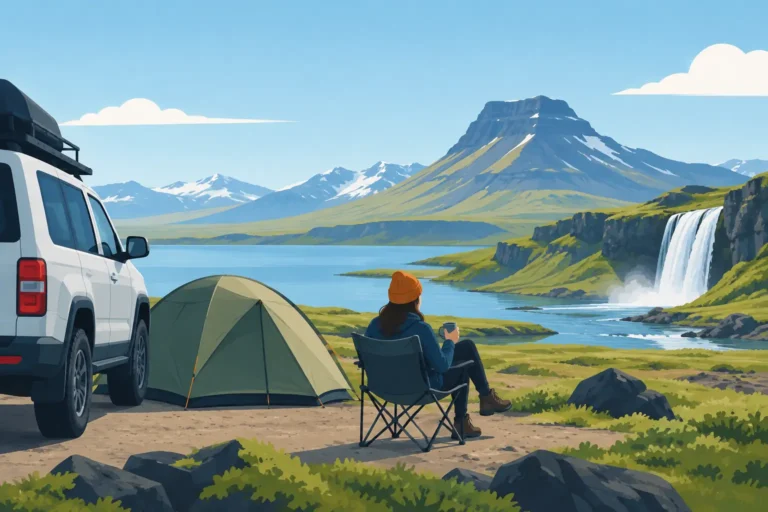
A rooftop tent is a strong choice for couples and travelers who want a classic camping feel with a clear separation between driving and sleeping. At the campsite, you park, open the tent, and sleep above the ground. The elevated sleeping area can feel dry, comfortable, and pleasantly removed from uneven terrain. It also leaves the vehicle interior available for bags, food, and daytime gear.
The trade-off is that you need to set up and pack down the tent whenever you move camp. It is a straightforward routine, but it matters if you change locations every morning or arrive late in wind and rain. Rooftop tents are best for travelers who enjoy being outdoors and do not mind a few practical steps at the beginning and end of each day.
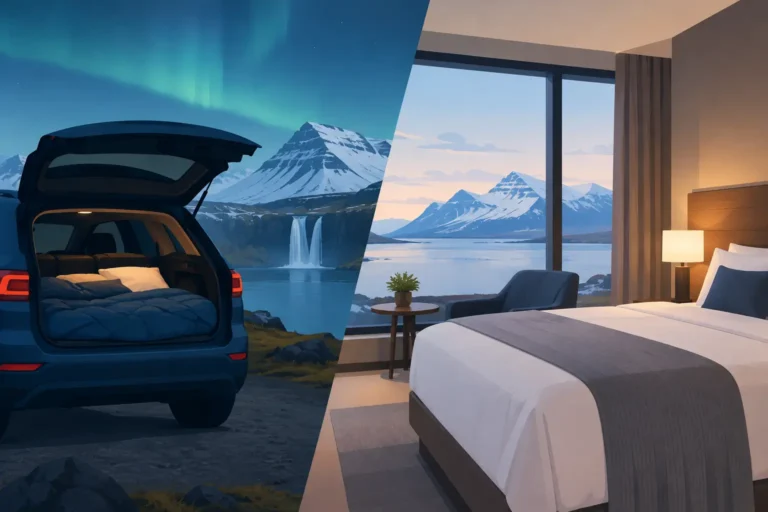
A sleep-in-the-back camper is usually the easiest option for a fast-moving road trip. You can park at a campsite, organize the front seats or rear sleeping space, and settle in without climbing a ladder or unfolding a tent. It is particularly appealing in shoulder seasons, during rainy stretches, or for travelers who want the simplest possible overnight setup.
The trade-off is interior space. Sleeping inside a compact 4×4 is cozy rather than spacious, and you need to stay organized. For two people traveling light, that can be exactly right. For travelers bringing large suitcases, extensive camera gear, or a lot of cooking equipment, a rooftop tent may provide more flexibility.
Match the Vehicle to Your Season
Iceland is not one driving season. A vehicle that feels ideal in July may not be the most comfortable choice in April or October.
Summer brings long daylight hours, open campsites, and the best chance of Highland access. It is the natural season for rooftop tent travel, longer hikes, and spontaneous route changes. It can still be cold, wet, and windy, especially at night. Pack warm layers and expect campsite conditions to vary.
Spring and fall offer fewer crowds and changing colors, but weather can be more unpredictable. A sleep-in-the-back setup can be appealing when you want to get out of the wind quickly. It also helps to keep your itinerary flexible, because a storm may make one region less appealing for a day or two.
Winter requires the most caution. Daylight is limited, roads can be icy, and Highland F-roads are closed. Your focus should be on safe main-road travel, current forecasts, and enough time between stops. A camping vehicle can still work for the right traveler, but do not choose it solely for the lowest price. Choose it because you are prepared for winter driving and a more weather-led itinerary.
Think About Daily Living, Not Just Driving
A good camping trip is built around small practical decisions. Where will wet jackets go? Can you make breakfast without unpacking half the car? Will you be comfortable after a wet hike? These questions are more useful than comparing vehicle specifications alone.
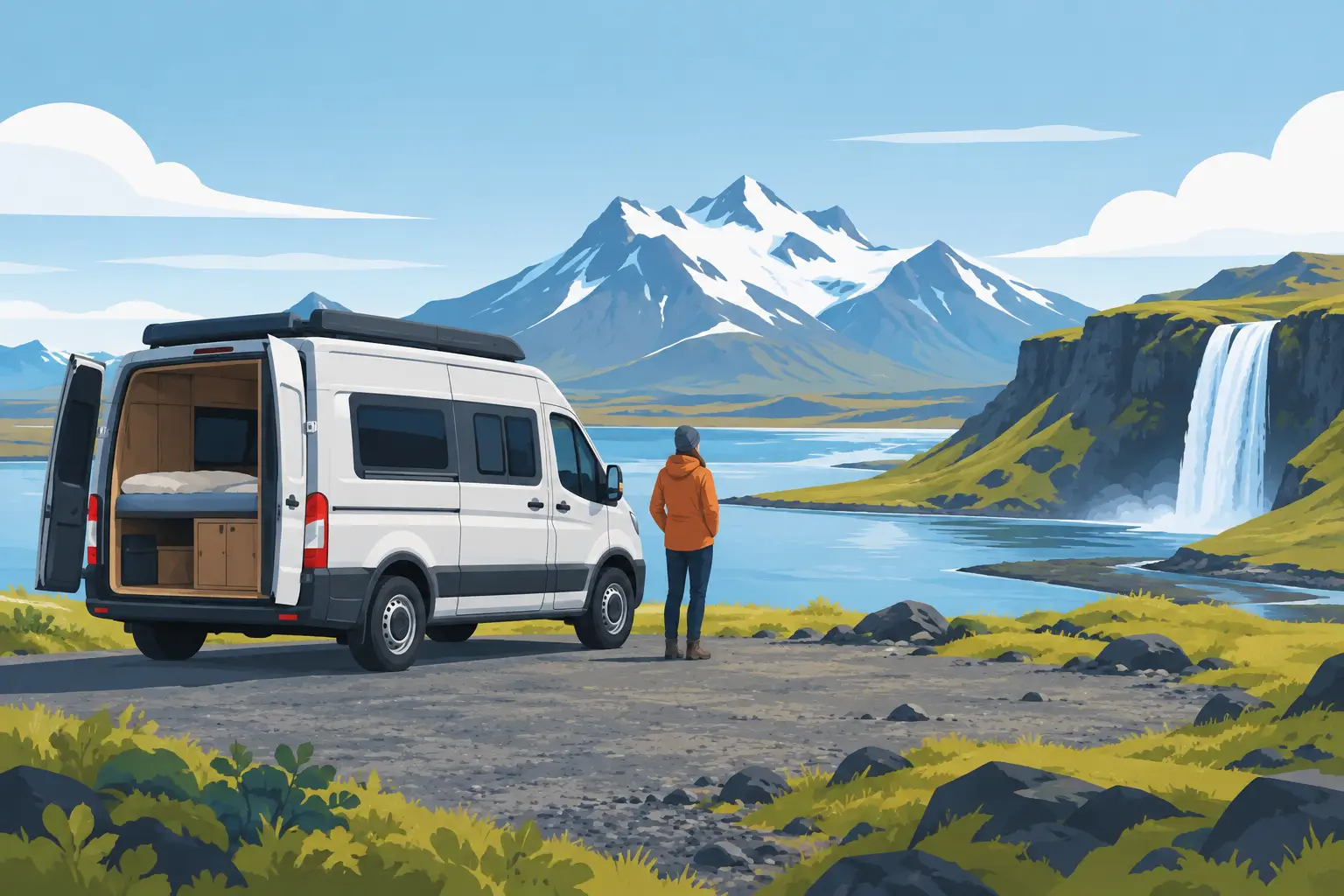
For a couple, a compact 4×4 camper is often a smart balance of fuel use, road capability, and easy parking. You will not have the living space of a large campervan, but you gain flexibility on narrow roads and in busy destinations. Iceland rewards that flexibility.
Before booking, check exactly what camping equipment is included. A useful setup should cover the basics for sleeping, cooking, and eating, so you do not need to buy supplies immediately after arrival. Also look for transparent terms on mileage, insurance options, roadside support, and pickup. Unlimited mileage matters when a detour to better weather adds several hours to your route.
Black Sheep Campers keeps the process practical with equipped 4×4 camping vehicles and 24/7 self-service pickup and return. That means no rental-counter queue and no need to shape your flight schedule around office hours. You can start the road trip when it works for you.
Be Honest About How You Like to Travel
Some travelers picture themselves moving every day, covering the Ring Road in a week. Others want to stay two or three nights in the same region, hike, soak in a hot spring, and wait for clear views. Both trips work, but they call for slightly different choices.
If you want to cover ground quickly, prioritize quick sleeping setup, easy packing, and a vehicle you are comfortable driving in wind. If you prefer slower travel and longer campsite stays, a rooftop tent can make camp feel like part of the experience rather than just a place to sleep.
Do not book a vehicle for routes you may never drive. A fully capable 4×4 is valuable if you genuinely plan to use rougher roads or want the confidence to adapt to conditions. But if your trip is mainly paved sightseeing in summer, comfort, sleeping layout, and budget may matter more than maximum off-road ability. Iceland’s legal roads are the adventure. Off-road driving is illegal and damages fragile landscapes.
A Simple Check Before You Book
Make sure your choice works for your passenger count, luggage, season, planned roads, and comfort level. Then leave room for reality. Weather may reroute you, a favorite campsite may convince you to stay longer, or a quiet fjord may become the best part of your trip.
The best Iceland camping vehicle is not the biggest or the toughest on paper. It is the one that lets you travel independently, sleep comfortably, and change plans without turning every decision into a problem. Keep it simple, respect the conditions, and leave enough space in the itinerary for Iceland to surprise you.