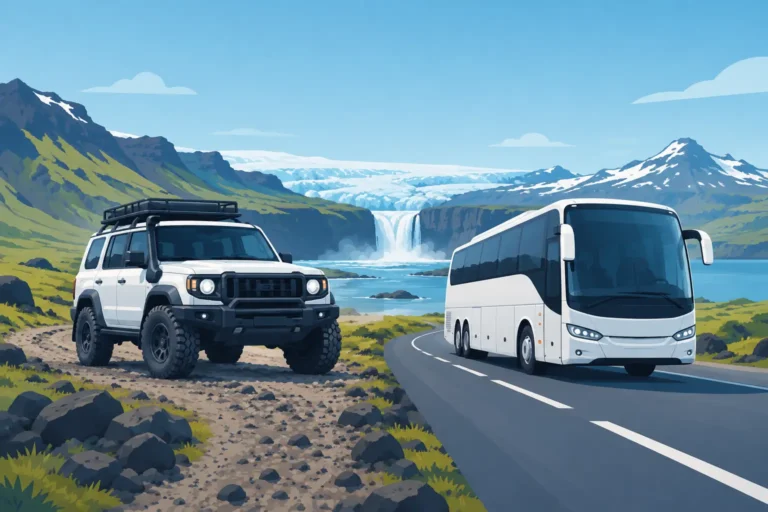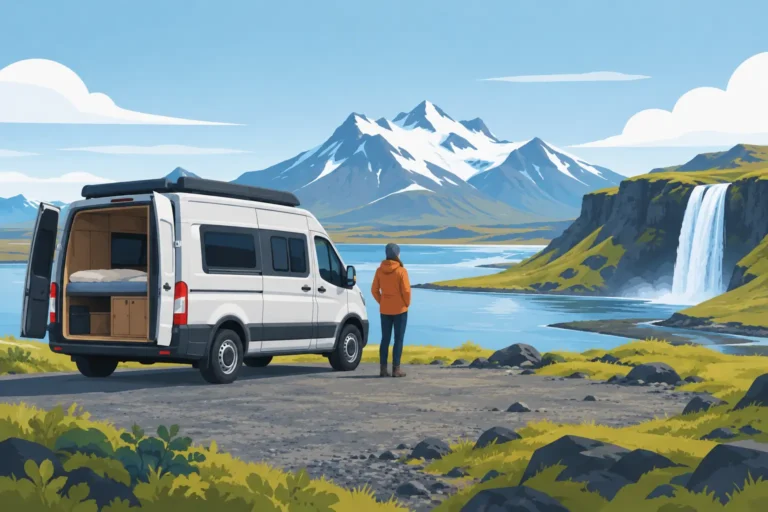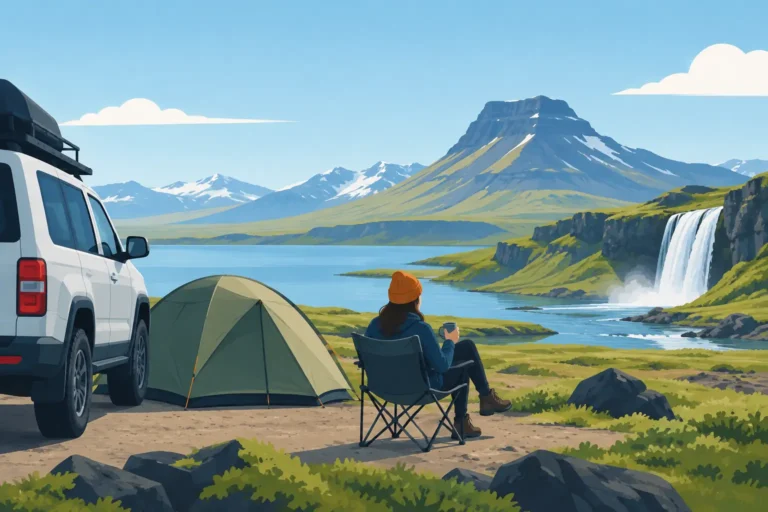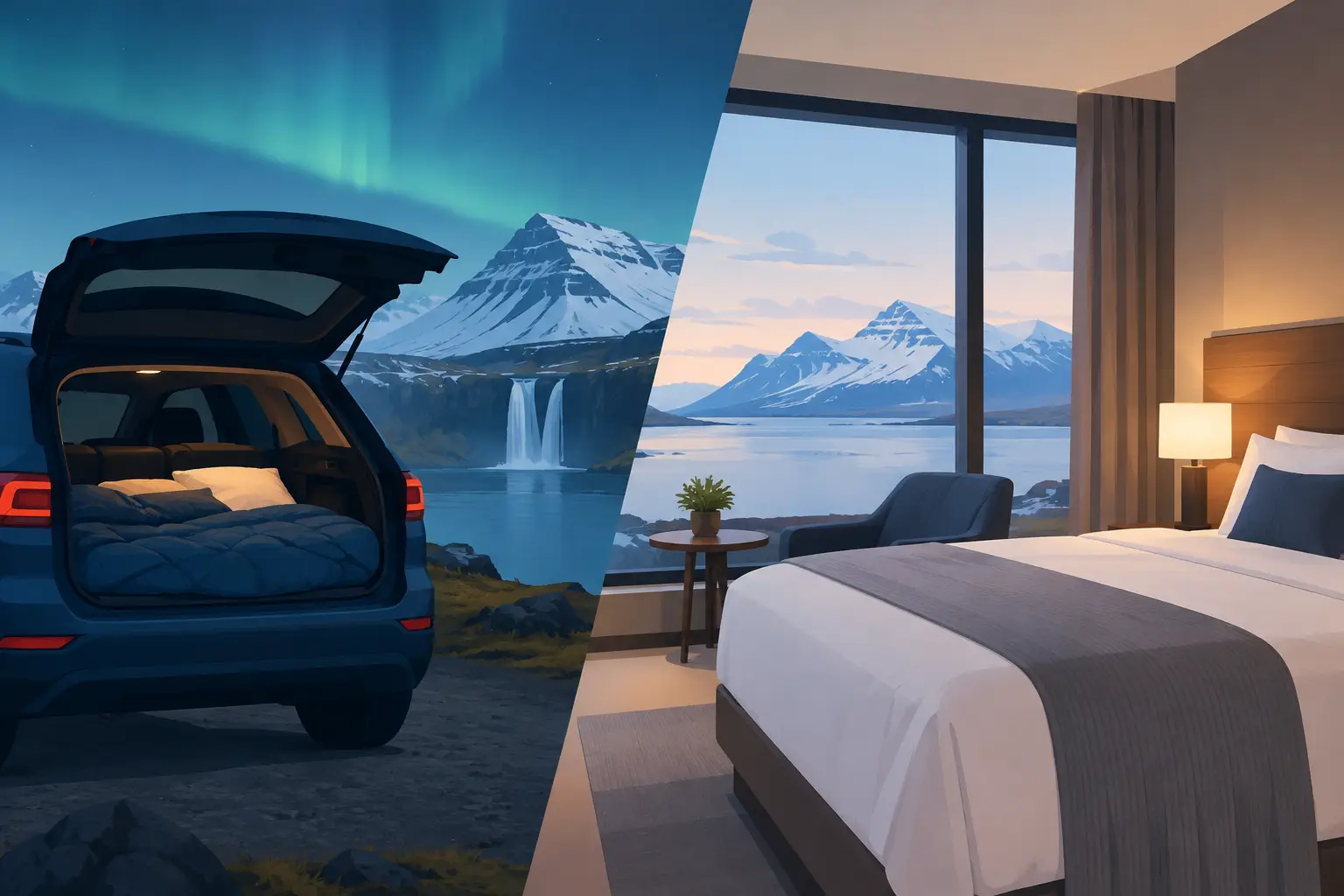
A late sunset, an empty stretch of coast, and a waterfall you did not plan to stop for can quickly change your route in Iceland. That is where the sleeping in car versus hotel decision becomes more than a budget question. It decides how much of the country you can experience on your own terms.
Hotels offer a warm room and a fixed base. A properly equipped 4×4 camping vehicle combines your transport and accommodation, so you can travel farther between overnight stops and adjust plans when weather, road conditions, or a great trail changes the day. Neither option is automatically better. The right choice depends on how you want to travel, when you are visiting, and how much comfort you need after a long day outside.
Sleeping in Car Versus Hotel: The Real Cost
A hotel room can make sense when you want a predictable place to sleep and do not want to think about cooking, bedding, or campground facilities. But Iceland hotel prices can rise quickly in summer, particularly around popular stops on the South Coast, Golden Circle, Snæfellsnes Peninsula, and near Reykjavík. Booking several separate stays also means your route is often set long before you arrive.
Sleeping in an equipped camping vehicle usually brings the daily cost down because one booking covers both your vehicle and where you sleep. You still need to budget for fuel, campground fees, food, showers where applicable, and optional activities. The saving is not simply “free accommodation.” It is the ability to avoid paying for a rental car and a hotel room separately while keeping your route flexible.
There is a practical trade-off. A hotel price is easy to understand at first glance. A camping trip needs a realistic budget that includes campground nights and groceries. For couples or two friends traveling together, the combined vehicle-and-sleeping setup can be particularly good value. For a solo traveler who prefers private bathrooms and restaurant meals every night, a small guesthouse or hotel may be worth the extra cost.
What You Get Back: Flexibility
Hotels work best with a fixed itinerary. You check in at a particular property, then drive back to it or move to the next reserved stop. That is comfortable, but it can turn a road trip into a schedule of arrival times.
With a sleep-in-the-back car or rooftop tent vehicle, your plan can stay loose. If rain closes in around Vík, you can continue toward a clearer forecast. If you want longer at a hot spring, a canyon, or a quiet beach, you do not have to leave early to reach a hotel check-in. You can choose a campground nearby and settle in when the day is actually done.
That freedom matters in Iceland because conditions change. Wind can alter your plans, road conditions can slow your drive, and a short route on a map can take longer than expected once you begin stopping for views. Unlimited mileage and a 24/7 self-service pickup and return remove more of that pressure. No rental counter timetable. No need to build the first or final day around office hours.
Flexibility does not mean ignoring planning. In peak season, check campground opening dates and facilities before heading into remote areas. In the Highlands, F-roads are seasonal and conditions vary. Always use current road and weather information, and choose routes that match both the vehicle and your driving experience.
Comfort: Be Honest About What You Need
A hotel gives you insulation, a private bathroom, a reliable shower, and usually more space to spread out. After a wet hike or a long winter drive, those things have real value. If you are visiting in the colder months, traveling with a lot of luggage, or need to work during your trip, a hotel can make the journey easier.
Camping in a vehicle is comfortable in a different way. You wake close to the places you came to see, cook a simple meal without searching for a restaurant, and keep your gear with you. A well-prepared setup should include a proper sleeping arrangement, bedding, cooking equipment, and the everyday essentials that prevent the trip from becoming a logistics exercise.
The biggest difference is routine. At a campground, you may use shared showers, kitchens, and restrooms. You will need to pack down or organize the vehicle each morning. A rooftop tent also involves opening and closing the tent, while a sleep-in-the-back setup can be quicker at the end of a tiring day. Neither is difficult, but both ask for a little participation.
Think about your travel style, not just the photos. If you like simple meals, early starts, and being outdoors from morning to night, camping often feels like a better fit than a compromise. If your ideal evening includes a long private shower, room service, and no setup at all, choose hotels or mix hotels into your route.
Iceland Camping Rules Are Part of the Decision
You cannot simply park anywhere and sleep for the night. Iceland has rules designed to protect land, private property, and sensitive nature. Travelers should stay at designated campgrounds unless they have clear permission from a landowner where that is allowed. A scenic pullout, beach parking area, or trailhead is not an overnight campsite.
This is one reason an equipped camping vehicle is not a shortcut around responsible travel. It is a practical way to move independently while using the infrastructure intended for overnight guests. Campgrounds also provide facilities that make the trip more comfortable, including restrooms, showers, waste disposal, and sometimes cooking areas or laundry.
Treat the landscape carefully. Stay on marked roads and established tracks, never drive off-road, and leave no waste behind. Iceland’s moss, volcanic soil, and highland terrain can take years to recover from damage. A good road trip leaves the place looking like you were never there.
When a Hotel Is the Better Choice
A hotel is often the right answer for a short city break in Reykjavík, a winter trip focused on comfort, or a special occasion where you want to slow down. It is also useful if you are arriving on a late flight and do not want to organize your first night, or if severe weather makes a fixed indoor base more reassuring.
Hotels suit travelers who want structure. You can reserve restaurants, plan daily excursions from one location, and end each night with the same familiar comforts. For families with very young children or travelers with limited mobility, that predictability can outweigh the extra freedom of a camping vehicle.
There is also no rule that says you must choose one style for the entire trip. Many travelers spend their arrival or departure night in a hotel, then use a camping vehicle for the road-trip portion. This works well if you want time in Reykjavík without paying hotel prices every night around the island.
When Sleeping in a Car Makes More Sense
Choose a camping vehicle when the journey itself is the main event. It is a strong option for couples, solo travelers, and small groups who want to chase good weather, take detours, and spend more time beyond the busiest visitor hubs. It can also make a longer Iceland itinerary easier to afford without stripping the trip down to the basics.
A 4×4 setup adds another layer of capability for travelers planning suitable gravel routes or seasonal Highland travel. It does not make every road safe or open, and it never replaces sound judgment. Check conditions every day, respect closures, and do not attempt routes outside the vehicle’s approved use or your comfort level.
Black Sheep Campers is built around that practical middle ground: a fully equipped 4×4, a place to sleep, and the freedom to begin when your flight schedule allows. Keep it simple. Drive, explore, stay at proper campgrounds, and change the plan when Iceland gives you a better one.
Make the Choice Before You Book
Ask yourself a few straightforward questions. Do you want to reserve each night months in advance, or decide where to stop after seeing the day’s weather? Are private bathrooms essential, or are campground facilities fine? Will you be happiest spending evenings in restaurants, or cooking simple meals near your next hike? And are you traveling in a season where your comfort needs lean more strongly toward a hotel?
The best Iceland trip is not the one with the most stops on a spreadsheet. It is the one that gives you enough time and freedom to stop when the road, the light, or the weather tells you to.