A loose door in a coastal windstorm, a chipped windshield behind a gravel truck, or one bad decision at a river crossing can turn a great road trip into an expensive problem. The good news: it is very possible to avoid Iceland rental damage without driving like the trip is a test. You just need to understand what Iceland’s roads, weather, and open landscape ask of you.
Iceland is made for independent travel, but it rewards calm decisions. Give yourself time, use the right roads for your vehicle, and treat every stop as part of the drive. Keep it simple.
How to Avoid Iceland Rental Damage Before You Drive
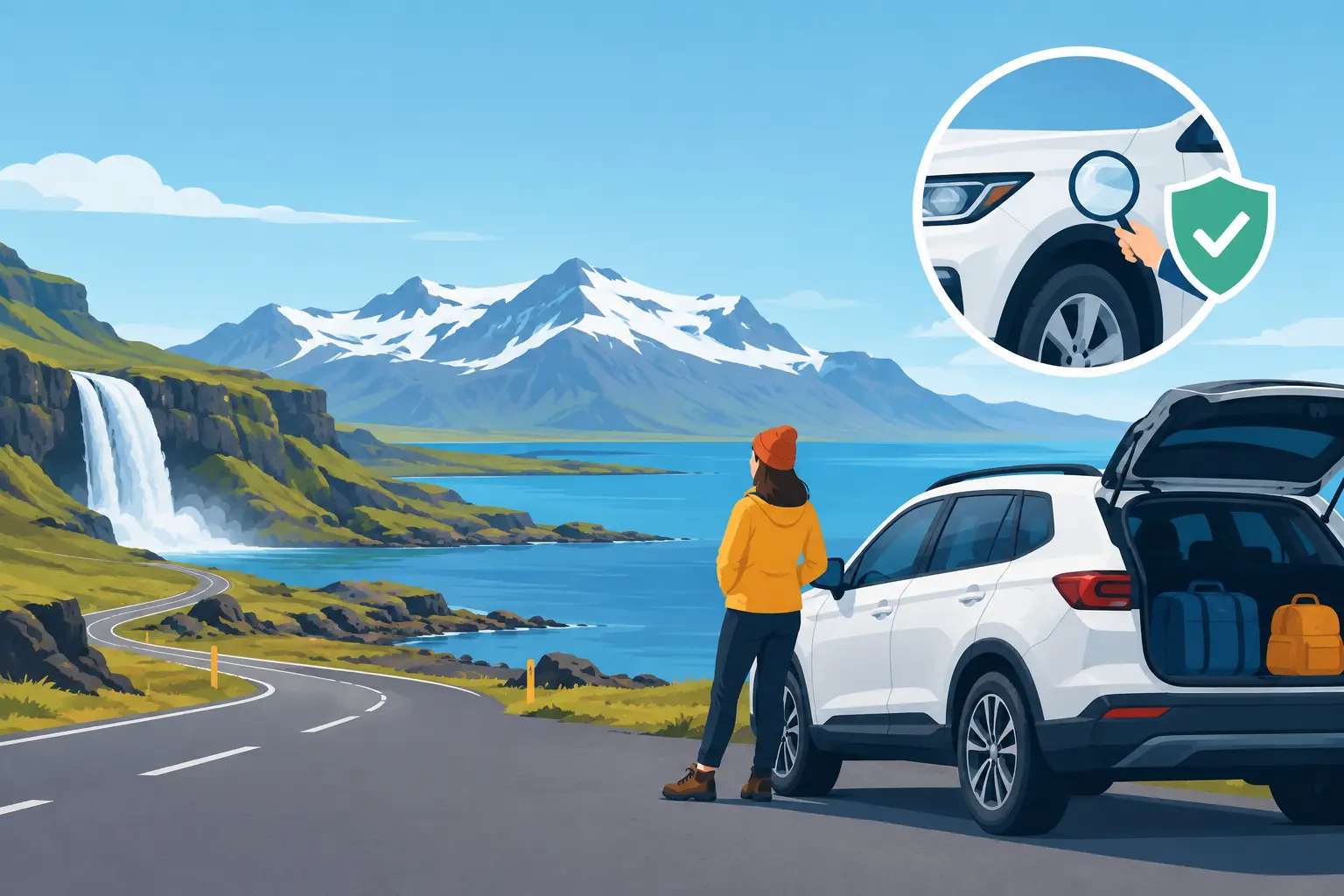
The easiest damage to avoid is the damage you spot before leaving. At pickup, take a few minutes to walk around the vehicle in good light. Photograph the exterior, wheels, windshield, roof, mirrors, bumpers, and any existing marks. Do the same inside if something is clearly worn or stained.
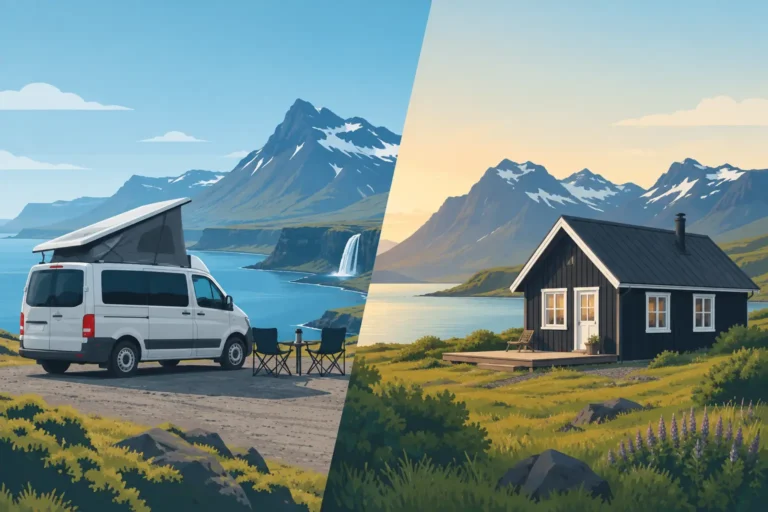
This is not about expecting trouble. It is simply a clean record of the vehicle’s condition before your adventure starts. Make sure you know how the lights, heater, wipers, fuel cap, tire kit, and camping equipment work. If you are renting a rooftop tent vehicle, ask or check the instructions for opening and closing it before your first overnight stop. Trying to learn in rain, wind, or darkness is rarely fun.
Before setting off, confirm these practical basics:
- Which roads your rental vehicle is allowed to drive on
- What insurance is included and what the excess is
- Whether gravel, sand and ash, tire, windshield, or roadside assistance coverage applies
- How to contact support if a warning light, flat tire, or weather issue interrupts the trip
- What fuel the vehicle uses and how full it must be at return
At Black Sheep Campers, the aim is to keep the rental process straightforward, including self-service pickup and return. Still, the vehicle agreement and current road conditions always matter. Read both before you leave town.
Match Your Route to the Vehicle
Iceland does not have one kind of road. You may drive smooth paved highways, rough gravel roads, mountain tracks, or F-roads in the Highlands, sometimes all in one day. A 4×4 gives you more capability, but it does not make every route safe in every condition.
F-roads are mountain roads and are generally only suitable for properly equipped 4×4 vehicles. They open seasonally, often later than visitors expect, and can close quickly because of rain, snow, river levels, or road damage. Check official conditions on the day you travel, not only while planning at home. If a road is marked closed, turn around. Gates, signs, and closures are not suggestions.
The biggest mistake is confusing a 4×4 with a waterproof vehicle. Some Highland routes involve unbridged river crossings, and water damage is often excluded from rental coverage. Conditions change by the hour. A crossing that was manageable in the morning can be unsafe later after rain or snowmelt.
If you are not experienced with river crossings, choose a route without them. If a crossing is permitted and you have the right vehicle, stop first. Watch the water, look for the marked route, check the depth and current, and wait for other drivers only if it is safe to do so. Never follow another vehicle blindly. If there is doubt, do not cross. Missing one viewpoint is better than ending a trip in a river.
Slow Down on Gravel – Especially When Passing
Gravel damage is one of Iceland’s most common rental headaches. It is not only about unpaved roads. Fresh gravel can appear on road repairs, shoulders, pullouts, and construction sections of otherwise paved routes.
Reduce speed before moving onto gravel, not after the tires start slipping. Brake gently, leave a long following distance, and avoid sudden steering inputs. Fast driving can throw stones into the underside, paintwork, and windshield. It also makes the vehicle less predictable, particularly on corners or when the road is wet.
When another vehicle approaches on a narrow gravel road, slow down early. Both drivers throwing stones at speed is a reliable way to chip a windshield. The same goes for overtaking. Wait for a long, clear, straight section with good visibility, and give the vehicle ahead plenty of space. There is no prize for arriving at the next waterfall three minutes sooner.
Road shoulders deserve the same caution. They can be soft, uneven, or deceptively steep. Pull over only in designated areas or where there is enough firm space to stop fully off the road without damaging the vehicle or blocking traffic.
Respect the Wind More Than the Forecast Icon
Icelandic wind can be stronger than it looks from inside a warm car. Along the South Coast, around exposed fjords, and on open plains, gusts can hit a parked vehicle with real force. Doors are particularly vulnerable.
Before opening a door, hold it firmly and check which direction the wind is coming from. Open it a small amount first. Do not let children or passengers swing doors open without help in strong conditions. A gust can pull a door beyond its normal range, damage hinges, or send it into another car.
Wind also changes how the vehicle drives. Reduce speed, keep both hands on the wheel, and expect sudden gusts when leaving the shelter of a hill or passing a large vehicle. If conditions feel uncomfortable, pull into a safe designated area and wait. Iceland’s weather can change fast, and there is no shame in changing the day’s plan.
For rooftop tent travelers, wind matters at camp too. Choose an established campsite and park in a sheltered position when possible. Make sure the tent is secured correctly, never force zippers or fabric in heavy gusts, and close it fully before driving away. A quick final check prevents loose straps, unsecured gear, and avoidable roof damage.
Protect the Windshield, Tires, and Undercarriage
Your windshield, tires, and the underside of the vehicle take most of the hard work on an Iceland road trip. Small habits make a major difference.
Leave extra distance behind vehicles on gravel and on wet roads. Avoid driving through potholes at speed, and do not cut corners where sharp rocks may sit just outside the tire track. If you hear a new scraping noise, feel vibration through the steering wheel, or see a tire-pressure warning, stop somewhere safe and inspect the vehicle before continuing.
Do not drive off marked roads to get closer to a viewpoint, find a private camping spot, or avoid a rough patch. Off-road driving is illegal in Iceland and causes long-lasting damage to fragile moss, sand, and vegetation. It can also leave you stuck far from help. Use marked roads, parking areas, and legal campsites. The best landscapes in Iceland stay wild because visitors give them room.
When parking, avoid tall grass, loose lava fields, deep snowbanks, and soft sand unless the area is clearly intended for vehicles. A vehicle can sink surprisingly quickly in soft ground, even if it is four-wheel drive.
Plan Around Weather, Light, and Fuel
A sensible plan is one of the best ways to avoid Iceland rental damage. Check the weather and road conditions every morning, then build in extra time. Rain reduces visibility, snow changes braking distances, fog hides turns, and darkness can arrive earlier than expected outside summer.
Keep your fuel level above half when heading into remote areas, especially the Highlands or the Eastfjords. Fuel stations are not on every route, and detours caused by weather or closures can be long. Carry water, warm layers, and food as well. These are not just comfort items. They give you options if you need to wait out bad conditions.
Avoid pushing through when you are tired. Long daylight hours can make travelers underestimate fatigue, while winter driving demands even more concentration. Swap drivers if possible, take breaks, and choose a closer campsite rather than forcing a late arrival.
If Something Happens, Act Early
A stone chip, low tire, warning light, or minor scrape does not automatically ruin your trip. What makes a small issue worse is ignoring it. Take photos, note the location and time, and contact the rental provider as soon as it is safe. Follow their guidance before attempting repairs or continuing onto remote roads.
For an accident, make sure everyone is safe first. Move out of traffic if possible, document the scene, exchange details with other drivers, and contact the appropriate emergency or roadside services when needed. Do not rely on a vague memory after a long travel day.
The best Iceland road trips leave room for weather, detours, and the occasional change of plan. Drive for the conditions in front of you, not the itinerary on your phone. That is how you protect the vehicle and keep the freedom that made you rent it in the first place.