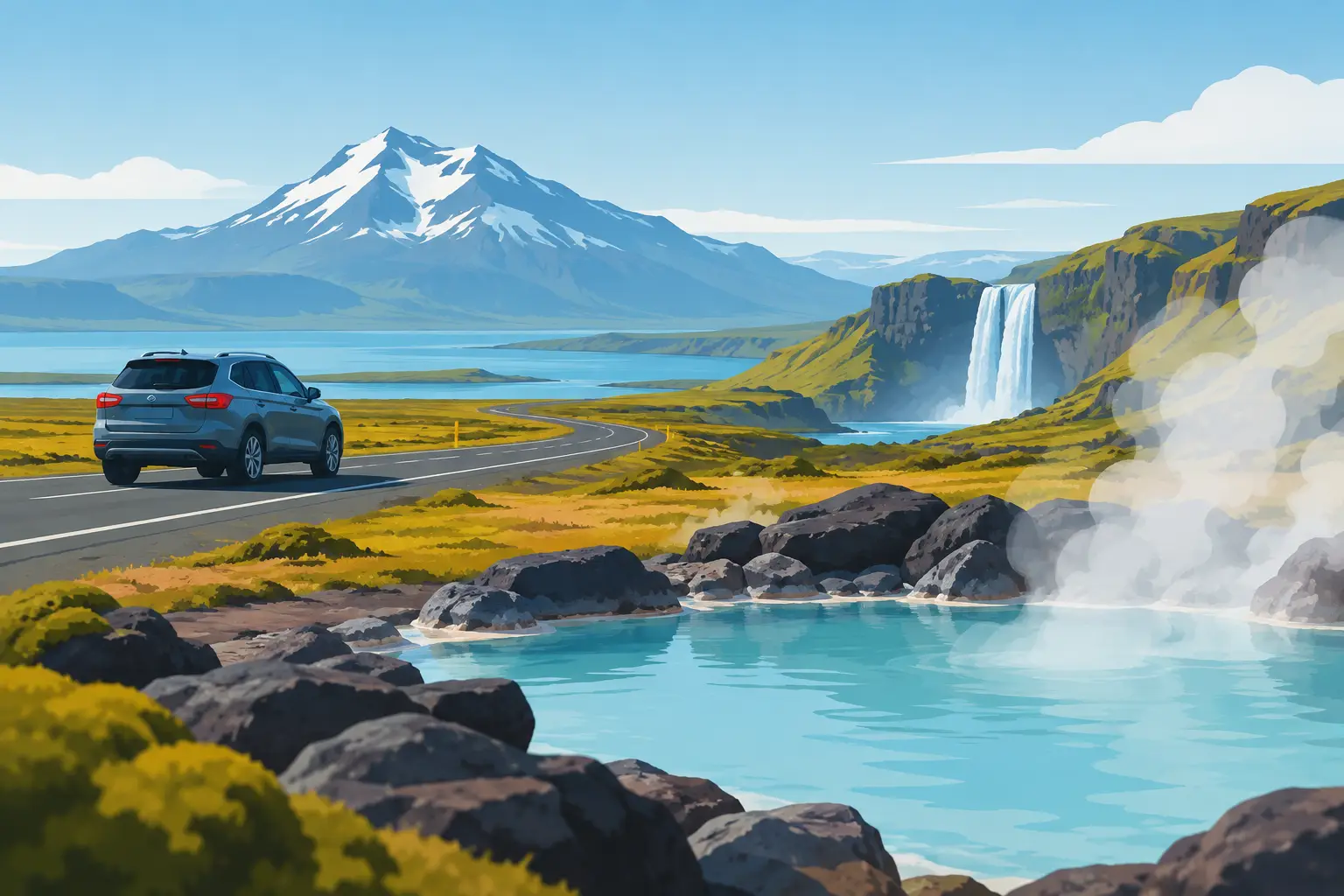
A warm, dry base at the end of a long driving day matters more than another outfit you will never wear. This Iceland camper checklist focuses on what makes a self-drive trip easier: staying comfortable in changeable weather, driving responsibly, and keeping enough flexibility to follow the good forecast.
Iceland rewards travelers who pack light but prepare properly. A 4×4 camper combines your transport and your place to sleep, so every item needs to earn its space. Keep it simple. Bring the gear that helps you adapt, not a pile of stuff that stays in the back seat.
Iceland Camper Checklist: Documents and Driving Essentials
Start with the basics before thinking about hiking boots or camera gear. Keep these items together in a waterproof pouch or small daypack, not buried beneath camping equipment.
- Valid driver’s license for every person who may drive
- Passport, travel insurance details, and rental booking confirmation
- Payment card and a backup card stored separately
- Mobile phone with offline maps downloaded before leaving reliable Wi-Fi
- Charging cable, car adapter, and power bank
- A basic first-aid kit and any personal medication
Check your rental agreement before departure so you understand the vehicle, insurance options, fuel policy, and where you are allowed to drive. Iceland’s road conditions change quickly, and not every unpaved road is suitable for every vehicle.
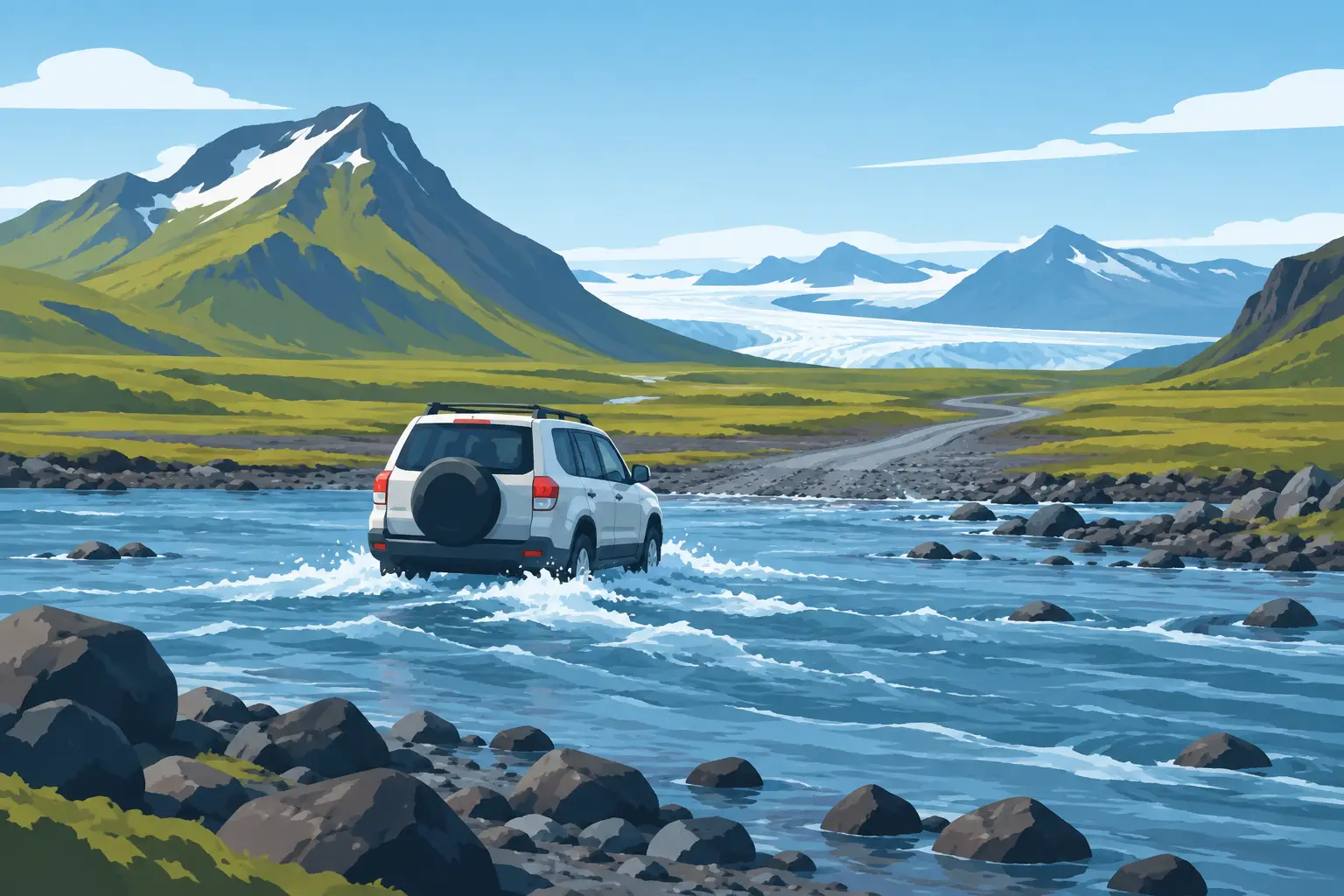
If you plan to drive in the Highlands, confirm that your vehicle is approved for F-roads and check whether those roads are open. F-roads are mountain roads, not scenic shortcuts. They can be narrow, rough, steep, and affected by weather or river levels. A 4×4 is essential where required, but it does not make an unsafe route safe.
Before each driving day, check the weather forecast, road conditions, and any warnings. Wind can be as disruptive as rain or snow, especially when opening vehicle doors. If conditions look poor, change the plan. That freedom is one of the best reasons to travel by camper.
Clothing That Works in Iceland
The most useful packing rule is simple: layer up. Icelandic weather can shift from bright sun to cold rain in a short drive, even in summer. You do not need expedition gear for a normal road trip, but you do need clothing that stays useful when damp, windy, and cool.
Bring a waterproof outer shell with a hood, waterproof pants, insulating mid-layers, and quick-drying base layers. Wool or synthetic fabrics are much more practical than cotton, which stays cold when wet. A warm hat, gloves, and neck gaiter take up almost no room and often get used more than expected.
For footwear, choose waterproof hiking shoes or boots with good grip. Many waterfalls, beaches, and trailheads have uneven, wet, or slippery ground. A second pair of casual shoes is useful for campsites and dry days, but avoid packing several bulky pairs.
Summer travelers should still pack warm layers. Winter travelers need more insulation, extra gloves, and footwear suitable for icy conditions. In shoulder seasons, the trade-off is fewer crowds but less predictable weather and more limited access to some areas. Build your route around what is open, not what looked good on a map months ago.
Sleep and Campsite Gear
A well-equipped camper removes much of the packing pressure. For example, Black Sheep Campers vehicles are set up for practical road-trip travel, so you can avoid flying in with a tent, sleeping bags, cooking equipment, and other bulky essentials. Still, it helps to know what makes nights at camp more comfortable.
Pack a small headlamp, earplugs, a reusable water bottle, and a quick-dry microfiber towel. A headlamp is useful year-round inside the camper and around campsites, though summer nights can stay bright. Earplugs are handy if you are a light sleeper or camp near a busier road.
A sleeping mask is a smart summer addition because Iceland’s long daylight hours can make bedtime feel optional. In winter, a compact thermos is worth the space for hot drinks on cold drives. Keep a set of dry clothes accessible for the evening rather than storing everything in one large bag.
Campsites in Iceland vary. Some are simple, while others have showers, kitchens, laundry, and common areas. Do not assume every site has the same facilities or stays open all year. Carry a payment card, allow time to settle in before dark, and follow the campsite’s rules on parking, cooking, waste, and quiet hours.
Food and Kitchen Basics
Camper travel is most affordable when you cook some of your own meals, but do not overbuy groceries on day one. Your plans may change with weather, and refrigerator or storage space is limited. Start with easy breakfasts, simple lunches, and a few one-pot dinners.
Good road-trip staples include oats, bread or wraps, eggs, pasta, rice, soup, coffee or tea, fruit, nuts, cheese, and shelf-stable snacks. Add fresh food in smaller amounts as you travel. Icelandic tap water is excellent, so refill your bottle rather than buying plastic water bottles every day.
Keep a few snacks in the front of the vehicle. Driving days can take longer than expected when you stop for viewpoints, wait out weather, or discover that the next grocery store is farther away than you thought. A hot drink and something to eat can turn an unexpected delay into a decent break.
If cooking equipment is included with your camper, learn how it works before heading out. Ask about fuel, cleaning expectations, and safe use. Never cook in an unsafe or poorly ventilated space, and always leave the kitchen gear clean and dry for the next stop.
Tech, Navigation, and Camera Gear
Your phone is likely to be your map, weather station, camera, and campsite planner. Download offline maps before the trip and bring more charging capacity than you think you need. A power bank is especially useful on longer days away from campsites or while hiking.
For photography, bring a small dry bag or waterproof pouch for your camera and electronics. Rain, spray from waterfalls, and black-sand beaches can be hard on equipment. A microfiber cloth is a small but useful addition for cleaning lenses and windshields.
Do not rely on a single device for essential information. Save important booking details, emergency contacts, and your route in more than one place. If you are traveling as a pair, both people should know the rough plan for the day and how to access the vehicle information.
What Not to Pack
A better camper checklist also includes what to leave behind. Skip oversized suitcases if possible. Soft-sided bags are easier to store in a compact camper and make it simpler to keep the sleeping area organized.
You can also leave heavy camping furniture, large quantities of bottled water, and too many clothes at home. Laundry is available at many campsites, and repeating a practical layer is far better than sacrificing valuable living space. Avoid buying outdoor gear solely for the trip unless you expect to use it again. Good layers and waterproof footwear matter; specialized equipment usually does not.
A Simple Daily Routine for Safer Camping
Take five minutes each morning to check the forecast, road status, fuel level, and your next overnight option. In Iceland, that short routine can save hours of frustration. Fill up before remote stretches, especially if you are heading toward the Highlands or traveling outside the main towns.
At the end of the day, secure loose items, charge your devices, and prepare tomorrow’s clothes while they are still dry. Respect marked roads and camping rules, never drive off-road, and leave each place as you found it. The landscapes here are powerful precisely because they are not built around us.
Your route does not need to be fixed for the trip to feel well planned. Pack for the conditions, drive within them, and give yourself permission to stay longer where the weather is good. That is when a camper road trip starts to feel like real freedom.