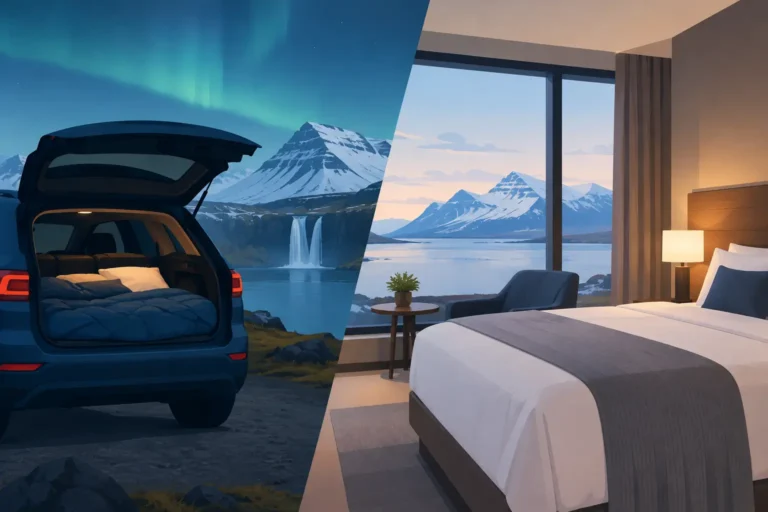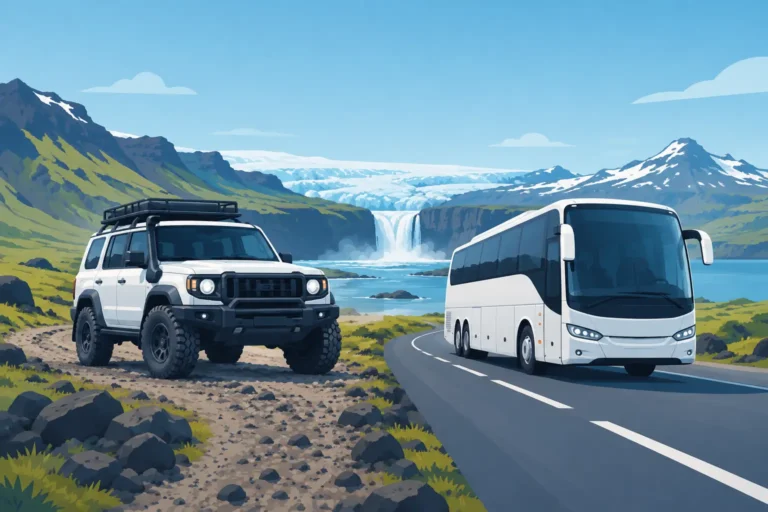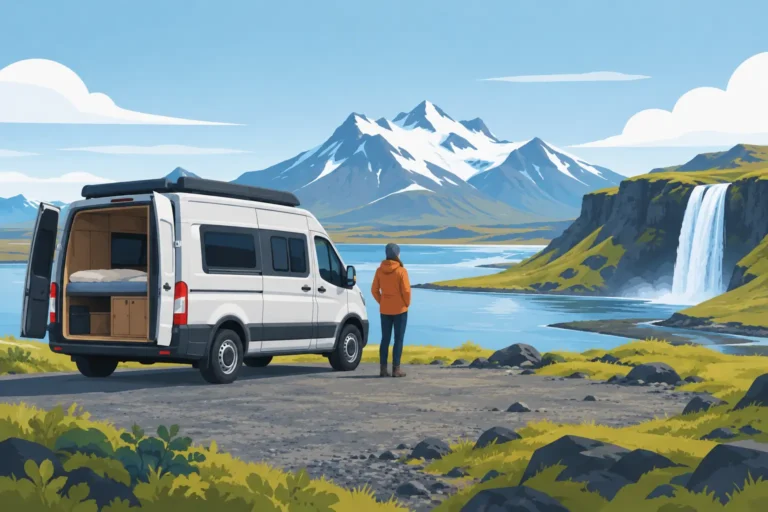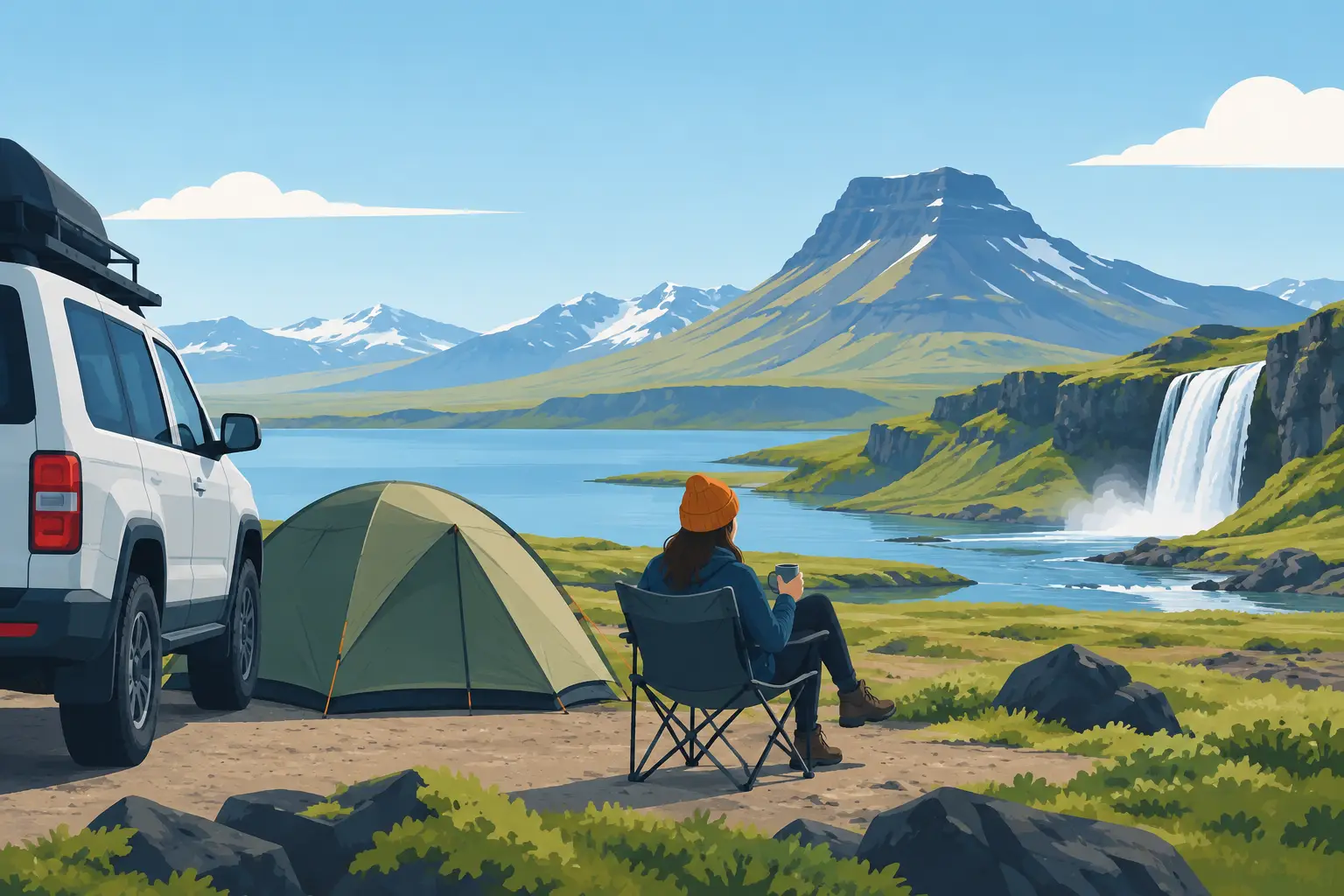
Landing at a campsite after a long day of waterfalls, gravel roads, and changing weather is not the moment to wonder, do campsites need booking in Iceland? The short answer is usually no. Many Icelandic campsites operate on a first-come, first-served basis, especially for tents, rooftop tents, and simple camper setups. But “usually” matters. A little planning keeps your road trip flexible without leaving you scrambling for a place to sleep.
Do Campsites Need Booking in Iceland?
For most camping road trips, you can decide where to stay on the day. This is one of the real advantages of traveling Iceland in a 4×4 camper or rooftop tent vehicle. If the weather improves on the south coast, stay longer. If a popular stop is crowded, keep driving. If the wind is strong, choose a more sheltered campsite rather than forcing your original plan.
That said, some campsites do accept or require reservations for cabins, larger groups, powered pitches, or specific facilities. During the busiest summer weeks, a handful of popular locations can also fill up early. Booking is more likely to matter when your trip has fixed dates, you need electricity every night, or you are traveling with several vehicles.
For a couple or solo traveler in a self-contained camping setup, arriving in the late afternoon is generally the practical approach. Check the campsite’s current opening dates and rules before you drive there, then have one or two backup options in the same area. Iceland rewards flexible plans, not rigid schedules.
When You Should Reserve a Campsite
A reservation is worth considering when it solves a real problem, not simply because it feels safer. You may want to book ahead if you are traveling in July or August and have your heart set on one particularly popular area. The same goes for campsites near major events, overnight stops around Reykjavík at the beginning or end of a trip, and places offering limited cabins or indoor accommodation.
Reservations are also sensible when you need a specific setup. For example, an electric hookup can be limited, and larger campervans may have different space requirements than a Dacia Duster with a rooftop tent. If you are meeting friends, arriving very late, or traveling with children who need a predictable routine, a confirmed stop can make the day easier.
The trade-off is simple: booking every night can turn a self-drive trip into a fixed itinerary. You may miss a better weather window, feel rushed through a place you love, or drive in poor conditions just to reach a reserved campground. Keep the nights that genuinely need certainty, and leave the rest open.
When First-Come, First-Served Works Best
First-come, first-served camping suits travelers who want to follow the weather and explore at their own pace. It is particularly useful outside the peak summer period, when crowds are lighter and daylight is still generous in late spring and early fall.
It also works well when you have a practical vehicle setup and do not depend on a hotel check-in time. With a properly equipped 4×4 camper, you can choose a campsite based on where the day takes you, cook dinner, and settle in without unpacking half your trip. Black Sheep Campers is built around that kind of freedom: pick up your vehicle when it suits you, drive on your schedule, and use campsites as flexible overnight bases rather than fixed destinations.
Do not confuse flexibility with a lack of preparation. Before leaving a region, look at the next day’s route, fuel options, weather forecast, road conditions, and nearby campsites. You do not need a reservation to have a plan.
Iceland Camping Rules Matter More Than Reservations
The bigger question is not always whether to book. It is whether you can legally stay where you want to stay.
Iceland has tightened camping rules to protect sensitive landscapes. Sleeping overnight in a camper, rooftop tent, or vehicle is generally expected to happen at designated campsites or with explicit permission from the landowner. Pulling into a scenic roadside lay-by, beach parking area, or trailhead and setting up for the night is not a substitute for a campsite.
This is especially important in remote areas, where it can be tempting to assume that open land means open camping. It does not. Fragile moss, private land, narrow roads, and limited waste facilities all make responsible camping essential. Use established campgrounds, follow their posted rules, and leave the area as you found it.
A campsite may be simple, but it gives you the basics that make road-trip travel work: toilets, washing facilities, waste disposal, and a place where overnight stays are allowed. Many also have kitchens, showers, charging areas, or laundry, though the standard varies widely. Do not assume every campground has every facility.
What to Check Before You Arrive
Campsites in Iceland can be seasonal, and opening dates sometimes depend on weather and local conditions. Before heading out, confirm that the site is open and check whether it has the facilities you need. This takes a few minutes and can save you a long evening drive.
Pay attention to these practical details:
- whether the campsite is open on your travel date
- whether late arrival is accepted and how payment works
- whether showers, laundry, kitchens, or electric hookups cost extra
- whether rooftop tents, campers, and larger vehicles use a separate area
- whether the access road is suitable for your vehicle and current conditions
If reception is closed when you arrive, do not assume the campsite is unavailable. Many sites have clear instructions for late arrivals, self-payment, or paying in the morning. Read the signs, respect quiet hours, and park only where indicated.
Planning Campsites Around Iceland’s Regions
On the Ring Road, you will usually have enough campground choice to stay flexible. The south coast, Golden Circle, Snæfellsnes Peninsula, and areas around Mývatn have plenty of demand in summer, but they also have multiple options. Your best move is to stop before you are exhausted, rather than driving until the last possible minute.
The Highlands require more care. F-roads are only open seasonally, river crossings can change quickly, and travel times are longer than they look on a map. If you are heading inland, know where you are legally allowed to camp and whether the route, weather, and river conditions are suitable that day. A 4×4 vehicle helps with access, but it does not make every F-road appropriate or every river crossing safe.
In the Westfjords and Eastfjords, distances can feel slow because roads curve along the coast and weather can shift fast. Here, keeping a backup campsite in mind is useful. Do not rely on arriving at one remote site after dark if fog, wind, or road conditions have delayed you.
A Simple Booking Strategy for Flexible Travelers
Book only the nights that benefit from certainty. Your arrival night can be one of them, particularly if you land late or want a shower and proper rest before starting the drive. Your final night may also be worth fixing if you have an early flight or vehicle return.
For the middle of the trip, choose regions rather than exact campsites. Instead of promising yourself a specific campground, plan to spend the night somewhere near Vík, Mývatn, or Borgarnes, depending on your route. Check availability and conditions in the afternoon, then decide based on weather, energy, and what you want to see next.
Keep enough food, water, warm layers, and fuel to avoid making decisions under pressure. In Iceland, a flexible itinerary works best when it is backed by sensible margins. No queues. No waiting. No surprises.
A campground reservation should support your adventure, not control it. Leave room for the clear evening that makes you stay by a fjord, the unexpected hot spring, and the extra hour at a glacier lagoon. That is the freedom a camping road trip is for.