A camper should let you leave the airport and start exploring, not send you on a last-minute shopping trip for basic camping equipment. If you are wondering what gear comes with camper rentals in Iceland, the practical answer is that a good setup covers sleeping, cooking, and everyday campsite living. The exact equipment can vary by vehicle type and season, so always read the inclusions listed for the camper you book.
For an Iceland road trip, the goal is simple: arrive with your personal clothing and food plans sorted, then use the supplied gear to sleep, cook, and travel comfortably. No unnecessary extras. No guessing what will be waiting for you at pickup.
What Gear Comes With a Camper Rental?
Most properly equipped Iceland campers include the essentials needed to turn a 4×4 vehicle into your transport and accommodation. That normally means a sleeping setup, cooking equipment, and a few useful items for life at a campsite.
At Black Sheep Campers, the equipment is selected for independent travel rather than luxury campground living. You have what you need to keep moving, make simple meals, and sleep close to the places you came to see.
Your sleeping setup
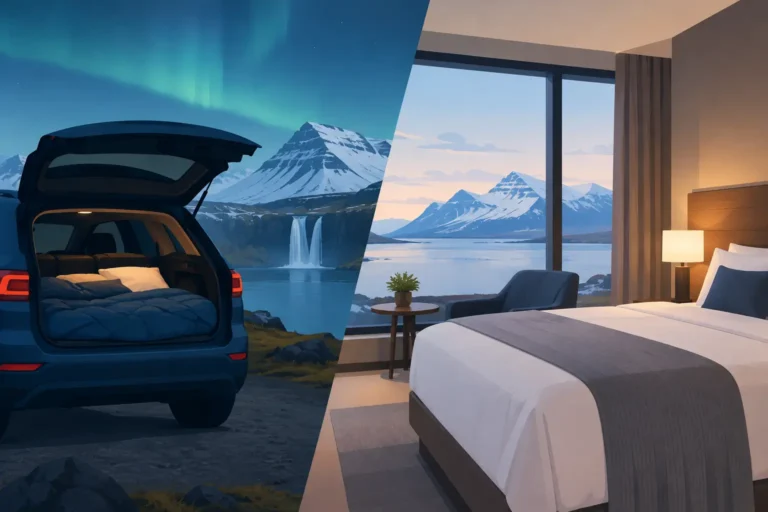
Your camper’s sleeping gear depends on whether you have a rooftop tent vehicle or a sleep-in-the-back setup. A rooftop tent provides an elevated sleeping space that opens quickly at camp, while a sleep-in-the-back camper uses the vehicle interior as your bedroom.
The included sleep kit commonly consists of a mattress or built-in sleeping platform, sleeping bags, pillows, and bedding appropriate for the number of travelers booked. This is the part that makes a camper rental far more practical than trying to build a camping setup from separate rental items.
Still, comfort is personal. If you sleep cold, pack warm base layers, thick socks, and a beanie for nighttime. Iceland can feel much colder than the forecast suggests when wind and damp air arrive together. A sleeping bag does the main job, but the clothes you wear inside it can make a noticeable difference.
Cooking equipment for simple road-trip meals
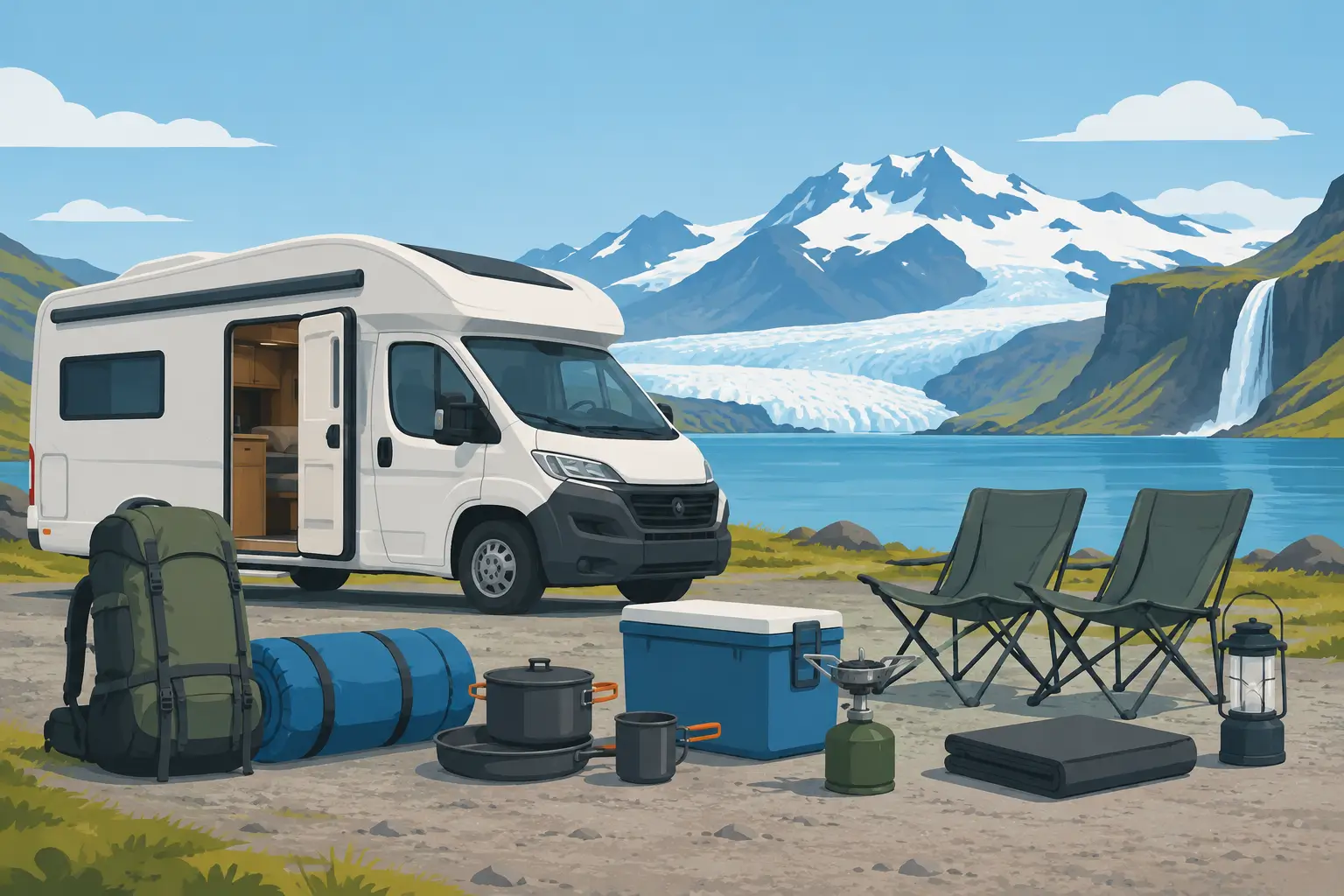
Camper cooking gear is made for practical meals, not a full dinner party. Expect the basics for preparing breakfast, heating soup, making pasta, or cooking a quick meal after a long drive. This generally includes a camping stove, pots and pans, plates, bowls, cups, and cutlery.
You may also receive useful kitchen pieces such as a kettle, cooking utensils, a can opener, and a cooler or food-storage solution. Exact items differ between camper models, so it is worth checking the vehicle description before deciding what food to buy.
Keep your meal plan realistic. Icelandic campsites are a great place for coffee, oatmeal, sandwiches, one-pan meals, and hot noodles. They are less convenient for recipes that require an oven, several burners, or a long list of specialty ingredients. Bring a small amount of seasoning if it matters to you, but do not fill your luggage with a kitchen drawer.
Campsite living equipment
The small items are often what make a camping day easier. Depending on the camper, you may find a table and camping chairs, along with basic cleaning equipment for keeping the kitchen kit usable during your trip.
These are not glamorous additions, but they matter when you stop for dinner after hiking, wait out a rain shower, or enjoy a bright late-evening view from a campsite. A compact table gives you somewhere to prepare food. Chairs mean you do not need to eat every meal inside the car.
Campers are designed to stay mobile, so gear is usually compact and functional. Storage space is limited, particularly when traveling with two people, bulky luggage, and food. Soft-sided bags are easier to fit than hard suitcases and make daily access much simpler.
What Usually Does Not Come With a Camper?
A fully equipped camper does not mean every travel need is included. Personal items, consumables, and optional comfort items are usually your responsibility. This is where a little planning prevents unnecessary stops once you are on the road.
Plan to bring or buy your own food, toiletries, towels, clothing, phone charging cables, and reusable water bottle. You should also carry sunglasses, sunscreen, and a waterproof outer layer in every season. Iceland’s weather can change fast, and a clear morning does not guarantee a dry afternoon.
Fuel for a camping stove can also be a separate consideration, depending on the setup and local supply arrangements. You cannot take fuel canisters on a plane, so never pack one in your luggage. Check your rental instructions before arrival, then buy the correct compatible fuel locally if it is not included.
A few useful extras are worth packing without overdoing it:
- A headlamp for organizing gear at night or during darker months
- A power bank for long driving days and hikes
- A quick-dry towel for pools, showers, and wet weather
- Small dry bags or packing cubes to separate wet clothing
- Snacks and a thermos for stretches between towns
You do not need to bring a tent, sleeping bag, cookware, or camping chairs if your booked camper lists them as included. Duplicating large equipment wastes valuable luggage space and makes the vehicle harder to organize.
Why the Camper Type Changes the Gear You Receive
Not every camper works the same way, and that is a good thing. The right choice depends on how you want to travel, when you are visiting, and how much time you expect to spend at campsites.
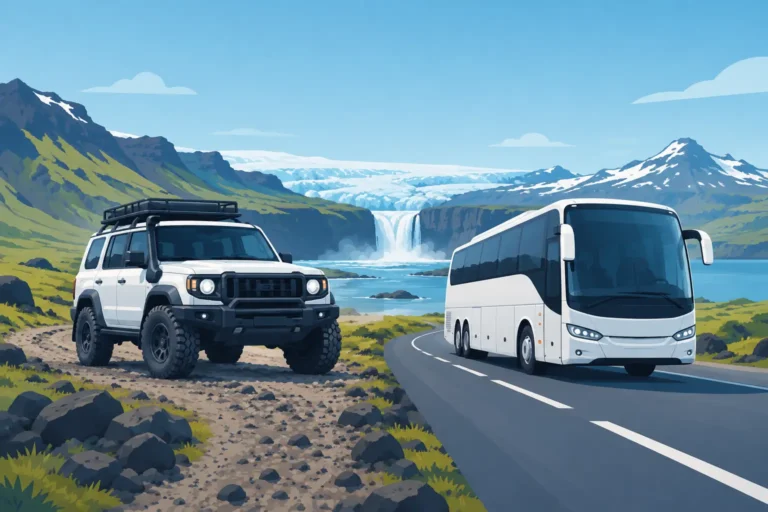
A rooftop tent camper is a strong option for travelers who want a classic outdoor setup, extra separation between sleeping and driving space, and the capability of a 4×4 vehicle. Setup is quick once you get used to it, but you will need to close the tent before driving anywhere, even for a short move around camp.
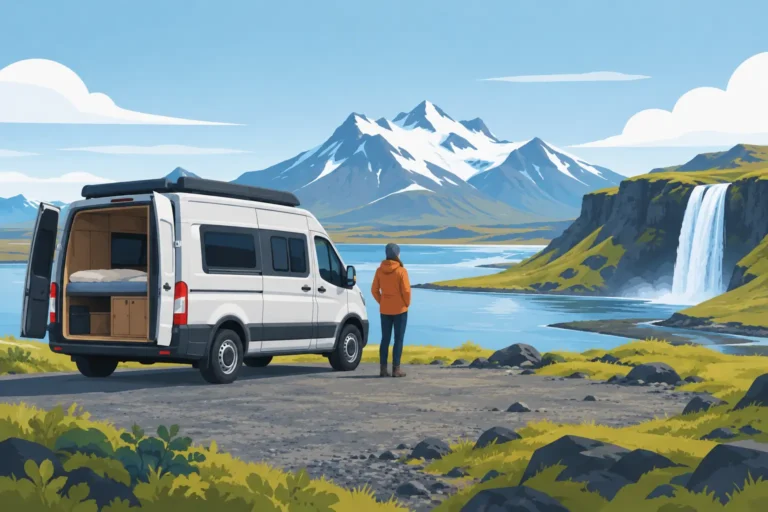
A sleep-in-the-back camper keeps your bed inside the vehicle. It can feel more sheltered in rain and wind, and it is particularly convenient when you need an early start. The trade-off is that the interior becomes both your bedroom and storage area, so staying organized matters more.
For either style, do not assume that one camper’s equipment list applies to another. Passenger capacity, sleeping capacity, storage layout, and seasonal gear can differ. The camper page and booking confirmation are the final word on what is supplied.
Gear Is Only Part of Being Ready for Iceland
Camping equipment makes the trip easier, but it does not replace sensible travel decisions. A 4×4 camper can give you access to more of Iceland, including eligible mountain roads when they are open, but road conditions and rules always come first.
Before heading toward the Highlands or an F-road, check current road information, weather forecasts, and the restrictions for your specific vehicle. F-roads can involve rough surfaces, steep sections, river crossings, and rapidly changing conditions. Never drive a route simply because it appears on a map or social media video.
At campsites, use designated facilities, follow local rules, and leave the space as clean as you found it. Iceland’s landscapes are open and dramatic, but much of the country is sensitive. Camping responsibly protects the experience for the next travelers and helps keep access possible.
A Simple Packing Plan Before Pickup
The easiest way to prepare is to split your packing into two categories. Let the camper handle the bulky camping essentials. You handle the personal things that fit your body, your route, and your travel style.
Pack warm layers, waterproof clothing, hiking footwear, medication, travel documents, toiletries, and electronics. Buy food as you travel, especially fresh items, so you are not trying to store a week’s worth of groceries in a compact vehicle. If you have a special dietary requirement, stock up in Reykjavik or larger towns before driving into more remote regions.
When you pick up your camper, take a few minutes to locate every item before you leave. Check where the cooking kit is stored, how the bed or rooftop tent works, and where you will keep food and wet gear. That five-minute check makes the first night much more relaxed.
A well-equipped camper gives you the freedom to follow good weather, stay longer where the view is better, and change plans without worrying about hotel check-in times. Keep your packing light, use the gear you are given well, and leave room for the unexpected stop that becomes the best part of your Iceland trip.