You feel the difference on day one. Instead of racing to a hotel check-in or backtracking to make a tour departure, you land, pick up your vehicle, load your food, and go. That’s why renting a camper van in Iceland appeals to so many travelers – it turns transport and accommodation into one simple setup, and it gives you the freedom to adjust your plan when the weather changes, the light gets good, or you find a place worth staying longer.
That freedom is real, but Iceland is not a place where you want to wing every detail. Road conditions change fast. Campsite access varies by season. And the right vehicle depends on where you want to go, not just how many people are traveling. If you’re planning a self-drive trip, the smartest approach is to match your camper to your route, your season, and your comfort level.
Why renting a camper van in Iceland makes sense
For a lot of travelers, a camper van is the most efficient way to see Iceland. Hotels can lock you into fixed stops, and rental cars plus accommodation often cost more than people expect once peak season pricing kicks in. A camper gives you flexibility without forcing you into a fully roughing-it experience.
That matters in Iceland because the best part of the trip is usually the time between the famous stops. You might pull over for a waterfall you didn’t plan to see, stay late at a black sand beach, or decide to keep driving because the forecast looks better in the next region. With a camper, those decisions are easy. You’re not constantly checking distances to your next room.
There’s also the practical side. Cooking some of your own meals saves money. Keeping your gear in one place saves time. And sleeping on-site or near your route cuts down on packing and unpacking every day. For couples and small groups especially, the value is often better than booking separate transport and lodging.
Choosing the right camper for your Iceland trip
The biggest mistake people make when renting a camper van in Iceland is choosing only by price. A cheaper van can work perfectly for a summer Ring Road trip. But if you’re traveling in shoulder season, carrying lots of gear, or planning to reach rougher roads, the cheapest option can become the wrong option fast.
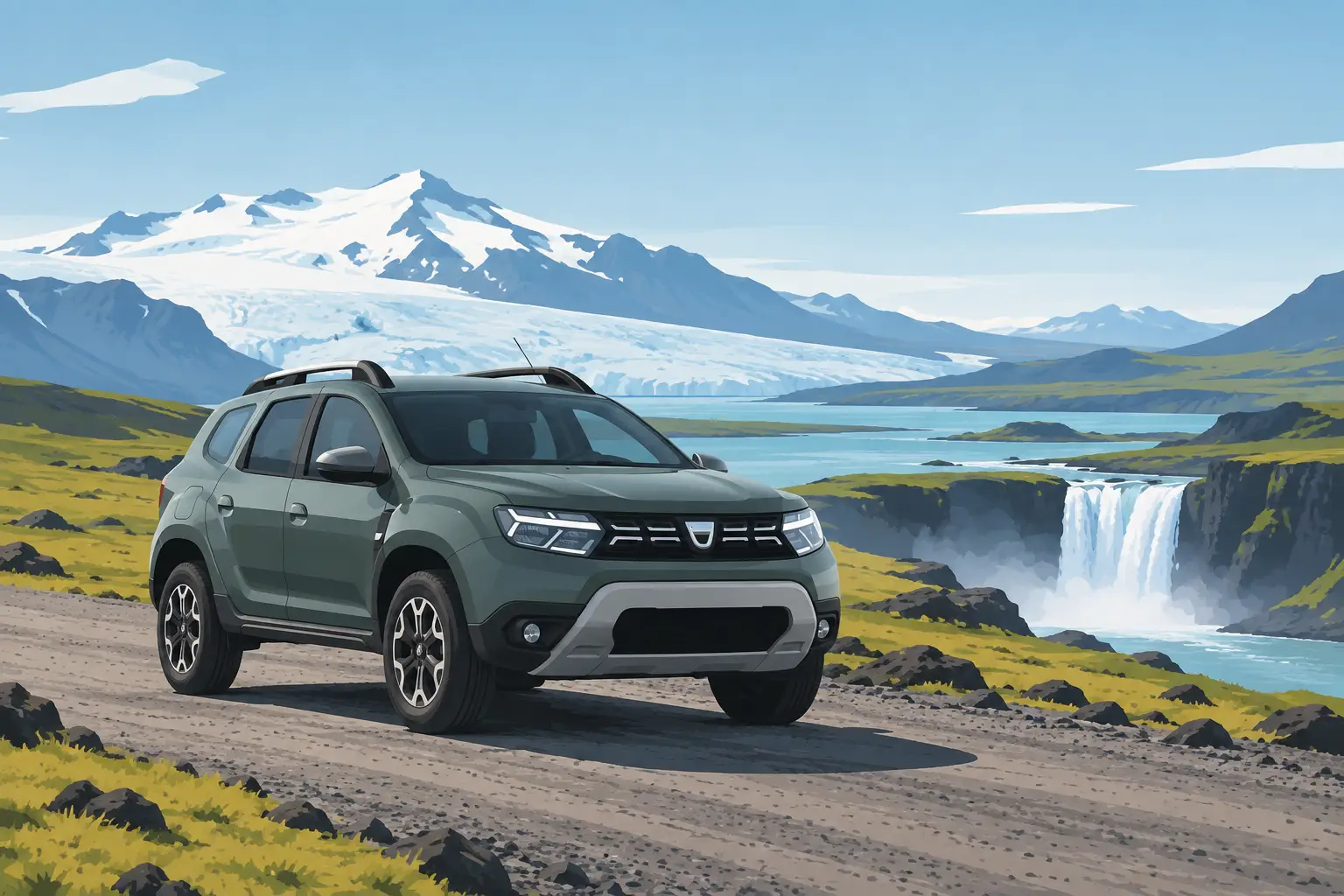
Start with your route. If you’re staying on paved roads and standard gravel roads in summer, a basic camper or sleep-in-the-back setup may be enough. If your plan includes remote areas, steeper tracks, river crossings, or the highlands, you need a proper 4×4 that is approved for those roads. Not every rental vehicle in Iceland is allowed on F-roads, and not every 4×4 camper is built equally for rough conditions.
Then think about space. Two people can travel comfortably in a compact camper if they pack light and don’t mind close quarters. For longer trips, extra room matters more than most first-timers expect. Wet jackets, hiking boots, food bins, camera gear, and luggage take up space quickly. A slightly larger setup often makes the trip feel easier, especially in bad weather.
Finally, be honest about your driving confidence. Iceland is very manageable for independent travelers, but wind, gravel, narrow bridges, and sudden weather shifts are part of the experience. A vehicle should make the trip simpler, not more stressful.
Summer vs. winter changes everything
Season affects almost every part of your rental decision. In summer, longer daylight hours make road-tripping easy, campsites are more widely available, and conditions are generally friendlier for first-time visitors. This is when standard camper vans make the most sense for a broad range of routes.
In shoulder season, flexibility becomes even more valuable, but so does preparation. Nights are colder, some campsites may close, and weather can change quickly across different parts of the country. A well-equipped camper with proper heating and a setup designed for colder travel becomes much more important.
Winter is a different category. Some travelers love the idea of chasing the northern lights with a camper, and it can be done, but it depends on the vehicle, your route, and your comfort with winter driving. Short daylight hours, snow, ice, and wind all add complexity. For many winter trips, a 4×4 and a conservative route are the smarter choice. Freedom is great, but in Iceland, freedom works best when it’s backed by good judgment.
What kind of roads will you actually drive?
A lot of Iceland trip planning comes down to one simple question: Ring Road or beyond it?
If you’re mostly doing the Ring Road, South Coast, Snæfellsnes, the Golden Circle, or the north on standard roads, your vehicle options are broader. These are the routes most first-time visitors take, and they’re doable with many camper setups depending on season.
If you want to access the highlands, Landmannalaugar, or other interior routes, road rules matter. F-roads are mountain roads that require a suitable 4×4, and they are only open seasonally. Even then, conditions vary. Some routes involve rough surfaces and unbridged river crossings. This is where vehicle choice stops being a budget question and becomes a safety and access question.
A good rental company should be clear about what each vehicle can and cannot do. That transparency matters. It saves you from building an itinerary around places your camper isn’t allowed to reach.
Costs: where a camper saves money, and where it doesn’t
Camper van travel in Iceland can be cost-effective, but it’s not automatically cheap. The savings usually come from combining transport and accommodation, plus the ability to prepare your own meals. For many travelers, that’s a major win in a country where hotels and restaurants can get expensive quickly.
Still, there are trade-offs. Campsites are not free. Fuel in Iceland is not cheap. Insurance matters, and skipping the right coverage to cut costs can backfire. Add-ons can also affect the final price if a rental looks low at first but charges extra for basics.
That’s why transparent pricing matters more than headline pricing. A camper that includes essential gear, unlimited mileage, and straightforward pickup can offer better value than a lower base rate with extra fees attached. No surprises is not just a nice promise – it makes trip budgeting far easier.
What to check before you book
Before you confirm anything, look closely at what’s actually included. Sleeping gear, cooking equipment, heating, tires suited to the season, and support access all affect how easy your trip will be once you’re on the road. A camper should be ready to use, not something you have to piece together after arrival.
Pickup and return also matter more than people think. After a flight, the last thing most travelers want is a long rental counter delay. A simple self-service process can save time and reduce stress, especially if you’re arriving late or trying to get out on the road quickly. Black Sheep Campers, for example, leans hard into that no-queue, no-fuss model because it fits the way independent travelers actually want to start a trip.
Support is the other big one. Iceland is built for self-drive travel, but questions come up. Maybe the weather shifts. Maybe your route needs adjusting. Maybe you just want confirmation that a road is suitable for your vehicle. Fast, practical support is part of what you’re really renting.
First-time renter mistakes to avoid
The most common mistake is overplanning every stop and underestimating Icelandic conditions. It’s smart to have a route framework, but leave room to adapt. Wind, rain, fog, or road updates can make a rigid plan frustrating.
Another mistake is assuming every road is fine in every vehicle. It isn’t. Read the vehicle rules carefully and match them to your route. If highland access is part of the dream, book for that from the start.
People also tend to pack too much. In a camper, efficient packing makes daily life easier. Bring layers, waterproof outerwear, and practical shoes, but skip the idea of traveling like you have a hotel closet.
Finally, don’t ignore campsite planning. Even with a camper, you need legal overnight options. Iceland rewards flexibility, not randomness.
Is renting a camper van in Iceland right for you?
If you want fixed plans, restaurant dinners every night, and as little driving as possible, a camper may not be your best fit. But if you want independence, simpler logistics, and the option to wake up close to where you actually want to be, it’s hard to beat.
For couples, small groups, and travelers who like being in control of their own route, it usually comes down to this: a camper makes Iceland feel bigger, more accessible, and easier to experience on your terms. Keep it simple, choose the right vehicle for the roads ahead, and give yourself enough flexibility to let the country do what it does best – change your plan for the better.