A wet tent packed into your trunk after a windy night is one way to start an Iceland road trip. Waking above the ground with your bedding already in place is another. The rooftop tent versus ground tent decision comes down to more than sleeping preference: it affects how quickly you move, what you carry, and how comfortable camp feels when Iceland gives you rain, wind, and changing temperatures in the same afternoon.
For most self-drive travelers, a rooftop tent is the simpler choice. A ground tent still makes sense in the right situation, especially if you want to leave camp set up while you take the car elsewhere. The best option depends on your route, season, group size, and how much camping work you want at the end of a long day on the road.
Rooftop tent versus ground tent: the practical difference
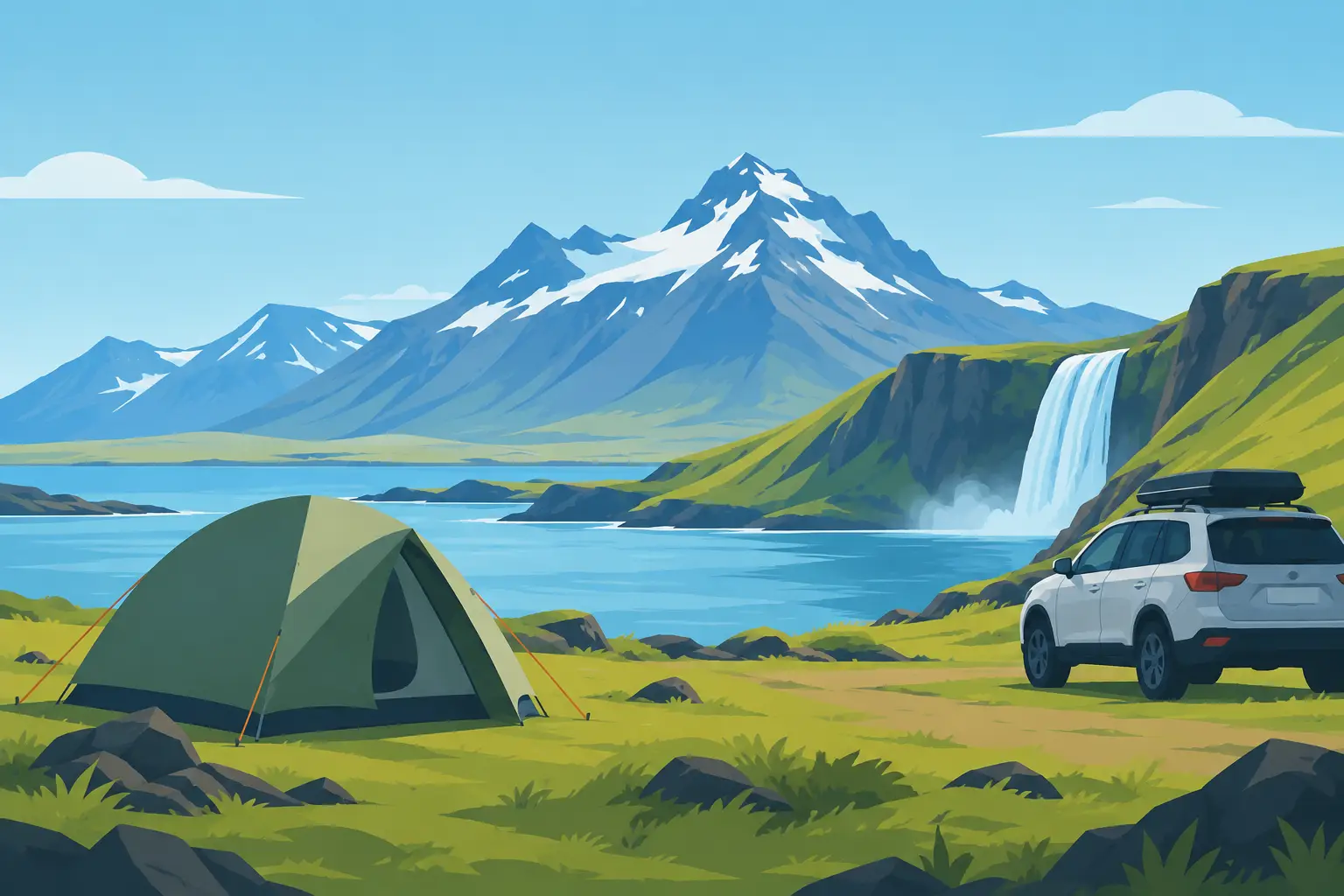
A rooftop tent is mounted on top of a vehicle and unfolds into a raised sleeping space. With a 4×4 rental, your transport, sleeping area, and core camping setup travel together. At the campsite, you park on level ground, open the tent, set up your sleeping gear, and you are ready for the night.
A ground tent is pitched beside your vehicle. You need a tent, groundsheet, sleeping pads, sleeping bags, and room in the car for all of it. It offers more flexibility once you are camped, but it asks more of you every day: find a suitable surface, clear the ground, pitch the tent, secure it well, and pack it again in the morning.
Neither setup makes Iceland weather disappear. What changes is how exposed you are to wet ground, how much gear you handle, and how fast you can settle in.
Why a rooftop tent suits an Iceland road trip
Less setup after a long driving day
Iceland rewards travelers who can adapt. You may stop longer than planned at a waterfall, take a detour to a hot spring, or arrive at camp late after a slow stretch of gravel road. A rooftop tent keeps the evening routine straightforward. Park, open, climb in, and make dinner.
That matters when conditions are cold or wet. You are not crawling around to thread poles through a damp tent sleeve or trying to keep a groundsheet from blowing away. Your bedding can usually remain inside the rooftop tent when folded, which also reduces morning packing time.
A drier, raised place to sleep
Campsites in Iceland are generally well maintained, but grass and soil can stay damp after rain. A rooftop tent keeps you off the wet ground and away from small puddles, uneven turf, and muddy patches around camp. It can also feel more comfortable when the ground is cold.
Being elevated is not a promise of warmth. A rooftop tent still needs a suitable sleeping bag, warm layers, and sensible ventilation to manage condensation. But the raised sleeping platform removes one of the common frustrations of ground camping: moisture coming up from below.
Better use of vehicle space
A ground-tent trip requires packing your shelter inside the car. That can take up a surprising amount of room once you add sleeping pads, tent poles, stakes, and bedding. A rooftop tent frees up the cabin and cargo space for food, waterproof clothing, camera gear, and the everyday supplies that make a self-drive trip easier.
This is particularly useful for couples traveling in a compact 4×4. You get the capability of a vehicle built for Icelandic roads without filling it with a large tent bag and loose camping equipment.
A simple all-in-one setup
A rooftop tent vehicle combines the two biggest parts of a camping trip: how you get there and where you sleep. That is why it works well for travelers who do not want to manage separate car rental, hotel reservations, and camping gear logistics.
With Black Sheep Campers, the idea is practical rather than complicated: collect a fully equipped 4×4 through self-service pickup, drive on your own schedule, and camp where your route takes you. No rental counter queue. No fixed hotel check-in. Just make sure you choose a legal campground for the night and follow local campsite rules.
Where ground tents have the advantage
A ground tent is not automatically the budget or beginner option. It can be the better tool for certain travel styles.
The biggest advantage is that your car is free once the tent is pitched. If you are spending two or three nights at one campsite and want to drive to nearby trailheads, shops, or hot pools, you can leave your tent standing and take the vehicle. With a rooftop tent, packing up is necessary before you drive away.
Ground tents can also offer more room for larger groups. A family-sized tent may provide a shared indoor space for changing clothes or sitting out a shower, while most rooftop tents are best suited to one or two people. If you have several travelers, separate ground tents may be more practical than relying on one vehicle-mounted sleeping space.
Finally, a ground tent can be less expensive if you already own quality equipment and are renting only a car. The savings can disappear, however, if you need to buy or rent every item, pay for extra luggage, or upgrade to a larger vehicle to carry it all.
Wind, rain, and the realities of Iceland camping
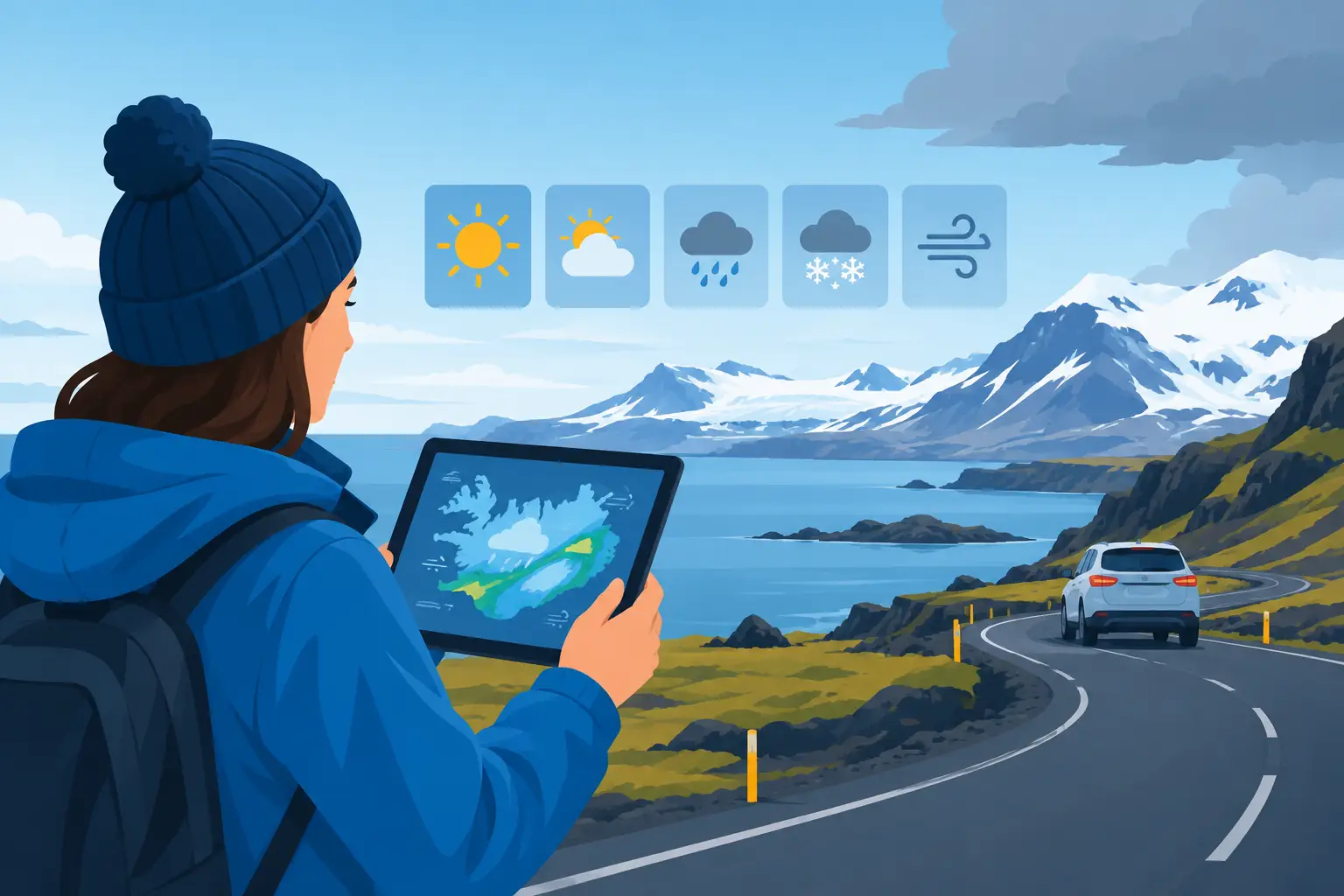
Wind is the factor travelers should take seriously. Icelandic weather can change quickly, and exposed campsites can be gusty even in summer. A well-pitched ground tent needs the correct stakes, properly tensioned guy lines, and thoughtful placement. Pitching one in strong wind is possible, but it is rarely fun.
Rooftop tents avoid the problem of tent stakes and wet soil, yet they are not invincible. Always close the tent properly before driving, park as level as possible, and follow the rental provider’s instructions about wind and use. If conditions are severe, choose a sheltered campsite and use good judgment rather than forcing an overnight setup.
Rain brings another trade-off. A wet ground tent often has to be packed wet, then dried as soon as you have the opportunity. Rooftop tents can also be damp when closed, especially after rain or morning condensation. The difference is that you do not have to fold a wet tent into your luggage or load muddy gear into the cabin.
In colder shoulder-season conditions, the decision is more personal. Travelers who are comfortable camping with the right sleeping system can enjoy both options, but a rooftop tent’s quick setup and raised bed are appealing when daylight is limited and the temperature drops. If warmth and low effort are your priorities, consider a sleep-in-the-back camper setup as well. It removes the ladder and gives you a sheltered sleeping space inside the vehicle.
Mobility: your route should decide
If you plan to change campsites most nights, a rooftop tent is usually the better fit. It supports a moving road trip: one night near the south coast, another near Mývatn, then onward when the forecast changes or a new plan sounds better. The routine stays consistent wherever you stop.
If you want a slow base-camp trip, a ground tent deserves more consideration. Staying in one region for several nights means you can pitch once, leave your camp organized, and use the car for day trips. That can be convenient around areas with several hikes, beaches, or geothermal sites nearby.
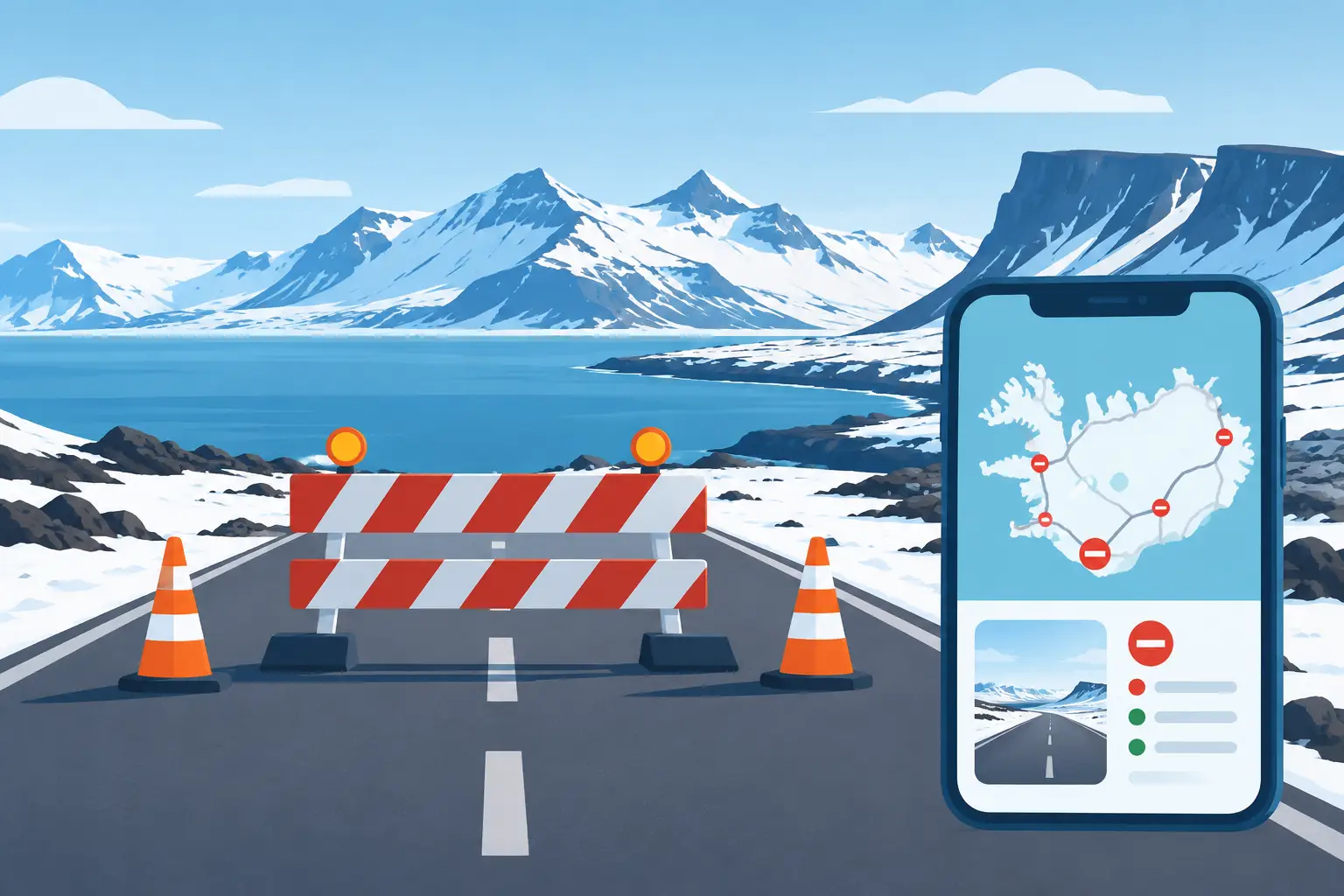
For Highlands travel and F-roads, the vehicle matters more than the tent type. Check road conditions, weather warnings, river-crossing guidance, and the rules for the specific vehicle you rent. A tent does not make a route suitable. Drive within your experience and stay on marked roads and approved tracks.
The cost question is bigger than the tent
At first glance, a basic ground tent may seem cheaper. Look at the full trip cost before deciding. A ground setup may require checked baggage, equipment rental, a larger car for storage, or gear purchases you will not use again. It also takes time to set up and break down, which has value when your vacation days are limited.
A rooftop tent vehicle can cost more than a standard rental car, but it combines transport and accommodation in one package. It gives you the freedom to skip fixed nightly lodging while keeping your gear organized and your route flexible. Campsite fees still apply, and you should budget for fuel, food, and weather-appropriate clothing either way.
Choose the setup that matches your trip
Choose a rooftop tent if you are a couple or solo traveler moving regularly, want to pack light, and prefer a quick, repeatable camp routine. It is especially useful when you want your 4×4, sleeping setup, and camping equipment working as one simple system.
Choose a ground tent if you are traveling with a larger group, already own reliable camping equipment, or plan to stay at one campsite for several nights. It gives you more freedom to use the car after camp is set, but requires more space, setup time, and attention to the ground and weather.
There is no prize for choosing the most rugged-looking setup. Pick the one that lets you spend less time wrestling with gear and more time following the road, watching the forecast, and stopping when Iceland gives you a reason to stay.