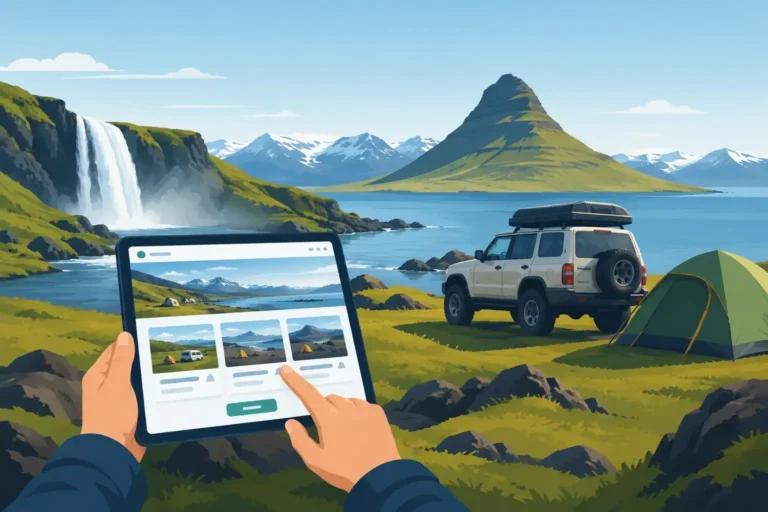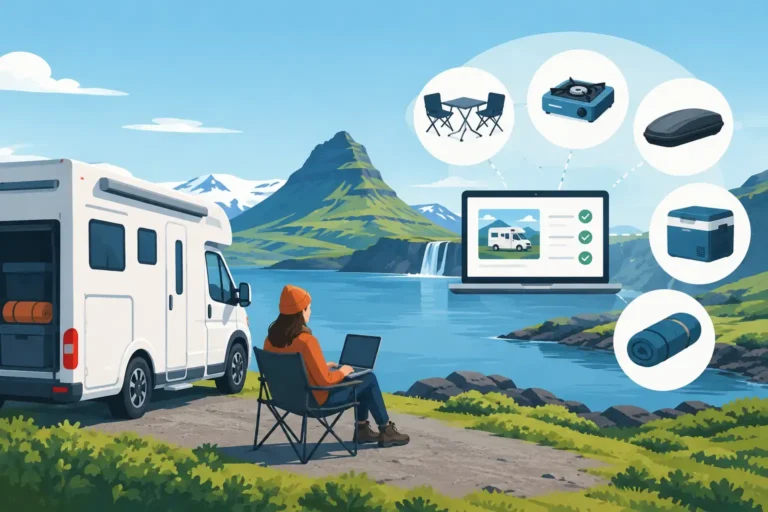
A Dacia Duster sleeping platform is one of the simplest ways to turn a 4×4 road-trip vehicle into a place to sleep. For the right travelers, it means fewer hotel check-ins, more flexibility when the weather changes, and a compact base for exploring Iceland. But it is not the same as a full campervan, and it is not automatically the best setup for every route, season, or travel style.
The practical question is not whether you can sleep in a Duster. It is whether sleeping inside one will give you the comfort, storage, and freedom you actually want after a long day driving through wind, rain, gravel roads, and big landscapes.
What a Dacia Duster sleeping platform does well
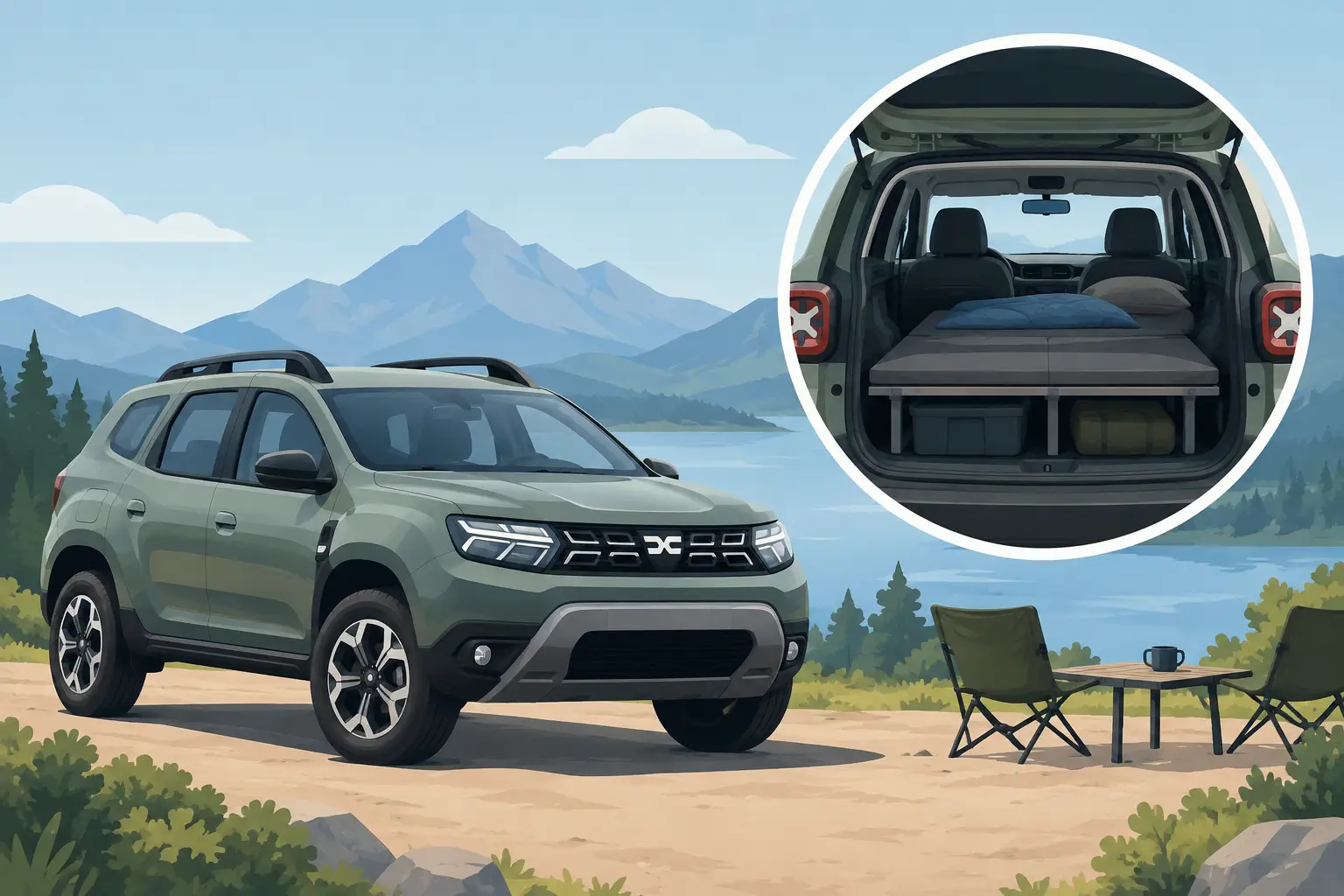
A sleeping platform creates a flat bed area inside the vehicle, usually with the rear seats folded or adapted to form a level surface. Instead of pitching a tent outside, you park at a campsite, set up your bedding, and sleep inside the car. It is a straightforward arrangement that works especially well for solo travelers and couples who pack light.
Its biggest advantage is simplicity. When rain arrives sideways or the wind picks up late at night, you are already under cover. There are no tent poles to manage, no wet fabric to pack away, and no need to find a perfectly sheltered patch of ground. Arrive, organize your gear, and settle in.
That matters in Iceland. Summer weather can change quickly, even on a short drive between waterfalls. A dry, enclosed sleeping space can make an overnight stop feel much easier, particularly for first-time campers who want adventure without turning every evening into a campsite project.
A Duster is also smaller and easier to drive than a large motorhome. It feels more like a normal car on paved roads, fits comfortably in parking areas, and offers the ground clearance and 4×4 capability that independent travelers look for when planning routes beyond the main Ring Road. Road access still depends on conditions, season, river crossings, and official regulations, but a compact 4×4 gives you more options than a standard two-wheel-drive rental.
The trade-off: your bed and luggage share the same space
A Dacia Duster sleeping platform is practical because it uses the car you are already driving. Its limitation is equally obvious: the cabin is not a separate bedroom.
Once the bed is made, the space available for suitcases, food, jackets, wet hiking boots, and camera equipment becomes limited. Two people can make it work well, but organization matters. Soft bags are easier to move than hard-shell luggage. Packing cubes, a small food box, and a simple routine for storing shoes make a noticeable difference.
Height is another consideration. You can lie down comfortably on a properly designed platform, but you cannot stand up to get dressed or spend a rainy evening sitting around inside with much room to spare. Think of it as a secure place to sleep rather than an indoor living area.
This setup is best for travelers who plan to be outside most of the day, use campsites for cooking and facilities, and want an uncomplicated place to rest at night. If your ideal evening involves cooking indoors, spreading out gear, or waiting out heavy rain in comfort, a larger camper may suit you better.
Who will be comfortable sleeping inside a Duster?
It depends on your expectations more than your camping experience. A couple traveling with one bag each, a solo photographer carrying outdoor gear, or friends taking a short summer road trip can enjoy a sleep-in-the-back setup. Travelers who prefer minimalist packing often find it surprisingly comfortable.
It may feel cramped if you are tall, traveling with several large suitcases, bringing bulky sports equipment, or planning a long trip with many rainy days. Before choosing any vehicle, check the stated bed dimensions and consider how you normally sleep. A few inches can matter when you are sharing a compact sleeping area for a week or more.
Sleeping platform vs. rooftop tent in Iceland
Both options combine transport and accommodation, but they create different kinds of trips.
A sleeping platform keeps you inside the vehicle. This is fast, discreet at a campsite, and reassuring in wet or windy weather. It also avoids climbing a ladder after a long hike. The downside is that your storage space shrinks as soon as the bed is set up.
A rooftop tent gives you more room inside the Duster for bags, food, and camping equipment. It also creates a more traditional camping feel, with a raised sleeping space and open views when conditions are calm. For many couples, that separation between sleeping upstairs and storing gear below makes daily life easier.
However, a rooftop tent takes a little longer to open and close, and strong wind deserves respect. Iceland’s weather is not a reason to avoid rooftop camping, but it is a reason to use campsites wisely, park with the wind in mind, and follow the setup instructions carefully. If the forecast is rough, a sleep-in-the-back vehicle can feel like the lower-effort choice.
There is no universal winner. Choose the sleeping platform if you value fast setup, enclosed sleeping, and traveling light. Choose a rooftop tent if you want more usable interior storage and enjoy a more open camping experience.
How to make a Dacia Duster sleeping platform work better
A compact sleeping vehicle rewards simple habits. The less time you spend searching for gear at night, the more enjoyable the setup becomes.
Start by keeping only nighttime essentials accessible: sleeping bags or duvets, pillows, a headlamp, water, warm layers, and phone charging cables. Put everything else in designated bags or boxes. You do not want to unload half the car in the rain just to find your toothbrush.
Ventilation matters as well. Two people sleeping in a small enclosed space create condensation, especially when temperatures drop. Use the vehicle’s approved ventilation options and avoid sealing the cabin completely. A little airflow helps keep windows clearer and bedding drier by morning.
Warm bedding is more useful than trying to make the vehicle itself warm. Icelandic summer nights can still be cold, and the shoulder seasons are colder again. Bring or use a sleeping system suited to the forecast, wear dry base layers to bed, and keep a warm hat nearby. Never rely on running the engine overnight for heat.
Wet gear needs its own plan. Shake off muddy boots before putting them in the vehicle, keep rain jackets together, and use campsite drying rooms when available. A sleeping platform stays much more comfortable when the bed is not competing with damp clothes and hiking gear.
Where can you sleep in Iceland?
A car bed does not mean you can stop anywhere for the night. Iceland has rules around overnight stays and camping, and the responsible choice is to use designated campsites unless you have explicit permission from a landowner. This protects fragile landscapes, respects local communities, and gives you access to bathrooms, showers, kitchens, and often sheltered common areas.
Campsites also make daily travel easier. You can charge devices, refill water, prepare food, and get local advice about road conditions. In busy summer periods, arriving before late evening gives you more time to settle in without rushing.
Do not confuse a scenic roadside pullout with an overnight location. It may be fine for a photo stop, but it is not automatically a place to sleep. Keep it simple: drive during the day, camp where camping is allowed, and leave each place as you found it.
Is it suitable for F-roads?
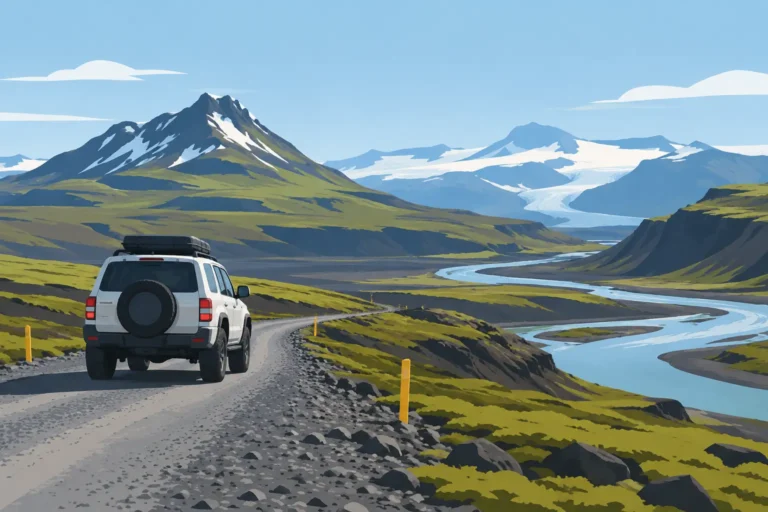
A Dacia Duster 4×4 can be a practical choice for eligible F-roads, but the sleeping platform itself does not change what roads are appropriate. Highland travel depends on the specific vehicle, road conditions, opening dates, weather, driver experience, and rental terms.
F-roads can involve rough surfaces, steep sections, sudden weather, and river crossings. Never treat 4×4 capability as a guarantee. Check current official road information before setting out, follow the vehicle provider’s rules, and turn back when conditions are beyond your confidence or the vehicle’s limits.
For many travelers, the best use of a Duster sleeping setup is flexibility rather than extreme driving. Spend a day exploring a quieter gravel route or an accessible Highland area, then return to a campsite with a dry bed ready. That is real freedom without unnecessary risk.
A practical fit for independent travelers
A Dacia Duster sleeping platform makes sense when you want a capable, compact 4×4 and do not need the indoor space of a campervan. It keeps the trip focused on the road, the trail, the hot spring, and the next view rather than hotel schedules and daily packing.
At Black Sheep Campers, the idea is simple: choose a setup that matches how you travel, collect it on your schedule, and keep moving at your own pace. No queues. No waiting. No need to overcomplicate a road trip.
Pack light, use campsites, respect the weather, and leave room in the plan for the places you did not expect to stop. Iceland is better when you can change direction without changing your whole trip.